Shifting Perspectives: Why Fewer Americans See Higher Education as 'Very Important'
Understanding the Shifting Sands of Educational Value
The landscape of higher education in the United States appears to be undergoing a significant perceptual shift. According to a report highlighted by Inside Higher Ed, only three in ten Americans now view higher education as 'very important.' This finding, if it represents a trend, invites a deeper look into the factors influencing how students, parents, and the broader public assess the value and relevance of a college degree in 2026.
For decades, a college education was often seen as the clearest path to upward mobility and a stable career. While its benefits remain substantial for many, this recent perspective suggests a growing complexity in how its importance is weighed against other considerations. Understanding these evolving views is crucial for educators, policymakers, and families navigating future academic and professional choices.
Factors Influencing Perceptions of Higher Education's Value
Several intertwined factors likely contribute to the reported shift in public perception. These often revolve around the perceived return on investment, the availability of alternative pathways, and the evolving nature of the job market.
- Cost and Affordability: The rising cost of tuition and associated expenses is a frequently cited concern. Student loan debt has become a significant burden for many graduates, prompting questions about whether the financial outlay always justifies the eventual career and earning potential. Families are increasingly scrutinizing the sticker price against the long-term financial implications.
- Alternative Pathways to Success: The emphasis on vocational training, trade schools, apprenticeships, and direct-to-workforce programs has grown. Many industries now offer competitive salaries and fulfilling careers that do not necessarily require a four-year degree, providing viable alternatives that are often less expensive and time-consuming.
- Changing Job Market Demands: While many employers still value a college degree, there's also a growing recognition of skills-based hiring. Employers are increasingly looking for specific competencies, practical experience, and adaptability, which can sometimes be gained outside traditional university settings. The rapid pace of technological change also means that some specialized skills can become outdated quickly, leading some to question the long-term utility of a broad degree.
- Perceived Relevance and Outcomes: Some individuals may question whether all degree programs adequately prepare students for the demands of the modern workforce. Discussions around graduate employability, underemployment, and the direct applicability of academic studies to specific job roles are becoming more prominent.
These factors collectively shape how individuals and families weigh their educational options, leading to a more nuanced assessment of what constitutes 'very important' in their educational journeys.
Implications for Students, Parents, and Educators
This reported shift in perception carries significant implications across the educational ecosystem:

For Students: Strategic Planning is Key
Students today are encouraged to be more strategic in their educational planning. This might involve:
- Exploring Diverse Options: Researching not just universities, but also community colleges, technical schools, certification programs, and apprenticeships that align with their career goals.
- Considering ROI: Carefully evaluating the cost of a program against its potential career outcomes and earning potential. This includes looking at specific majors and institutions.
- Developing In-Demand Skills: Focusing on acquiring skills that are highly valued in the job market, whether through formal education, internships, or self-directed learning.
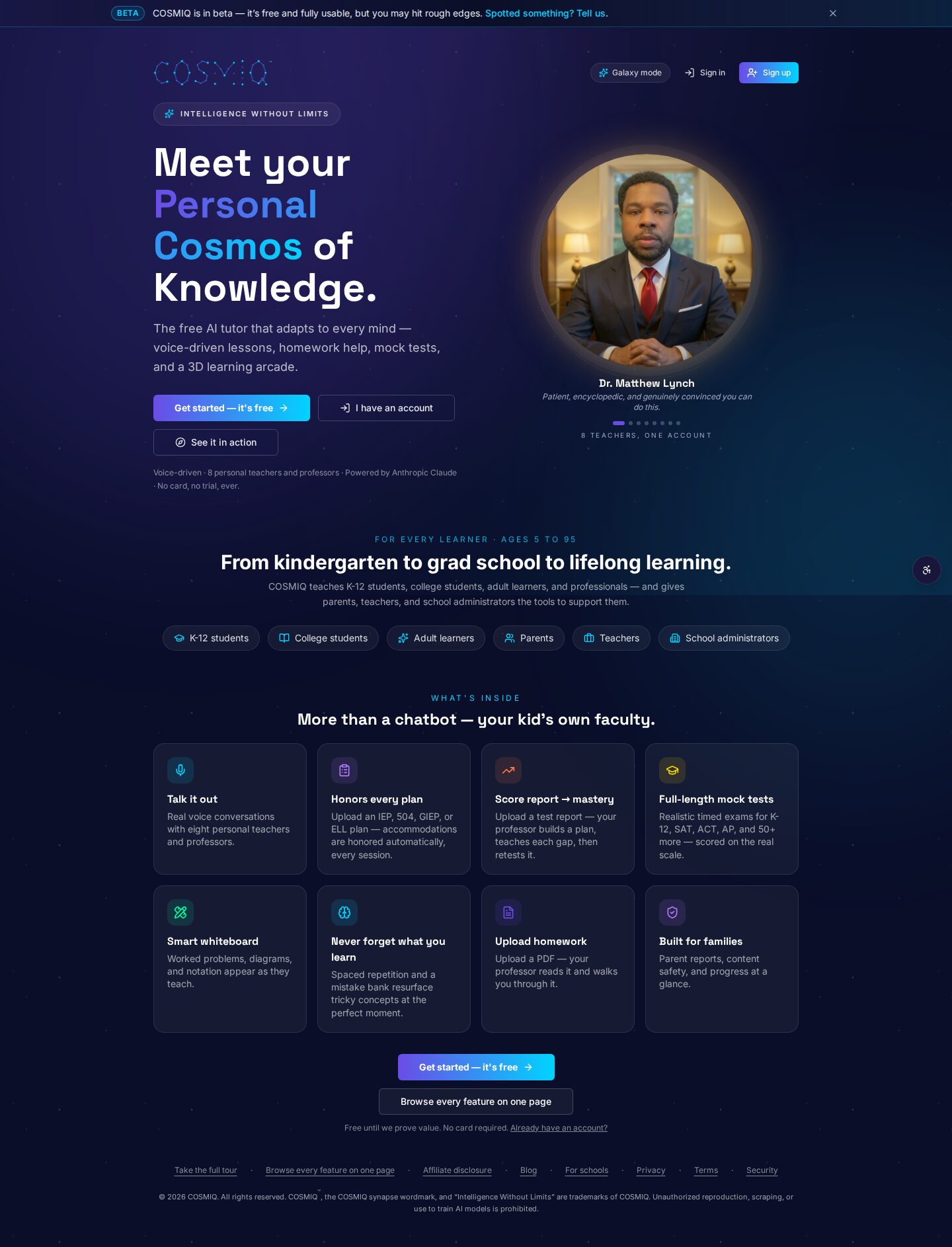
For K-12 students exploring their options, platforms like COSMIQ offer free voice-driven AI tutoring across subjects, helping build foundational knowledge and critical thinking skills that are valuable regardless of their chosen post-secondary path. Additionally, tools like the exam prep directory can support those preparing for standardized tests, which can be a gateway to various educational opportunities.
For Parents: Guidance and Support
Parents play a crucial role in guiding their children through these complex decisions. This involves:
- Open Conversations: Discussing career aspirations, financial realities, and different educational pathways with their children.
- Researching Alternatives: Helping children explore all viable post-secondary options, not just traditional four-year colleges.
- Financial Planning: Engaging in early and realistic financial planning for higher education, understanding the true costs and potential debt implications.
For Educators: Adapting to Evolving Needs
Educational institutions and educators are also challenged to adapt:
- Demonstrating Value: Colleges and universities may need to more clearly articulate the tangible benefits and career readiness outcomes of their programs.
- Curriculum Development: Ensuring curricula remain relevant to the demands of the modern workforce and equip students with both academic knowledge and practical skills.
- Flexible Pathways: Exploring more flexible and affordable program structures, including hybrid models, shorter certifications, and stronger connections with industry partners.
Looking Ahead: A More Diverse Educational Landscape
The finding that fewer Americans see higher education as 'very important' doesn't necessarily diminish its value, but rather suggests a maturation in how society perceives and utilizes educational pathways. It points towards a future where a broader range of post-secondary options are recognized and valued for their unique contributions to individual success and societal progress.
This evolving perspective encourages a more thoughtful, individualized approach to education, where students and families carefully weigh their options against personal goals, financial considerations, and career aspirations. The conversation is no longer just about whether to pursue higher education, but what kind of education best serves an individual's unique journey in a dynamic world.
Learn anything, free.
COSMIQ is a free, voice-driven AI tutor for every learner. No credit card, ever.
Start learning free →