Strengthening School Cyber Resilience: Why Data is Your First Line of Defense
Schools today operate in an increasingly interconnected digital world. From online learning platforms and administrative systems to student information databases, a vast amount of sensitive data is created, stored, and shared daily. This digital reliance, while offering immense educational benefits, also presents significant cybersecurity challenges. For schools, building robust cyber resilience isn't just about preventing attacks; it's about ensuring continuity, protecting privacy, and maintaining trust. And at the heart of this resilience lies a crucial, often overlooked, starting point: the data layer.
Many cybersecurity strategies focus on network perimeters, firewalls, and endpoint protection – all vital components. However, even the most sophisticated defenses can be breached. When they are, the real damage occurs at the data layer. By understanding that cyber resilience begins with securing your data, schools can develop more effective, proactive strategies that safeguard their most valuable assets.
Understanding the Data Layer in Schools
What exactly is the data layer in a school context? It encompasses all the information that schools collect, process, and store. This includes:
- Student Data: Personal identifiable information (PII), academic records, health information, behavioral notes, attendance, and special education plans.
- Staff Data: PII, payroll information, employment records, performance reviews, and professional development history.
- Financial Data: Budget information, payment details, grant applications, and vendor contracts.
- Operational Data: Network configurations, system logs, facility access records, and communication archives.
- Intellectual Property: Curriculum materials, research data, and proprietary software developed by the institution.
Each piece of this data holds value and, if compromised, can lead to severe consequences, including identity theft, financial fraud, reputational damage, and disruption of educational services.
Why Data-Centric Security is Critical for Schools
Shifting the focus to the data layer offers several compelling advantages for school cyber resilience:
1. Protecting the Crown Jewels
Ultimately, cyberattacks aim to access, alter, or destroy data. By focusing on the data itself, schools are directly protecting what attackers are after. This means implementing controls that secure data regardless of where it resides – on servers, in the cloud, on personal devices, or in transit.
2. Minimizing Impact Post-Breach
No security system is foolproof. A data-centric approach acknowledges this reality and builds layers of protection around the data itself. Even if an attacker bypasses perimeter defenses, robust data security measures (like encryption, access controls, and data loss prevention) can limit the damage and prevent sensitive information from being exploited.
3. Ensuring Regulatory Compliance
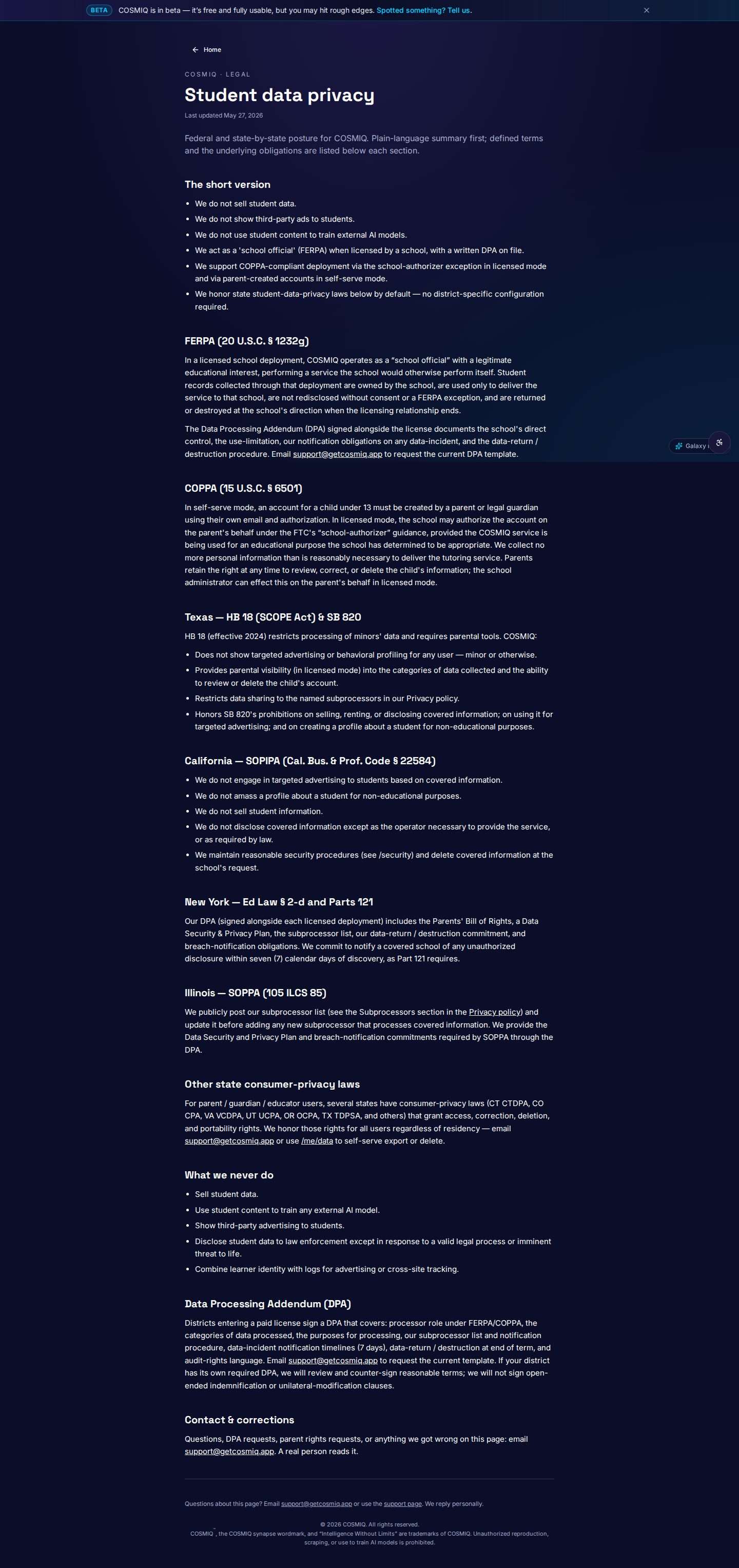
Schools are often subject to strict data privacy regulations, such as FERPA in the United States or GDPR in Europe, which mandate the protection of student and staff information. A data-centric strategy helps schools meet these compliance requirements by ensuring data is handled, stored, and accessed appropriately.

4. Building Trust with Stakeholders
Parents entrust schools with their children's most personal information. Teachers and staff rely on secure systems for their professional lives. Demonstrating a clear commitment to data protection builds and maintains trust within the entire school community, which is essential for a healthy learning environment.
Practical Steps for Data-Layer Cyber Resilience
So, how can schools strengthen their cyber resilience by focusing on the data layer?
- Data Inventory and Classification: Understand what data you have, where it's stored, and how sensitive it is. Classify data (e.g., highly sensitive, restricted, public) to apply appropriate security controls.
- Access Control and Least Privilege: Implement strict access controls. Ensure that only authorized individuals and systems can access specific data, and only to the extent necessary for their role (the principle of "least privilege"). Regularly review and update access permissions.
- Encryption: Encrypt sensitive data both at rest (when stored) and in transit (when being moved across networks). This renders data unreadable to unauthorized parties even if they gain access to storage or intercept communications.
- Data Loss Prevention (DLP): Implement DLP solutions to monitor and prevent sensitive data from leaving the school's control, whether accidentally or maliciously. This can include blocking emails with sensitive attachments or preventing data from being copied to unauthorized devices.
- Regular Backups and Recovery Plans: Regularly back up all critical data and store backups securely, ideally off-site and offline. Develop and regularly test a comprehensive data recovery plan to ensure quick restoration of services after a data loss event.
- Data Minimization and Retention Policies: Only collect the data you truly need, and don't keep it longer than necessary. Implement clear data retention policies and securely dispose of data when it's no longer required.
- Employee Training and Awareness: Educate all staff and students about data security best practices. Phishing awareness, strong password hygiene, and understanding data handling protocols are crucial for minimizing human error, which is often a significant vulnerability.
- Vendor Security Assessments: When using third-party software or cloud services, conduct thorough security assessments of vendors to ensure their data protection practices align with your school's standards and regulatory requirements.
By prioritizing the security of the data layer, schools can build a more robust and adaptive cyber resilience strategy. It’s a proactive approach that recognizes the ultimate target of cyberattacks and places protection where it matters most, safeguarding student privacy, maintaining operational continuity, and fostering a secure digital learning environment for 2026 and beyond.
Learn anything, free.
COSMIQ is a free, voice-driven AI tutor for every learner. No credit card, ever.
Start learning free →