Supplemental Services for Title I Schools, Delivered at Scale

In the world of education, not all schools are created equal. Some are well-resourced, while others struggle with funding and support. Title I funding was designed to address this disparity, providing additional resources to schools serving low-income students. But what does that really mean for students? How can we ensure that Title I-eligible AI tutoring and other supplemental services effectively reach those who need them the most?
Understanding Title I Schools
Title I schools are those that receive federal funding to support students from low-income families. The goal is clear: to close the achievement gap between those students and their peers. This funding can provide a range of resources, from hiring additional teachers to implementing specialized programs. But here's the catch: simply having the funds doesn’t guarantee success.
Many Title I schools face unique challenges, including higher student-to-teacher ratios, limited access to technology, and a lack of parental engagement. These factors can impede the effectiveness of educational programs. That’s why Title I supplemental services are crucial—they help fill the gaps that traditional funding might miss. But how do schools effectively deliver these services at scale?
To truly understand the landscape, consider a Title I school in a low-income neighborhood. Maybe it has 30 kids in a classroom with one teacher—a daunting challenge for any educator. The teacher may not have enough time to give individual attention to every student. This can lead to some kids falling behind, while others, who might be more proactive or have strong family support, manage to keep up. This is where resources and strategies specifically tailored for Title I schools come into play.
Furthermore, Title I schools often experience high turnover rates among teachers. This instability can disrupt the learning process. A consistent and supportive educational environment is key for students, especially for those who are already facing numerous challenges at home. With Title I funding, schools can stabilize their workforce by offering competitive salaries and ongoing professional development, which helps retain quality educators.
The Importance of Supplemental Services
Supplemental services encompass a variety of educational supports designed to enhance student learning. These can include after-school tutoring programs, mentoring opportunities, and even access to counseling services. For Title I schools, these services aren’t just beneficial—they're often essential.
Imagine a school where students struggle with math. Without additional support, these students may never catch up to their grade level. Title I tutoring can make a significant difference. With targeted, individualized instruction, students can receive the help they need to grasp difficult concepts. This isn’t just about improving grades; it’s about increasing confidence and fostering a love for learning.
Consider the case of a fifth-grade student named Maria. Maria has always struggled with math and, despite her hard work, finds herself falling behind her peers. Thanks to Title I supplemental services, she receives one-on-one tutoring in math after school. With this dedicated support, Maria not only improves her grades but also develops a newfound interest in the subject. This transformation exemplifies how supplemental services can turn challenges into opportunities.
Another critical component of supplemental services is providing emotional support. Many students in Title I schools deal with issues beyond academics, such as poverty, family instability, or mental health challenges. Counseling services can be a lifeline, helping students navigate these obstacles. Providing a safe space for them to express their feelings and receive guidance is invaluable. When students feel emotionally secure, they’re more likely to engage in their education and take advantage of the resources available to them.
AI Tutoring: A New Frontier
AI tutoring is rapidly becoming an integral part of the educational landscape. For Title I-eligible AI tutoring, the focus is on providing personalized, scalable solutions to help students succeed. Unlike traditional methods, AI can analyze individual learning patterns and tailor lessons accordingly. This is especially beneficial in Title I schools, where resources are often stretched thin.

Consider a scenario where a student struggles with reading comprehension. An AI tutoring program can identify specific weaknesses, offer targeted exercises, and track progress in real-time. The beauty of AI is its ability to adapt; if a student is struggling with a particular concept, the program can shift gears and focus on that area until mastery is achieved. This level of customization is something traditional tutoring may struggle to provide.
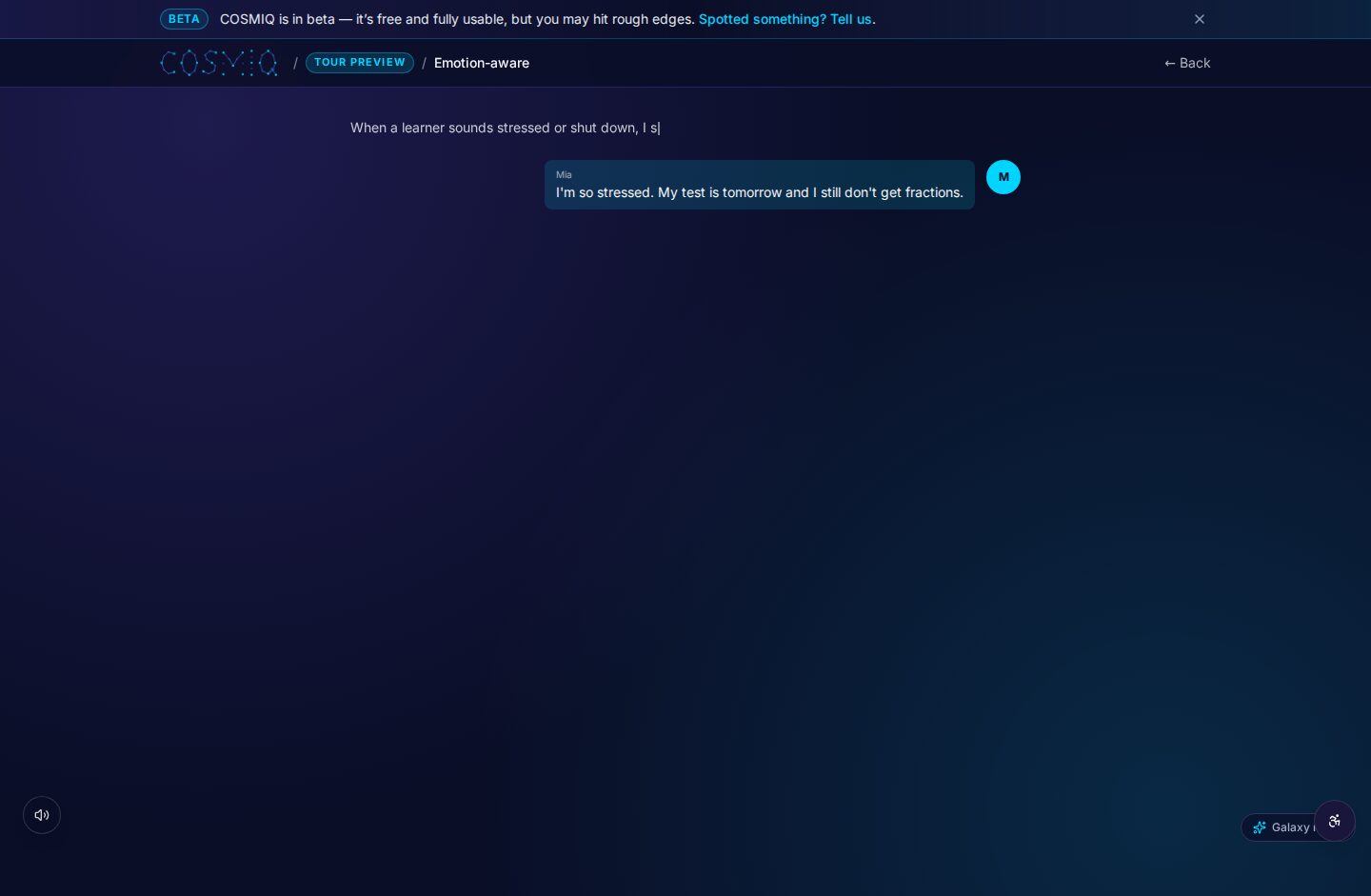
An excellent example of this technology in action is a program that integrates AI with real-time feedback. Imagine the impact of an AI system that recognizes when a student is frustrated or confused and adjusts the lesson plan on the fly. For instance, if a student consistently answers questions about fractions incorrectly, the AI could introduce visual aids or interactive games designed specifically to strengthen that understanding. This dynamic approach allows students to learn at their own pace and in a way that suits their individual learning styles.
However, it's crucial to remember that while AI can enhance learning, it doesn't replace the need for human interaction. Teachers play an irreplaceable role in education, guiding students, building relationships, and providing mentorship. The ideal educational model will incorporate both AI tutoring and traditional teaching methods, creating a balanced approach that maximizes learning opportunities.
Challenges of Implementing Supplemental Services
Implementing supplemental services in Title I schools isn’t without its hurdles. One significant challenge is funding. While Title I supplemental services are designed to support struggling students, schools often find themselves competing for limited resources. This competition can lead to a situation where some students receive support, while others fall through the cracks.
Additionally, there's the challenge of training staff to effectively utilize these supplemental services. Teachers need to be equipped not just to deliver content, but to understand the specific needs of their students. Professional development becomes essential. Without it, even the best-designed programs can falter.
Moreover, the integration of AI tutoring into existing curricula poses another layer of complexity. Schools must not only invest in the technology but also in training educators on how to use it effectively. This involves a cultural shift within the school, where teachers collaborate with data and technology to enhance their teaching strategies. Without proper support and training, even the most promising AI solutions may not be utilized to their full potential.
Another hurdle is ensuring that students and their families are aware of the available supplemental services. Schools need to prioritize communication, using multiple channels to reach parents—such as newsletters, social media, and community events. If families don’t know what resources are available, they won’t take advantage of them. Involving the community in the conversation about supplemental services is essential for maximizing their reach and effectiveness.
Parent and Community Engagement
You can have the best supplemental services in place, but if parents and the community aren’t engaged, you’re likely to see limited success. Building strong relationships with parents is crucial. They need to understand how Title I supplemental services can benefit their children and be active participants in the educational process.
Schools can facilitate this by hosting workshops, informational sessions, and open houses that explain the benefits of these programs. When parents feel invested in their children’s education, they’re more likely to support their learning at home. This can create a powerful partnership that enhances the impact of supplemental services.
For example, consider a school that organizes monthly community forums where parents can meet with teachers, counselors, and administrators. These forums provide a platform for parents to voice their concerns, ask questions, and learn about the resources available to them. Schools that foster open lines of communication and actively involve parents can create a supportive environment that extends beyond the classroom.
Additionally, engaging community leaders can amplify the impact of Title I supplemental services. Schools can partner with local businesses, organizations, and non-profits to create mentorship programs, internships, or tutoring opportunities. When the community rallies around the school, it sends a message to students that their education is a priority—this can motivate them to take their learning seriously and strive for success.
Measuring Success and Iteration
To ensure that supplemental services are effective, schools must establish clear metrics for success. This means setting measurable goals for student achievement and regularly assessing the impact of the programs in place. For instance, if a school implements Title I tutoring, it should track not only grades but also student engagement and confidence levels.
Feedback mechanisms are essential. Schools can conduct surveys, hold focus groups, or analyze performance data to understand what’s working and what isn’t. If a particular strategy isn’t leading to desired outcomes, it’s crucial to iterate—adjusting the approach based on real-world data. This kind of responsiveness can make all the difference in maximizing the effectiveness of supplemental services.
Moreover, it’s not enough to just measure academic performance; schools should also consider the social-emotional growth of students. Programs that foster resilience, self-esteem, and interpersonal skills can be equally important. Surveys that evaluate student feelings about school, relationships with peers, and overall well-being can provide invaluable insights.
Regularly reviewing and revising supplemental services based on this feedback can lead to continuous improvement. Schools should embrace an iterative mindset, constantly evaluating and refining their approaches. This means being open to trying new methods, discarding what doesn’t work, and investing in what does.
Looking Ahead: The Future of Title I Services
As we look to the future, the potential for Title I supplemental services is vast. Technology, including AI and online learning platforms, offers exciting possibilities for scaling these services. Imagine a world where every Title I school has access to high-quality, personalized tutoring for every student, regardless of their background.
However, this vision can only be realized through thoughtful implementation, ongoing evaluation, and community engagement. Schools must remain committed to evolving their approaches, ensuring that they meet the diverse needs of their students. With the right strategies in place, Title I schools can transform into thriving educational environments.
Looking at trends in education, we can see a shift towards blended learning models that combine in-person instruction with online resources. This flexibility can be particularly advantageous for Title I schools, allowing them to customize learning experiences based on individual student needs. By integrating technology thoughtfully, schools can create a more inclusive educational environment.
Collaboration among educators, policymakers, and community members will be essential to sustain momentum. As they advocate for sustained funding and innovative solutions, there’s an opportunity to redefine what education looks like in Title I schools. The future isn’t just about catching up; it’s about thriving.
In the end, the effectiveness of Title I supplemental services hinges on our collective commitment to equity in education. We have a responsibility to ensure that every student, regardless of their circumstances, has access to the resources they need to succeed. By prioritizing data-driven decisions, community involvement, and innovative solutions, we can make a meaningful impact on the lives of countless students.
Learn anything, free.
COSMIQ is a free, voice-driven AI tutor for every learner. No credit card, ever.
Start learning free →