Supporting ELL Students in Advanced Placement and International Baccalaureate Programs

Understanding the Challenges for ELL Students
Teaching English Language Learners (ELL) comes with its own unique set of challenges. For students who are non-native speakers, the added rigor of Advanced Placement (AP) and International Baccalaureate (IB) programs can be overwhelming. These programs are designed for high-achieving students and typically demand a high level of language proficiency. So, how can educators best support ELL students in these advanced environments?
First, it's crucial to recognize that ELL students may be fluent in their native languages but struggle with the academic language required for advanced coursework. They often face difficulties in reading comprehension, writing assignments, and participating in discussions. This doesn’t mean they lack intelligence or potential; it simply means they are navigating the complexities of learning in a second language. For instance, an ELL student may grasp the fundamental concepts in math but find it hard to interpret word problems that require a sophisticated understanding of the language.
Additionally, the emotional and social aspects of learning can further complicate their experience. Many ELL students may feel isolated or anxious in classes where they struggle to keep up with the language demands. They might hesitate to participate in discussions or ask questions for fear of making mistakes. This can lead to a withdrawal from the learning process, which further exacerbates their challenges. Recognizing these emotional barriers is just as important as addressing the academic ones.
Implementing Differentiated Instruction
One effective strategy for supporting ELL students in AP and IB programs is differentiated instruction. This means tailoring lessons to meet the individual needs of each student. Teachers can modify their lessons by using visual aids, graphic organizers, and sentence starters to help convey complex ideas. For example, in a history class, providing timelines or maps can help ELL students grasp the material better. Instead of overwhelming them with text-heavy lectures, teachers might present information in smaller, more manageable segments.
Beyond just modifying content, teachers should also adjust their teaching methods. Pairing verbal instructions with visual cues can greatly enhance understanding. Imagine a science class where the teacher demonstrates a lab experiment while simultaneously explaining each step verbally and through visual slides. This multi-modal approach not only aids ELL students but enriches the learning experience for all. Group work is another excellent way to foster learning; working with peers allows ELL students to practice their language skills in a more comfortable setting. It’s all about creating a supportive learning environment that encourages risk-taking.
Furthermore, establishing clear expectations and providing rubrics can demystify assignments for ELL students. When they understand what’s expected, they’re more likely to engage fully. Regular formative assessments can also serve as checkpoints to gauge understanding and adjust teaching strategies accordingly. For instance, using quick quizzes or exit tickets allows teachers to identify areas where ELL students may need additional support.
Utilizing Technology as a Resource
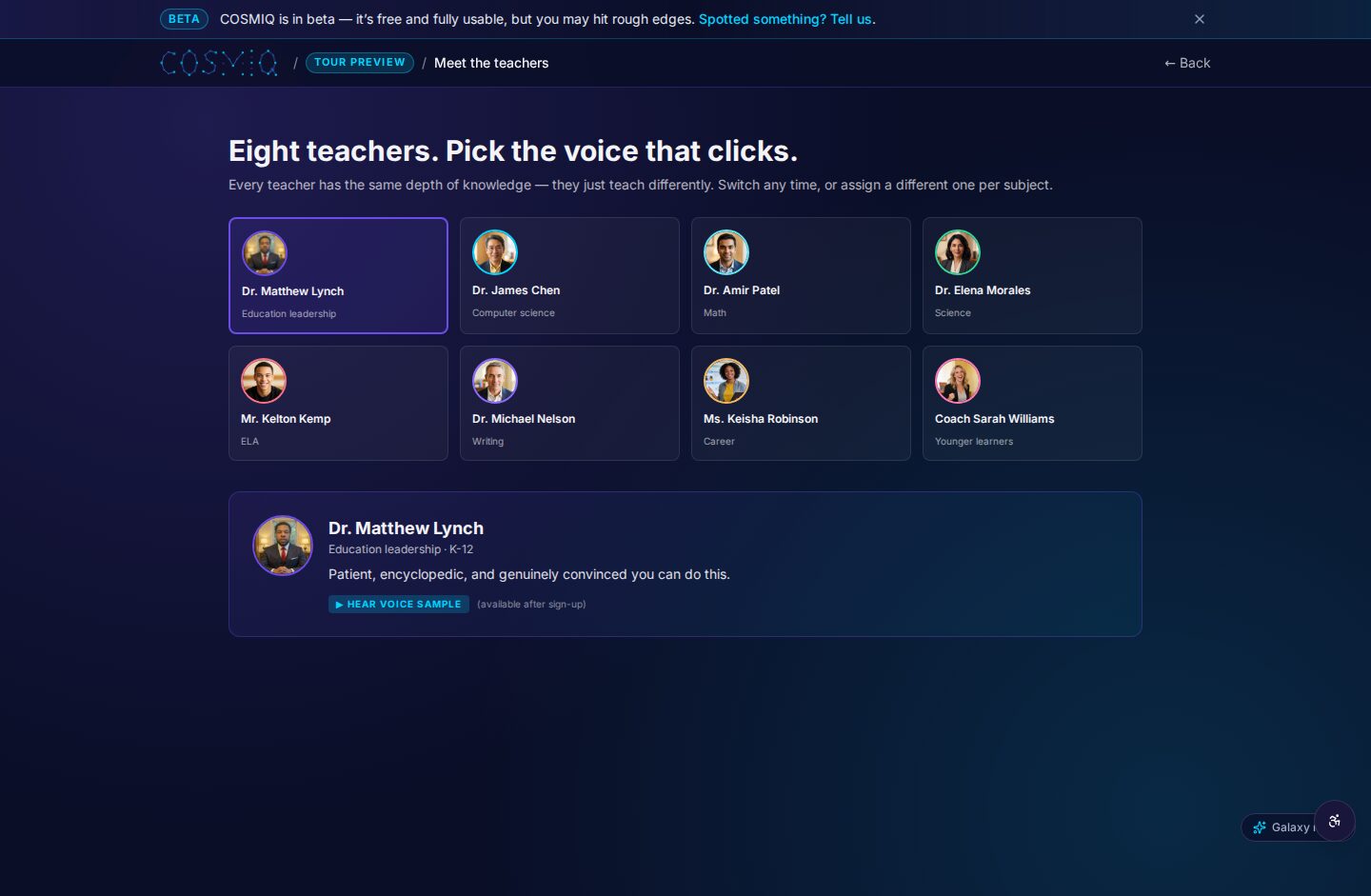
Incorporating technology can also be a game changer for ELL students. There are numerous apps and online platforms designed specifically to aid language learners. Tools like Pedagogue and Cosmiq provide resources that can facilitate language acquisition and boost academic performance. For instance, using audio recordings of lectures or discussions can help ELL students revisit complex topics at their own pace. It’s like giving them a second chance to absorb the material without the pressure of real-time processing.
Technology can also assist in breaking down language barriers. Translation tools, such as apps that convert text to audio, can make reading assignments more accessible. This offers ELL students the chance to understand content without getting bogged down by language difficulties. For example, if a student struggles with a Shakespearean play, using an app that provides a modern translation can help them engage with the text more meaningfully. By integrating these tools into the curriculum, educators can enhance engagement and comprehension.
Moreover, creating a digital library with bilingual books or resources can be incredibly beneficial. ELL students can access materials in both their native language and English, allowing them to make connections and gradually build their proficiency. Encouraging students to use language-learning platforms for additional practice outside the classroom can also foster independence and boost their confidence.
Fostering a Collaborative Learning Environment
Collaboration is key. Schools should encourage collaboration among teachers, especially those teaching AP and IB courses. This could involve regular meetings to discuss strategies for supporting ELL students, sharing resources, and analyzing student performance data. Having a cohesive support system can lead to more consistent and effective teaching approaches. Teachers from different subjects need to communicate about the specific challenges ELL students face in their respective classrooms.
It's also essential to involve ELL students in their own learning process. Encourage them to set personal goals and reflect on their progress. This not only empowers them but helps teachers tailor their instruction to better meet the students’ evolving needs. Establishing mentorship programs or peer tutoring can enhance this collaborative approach, allowing ELL students to work alongside their more proficient peers. Pairing them with students who share similar interests can create a supportive bond and foster language skills in a less intimidating setting.
Furthermore, establishing a buddy system can provide ELL students with a consistent support network. This can help them navigate social situations and academic challenges while building a sense of belonging in school. For example, an ELL student might be paired with a student who is not only proficient in English but also shares similar cultural experiences. This type of collaboration can help ease the transition into advanced coursework.
Making Cultural Connections
Cultural competency is another critical element when supporting ELL students in AP and IB programs. Understanding a student's cultural background can help educators create more meaningful lessons. Integrating diverse perspectives into the curriculum not only enriches the learning experience but also validates ELL students' backgrounds. For instance, when discussing literature in an AP English class, including works from authors of various cultures can provide relatable content for ELL students. This not only makes the material more engaging but also fosters a sense of identity and belonging.
Additionally, schools should celebrate cultural diversity through events and activities. This helps build a sense of community and belonging for ELL students. When students feel valued and recognized, they’re more likely to engage and take risks in their learning. Hosting multicultural fairs or heritage months can showcase the diverse backgrounds of students, allowing everyone to learn from each other.
Teachers can also incorporate culturally relevant examples into their lessons. For instance, a physics teacher might include examples of notable scientists from various backgrounds in their discussions. This not only broadens the curriculum but also inspires ELL students to see themselves in those roles. When they recognize that their heritage and experiences are valued, it fosters pride and motivates them to excel.
Encouraging Parents and Community Involvement
Don't underestimate the role of parents and the community. Engaging parents of ELL students can make a significant difference. Schools can offer workshops or resources in multiple languages, focusing on how parents can support their children’s academic journeys. This connection between home and school is vital. For example, providing informational sessions on how to navigate the AP or IB programs can empower parents and help them understand the coursework their children are tackling.
Community involvement can also provide additional support. Local organizations often offer programs focusing on language skills or academic enrichment. Partnering with these groups can provide ELL students with valuable resources and help them feel more connected to their community. For instance, tutoring programs in the community can help reinforce classroom learning, while cultural organizations can provide mentorship opportunities.
Moreover, schools can create volunteer opportunities where parents can contribute their skills, whether that’s in organizing events or providing assistance in classrooms. This not only strengthens ties between the school and the community but also helps parents feel more invested in their child’s education.
Continuous Professional Development for Educators
Lastly, continuous professional development is crucial for teachers working with ELL students in advanced programs. Educators should receive training on the best practices for working with language learners in rigorous academic settings. This could include workshops on culturally responsive teaching strategies, language acquisition theories, and the latest technological tools. Investing in teachers through professional development ensures they are equipped with the necessary skills to support ELL students effectively.
By investing in their teachers, schools can ensure that ELL students receive the high-quality education they deserve. An informed teacher is better equipped to support all students, making the classroom a more inclusive environment. For instance, educators who understand the stages of second language acquisition are better prepared to offer appropriate support and adjust their teaching methods accordingly.
In addition to formal training, schools can foster a culture of collaboration among staff. Regular team meetings to discuss specific ELL student needs or challenges can lead to a more cohesive approach. This could also involve peer observations, where teachers can share effective strategies and learn from one another, ultimately enhancing the educational experience for ELL students.
A Holistic Approach to Supporting ELL Students
Supporting ELL students in Advanced Placement and International Baccalaureate programs requires a multifaceted approach that combines differentiated instruction, collaboration, cultural competency, and community involvement. It's about more than just teaching a language; it's about fostering an environment where these students can thrive academically and socially.
As educators, we have the responsibility to ensure that ELL students have equal opportunities to succeed in advanced learning environments. By implementing these strategies, we can empower them to achieve their goals and contribute meaningfully to their communities. After all, every student deserves a chance to shine, and with the right support, ELL students can truly excel in AP and IB programs. Every small step we take towards inclusion and support can have a profound impact on their futures.
Related resources: tools that convert text to audio
Learn anything, free.
COSMIQ is a free, voice-driven AI tutor for every learner. No credit card, ever.
Start learning free →