Supporting English Learners with Disabilities: A Collaborative Approach for Districts
English Learners (ELs) with disabilities represent a unique and growing population within our schools, bringing incredible strengths and diverse perspectives. However, they often face a double challenge: acquiring a new language while simultaneously navigating a disability. For school districts, providing effective and equitable support for these students is not just a regulatory requirement, but a moral imperative. It demands a thoughtful, collaborative, and student-centered approach that recognizes their individual needs and potential.
Fostering Collaboration Across Departments
One of the most significant steps a school district can take is to dismantle silos between general education, English language development (ELD), and special education departments. When these teams work in isolation, ELs with disabilities can fall through the cracks, receiving fragmented support. Effective collaboration involves:
- Joint Professional Development: Offer training sessions that bring together ELD teachers, special education teachers, and general education teachers. Topics could include identifying language acquisition versus disability-related challenges, co-teaching strategies, and culturally responsive pedagogy.
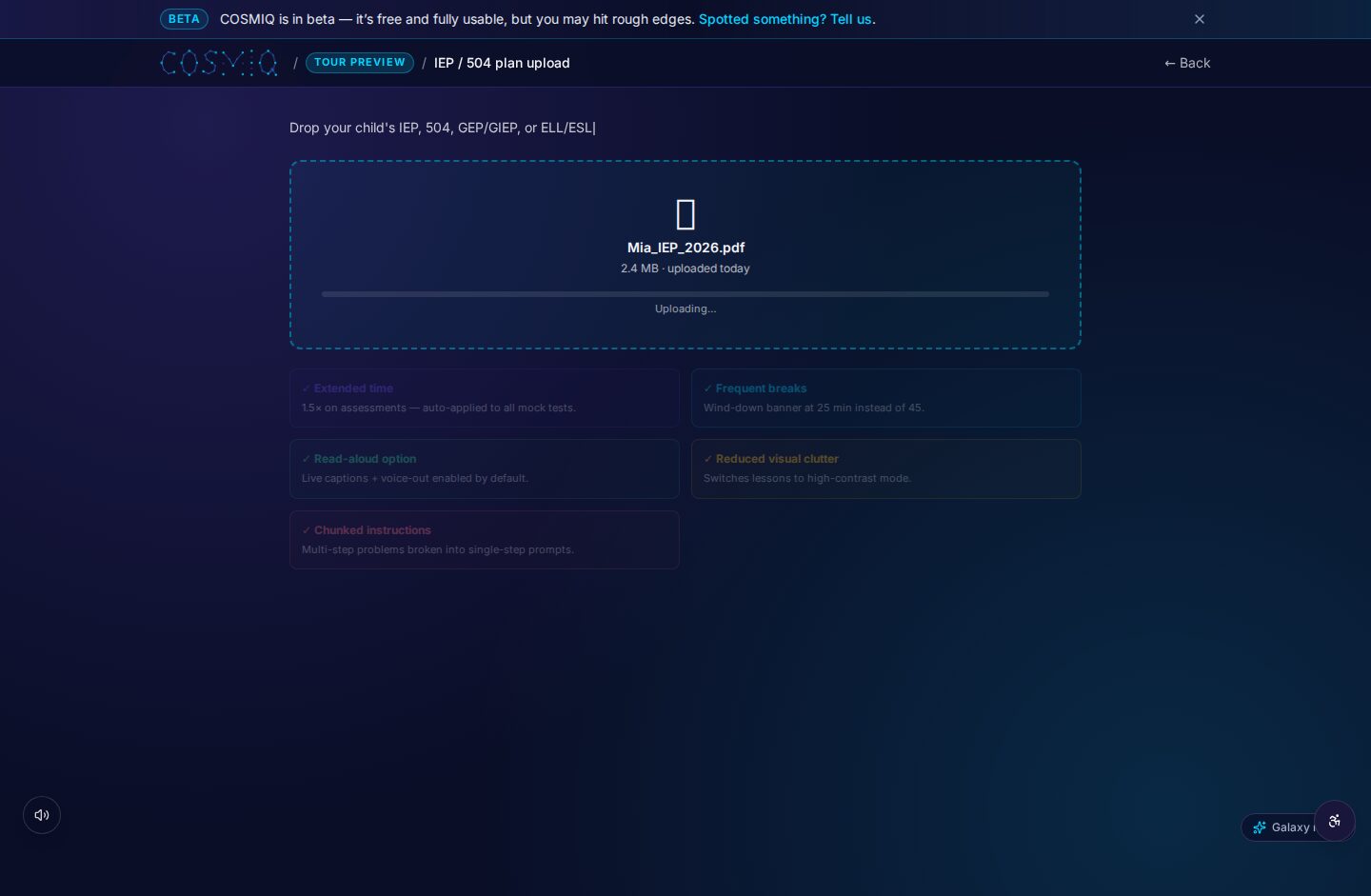
- Integrated IEP and ELD Plans: Ensure that Individualized Education Programs (IEPs) for ELs with disabilities explicitly address both their language development goals and their disability-related needs. These plans should be developed collaboratively by all relevant specialists and the family.
- Shared Resources and Expertise: Create opportunities for specialists to regularly share strategies, materials, and insights. For example, an ELD specialist might offer insights into language scaffolding techniques, while a special education teacher could advise on accommodations for a specific learning difference.
Individualized Instruction and Assessment
Every student is unique, and this is especially true for ELs with disabilities. A one-size-fits-all approach simply won't work. Districts should prioritize highly individualized instruction and assessment practices:

- Differentiated Instruction: Encourage and train educators to differentiate instruction that simultaneously supports language acquisition and addresses disability-specific needs. This might involve using visual aids, hands-on activities, simplified language, extended time, or assistive technology.
- Culturally and Linguistically Responsive Assessment: Ensure that assessment tools and procedures are appropriate for ELs, taking into account their language proficiency and cultural background. This includes using interpreters when necessary, providing accommodations, and avoiding reliance on standardized tests that may not accurately reflect their knowledge or abilities.
- Focus on Strengths: Shift the narrative from deficits to strengths. Recognize and build upon the linguistic and cultural assets that ELs bring to the classroom. Understanding a student's background can inform more effective instructional strategies.
Investing in Professional Development and Resources
District-level support is crucial for equipping educators with the knowledge and tools they need. This includes ongoing professional development and access to appropriate resources:
- Specialized Training: Provide targeted training on topics such as the intersection of language acquisition and specific disabilities (e.g., dyslexia in ELs), effective co-teaching models, and strategies for engaging families of ELs with disabilities.
- Access to Specialists: Ensure schools have access to specialists who understand the unique needs of this population, such as bilingual special education teachers, speech-language pathologists with experience in second language acquisition, and educational psychologists.
- Technology and Materials: Invest in assistive technology and culturally and linguistically appropriate instructional materials that can support both language development and address learning differences. This could include translation tools, visual dictionaries, text-to-speech software, and diverse literature.
Engaging Families as Partners
Families are a child's first teachers and invaluable partners in their education. For ELs with disabilities, family engagement is even more critical:
- Clear Communication: Provide all communications, including IEP meeting invitations and progress reports, in the family's home language. Offer professional interpreters for all meetings.
- Cultural Sensitivity: Train staff to understand and respect cultural differences in how families perceive disability, education, and communication with schools.
- Empowerment and Advocacy: Support families in understanding their rights and advocating for their children's needs. Offer workshops or connect them with community resources that can provide guidance and support.
Supporting English Learners with disabilities effectively requires a systemic, sustained commitment from school districts. By fostering collaboration, individualizing instruction, investing in professional development, and genuinely partnering with families, districts can create truly inclusive and equitable learning environments where every student has the opportunity to thrive and reach their full potential in the 2026-2027 school year and beyond.
Learn anything, free.
COSMIQ is a free, voice-driven AI tutor for every learner. No credit card, ever.
Start learning free →