Supporting Our Youngest Learners: The U.S. Department of Education's Focus on Early Childhood

The journey of learning begins long before a student steps into a traditional classroom. For many children, the critical period of development from birth through early elementary school shapes their cognitive, social, and emotional growth, setting the stage for future academic achievement and overall well-being. Recognizing this profound impact, the U.S. Department of Education has placed a significant and commendable focus on early childhood education, underscoring its commitment to nurturing our youngest learners.
This emphasis from the Department of Education is a welcome signal for parents, teachers, and communities dedicated to giving children the best possible start. It highlights the understanding that investing in early learning isn't just about preparing children for kindergarten; it's about fostering curiosity, building foundational skills, and cultivating a love for learning that can last a lifetime. For families navigating the crucial early years, knowing that national efforts are supporting accessible, quality programs can bring a sense of reassurance and hope.
Why Early Childhood Education Matters So Much
Early childhood education encompasses a wide range of educational and care programs for children from birth through age eight. These programs, which can include preschool, Head Start, and high-quality childcare, are designed to stimulate development across multiple domains. According to the U.S. Department of Education, children who participate in high-quality early learning programs often demonstrate stronger pre-reading skills, better math abilities, and more developed social-emotional skills when they enter elementary school. These early advantages can lead to sustained benefits throughout their academic careers and beyond.
Beyond academic readiness, early childhood education also plays a vital role in equity. The Department of Education emphasizes that these programs can help to narrow achievement gaps that might otherwise emerge before school even begins, particularly for children from disadvantaged backgrounds. By providing enriching environments and targeted support during formative years, early childhood initiatives aim to give every child a fair chance to thrive.
The Department of Education's Commitment to Early Learning
The U.S. Department of Education's dedication to early childhood education is evident through its various initiatives and resources. The organization's blog, for instance, serves as a valuable hub for information and guidance related to birth-to-Grade 12 education, with a dedicated section specifically for early childhood education. This online presence, according to the Department, aims to share best practices, highlight successful programs, and inform stakeholders about federal support and policies.

The Department's work in this area is not merely theoretical; it involves tangible efforts to support states, districts, and local communities in expanding access to and improving the quality of early learning programs. This can include funding opportunities, technical assistance, and the dissemination of research-based strategies for effective early childhood practices. Their efforts recognize the diverse landscape of early learning and aim to support a variety of approaches that meet the unique needs of different communities and families.
Supporting Families and Educators
For parents, understanding the benefits of early childhood education and knowing how to access quality programs can be a significant undertaking. The Department of Education's resources aim to empower families with information, helping them make informed decisions about their children's early learning experiences. This includes guidance on what to look for in a high-quality program and how to support learning at home.
Educators in early childhood settings also benefit greatly from the Department's focus. By promoting professional development, sharing evidence-based curricula, and advocating for supportive policies, the Department helps to strengthen the early childhood workforce. Highly skilled and passionate educators are the cornerstone of effective early learning, and the Department's initiatives recognize their invaluable role.
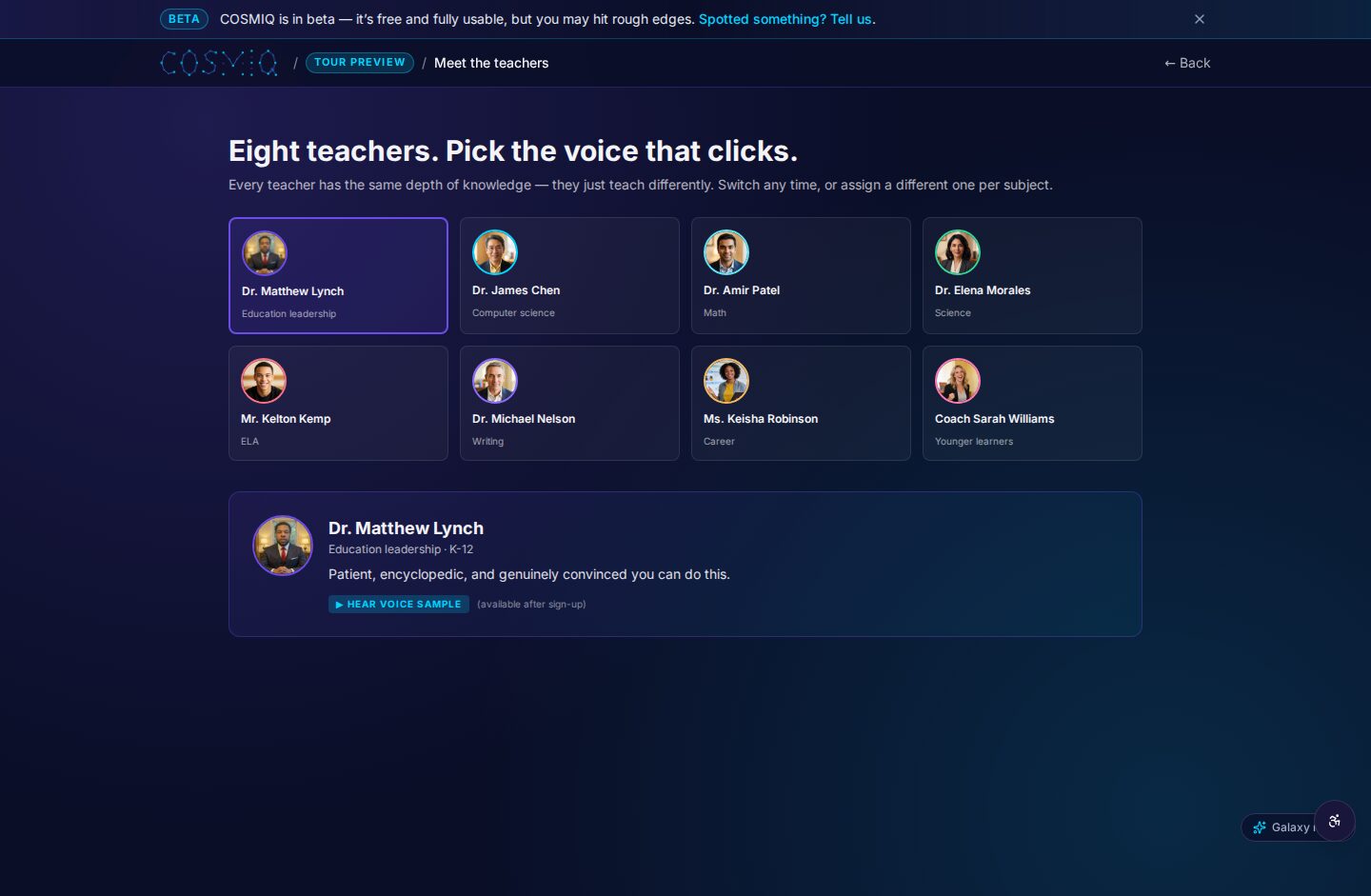
As children progress through these foundational years and into elementary school, the skills they develop continue to be built upon. Tools like COSMIQ, a free voice-driven AI tutor, can offer additional support for K-12 students by providing personalized, on-demand help with homework, concept review, and practice, complementing the strong start provided by early childhood education. For parents and teachers looking for supplementary resources, platforms like COSMIQ offer a way to reinforce learning and explore subjects in an engaging, interactive format, completely free for every K-12 student.
Looking Ahead: A Brighter Future for Our Youngest
The U.S. Department of Education's sustained and celebrated commitment to early childhood education is a testament to the understanding that these early years are not just preparatory, but foundational. By championing initiatives that expand access, enhance quality, and support both families and educators, the Department is helping to build a stronger, more equitable educational system from the very beginning. This focus promises a brighter future for countless children, equipping them with the essential tools they need to succeed in school and in life.
The ongoing work in early childhood education reminds us that every child deserves the opportunity to flourish, and that the seeds of lifelong learning are best planted in the earliest years.
Learn anything, free.
COSMIQ is a free, voice-driven AI tutor for every learner. No credit card, ever.
Start learning free →