Teachers’ Day 2026: Why Investing in Education Matters

Teachers’ Day 2026 is an opportunity to recognise the people who make learning possible every day. It is also a moment to look beyond appreciation messages and ask practical questions about what teachers and students need to thrive. Public calls for greater investment in the education sector point to an important reality: quality education depends on more than individual dedication. It requires well-supported teachers, safe and resourced schools, inclusive learning environments, and long-term planning.
Why investment in education is a teachers’ issue
Teachers are often expected to solve many challenges at once. They plan lessons, assess work, support learners with different needs, communicate with families, manage classrooms, and help students build confidence. Their commitment matters enormously, but commitment alone cannot replace the conditions needed for effective teaching.
Investment in education can support the everyday foundations of learning. This includes fair staffing levels, professional development, teaching materials, accessible facilities, school meals where needed, counselling support, and reliable technology. When these essentials are available, teachers can spend more time teaching and responding to learners instead of trying to compensate for shortages.
A call from a professional body such as the PSA for stronger education investment can therefore be understood as a call to value teaching as skilled work. Respect for teachers should be visible not only on Teachers’ Day, but also in decisions about budgets, workloads, training, and school support services.
What meaningful support can look like
Education investment is sometimes discussed in broad terms, but its effects are most meaningful when they reach classrooms. Different communities have different priorities, yet several areas consistently deserve careful attention.
- Teacher development: Teachers need opportunities to update subject knowledge, learn effective teaching approaches, and develop confidence with new tools and curricula.
- Learning materials: Textbooks, library resources, science equipment, art supplies, and accessible digital content help students engage with ideas in more than one way.
- Inclusive support: Learners may need additional language support, assistive tools, specialist services, or flexible teaching strategies. Schools need the capacity to respond early and thoughtfully.
- Healthy learning environments: Safe classrooms, clean sanitation, functioning buildings, and appropriate class sizes all affect students’ ability to focus and participate.
- Teacher wellbeing: Reasonable workloads, administrative support, and access to professional care can help teachers sustain their work over time.
These priorities are connected. For example, a new curriculum may be promising, but teachers need time, training, materials, and collaboration to implement it well. Similarly, educational technology can expand access to practice and feedback, but it works best when it supports sound teaching rather than adding another burden.
How students, parents, and communities can respond
National and regional education funding decisions sit with governments and institutions, but school communities still have a meaningful role. Teachers’ Day can become a starting point for constructive conversations about local needs and shared responsibility.
For students
Students can show appreciation in simple, specific ways. A sincere note about a lesson that helped, a respectful classroom culture, or consistent effort can matter to a teacher. Students can also practise asking for help when they are stuck. Clear questions help teachers understand where more explanation or support is needed.
For parents and caregivers
Parents can strengthen learning by staying in communication with teachers, encouraging regular routines, and recognising that progress takes time. When raising concerns, it helps to focus on the child’s needs and seek solutions together. Parents can also participate in school meetings and advocate respectfully for resources that benefit all learners, not only their own child.
For school leaders and communities
School leaders can create space for teacher collaboration, protect planning time, and listen closely to staff feedback. Community groups and local partners may be able to contribute books, mentoring, career talks, or practical support, while respecting the school’s priorities. The goal is not to shift public responsibility onto volunteers, but to build a stronger network around schools.
Using learning tools wisely
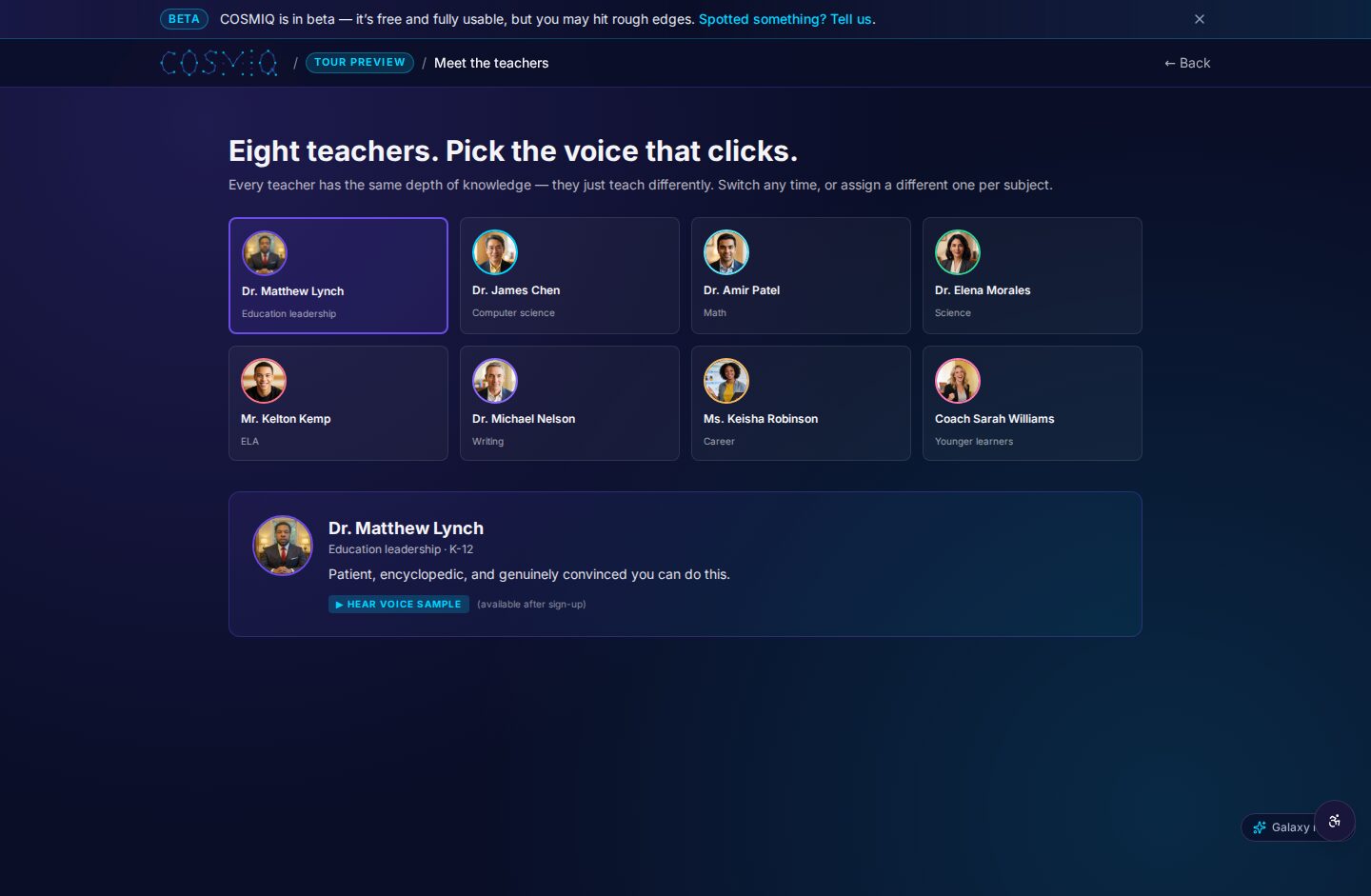
Investment in education also includes helping learners use available tools purposefully. Voice-driven AI tutoring, for example, can give students a low-pressure way to talk through a problem, practise explanations, revise concepts, or prepare questions for class. It should not replace a teacher’s judgement, relationships, or classroom leadership. Instead, it can support independent practice between lessons.
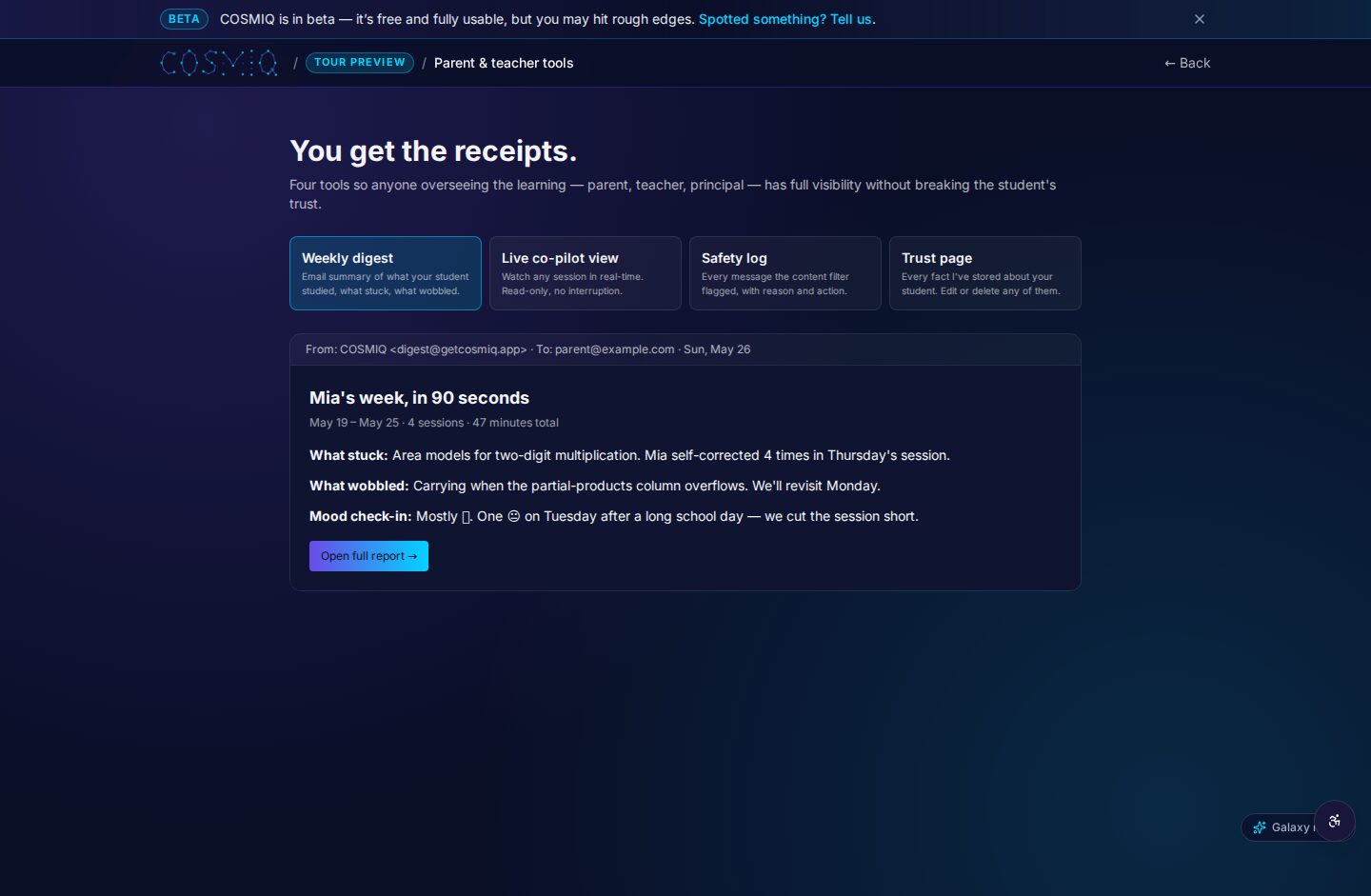
Students can use an AI tutor more responsibly by sharing the exact question they are working on, asking for hints before answers, explaining their own reasoning aloud, and checking important information against class notes or trusted sources. Teachers and parents can encourage learners to treat such tools as practice partners rather than shortcuts.
Strong education systems make it easier for good teaching to happen consistently, in every classroom and for every learner.
A Teachers’ Day commitment that lasts
Teachers’ Day 2026 should celebrate educators while keeping attention on the conditions that enable their work. Investment in education is not a one-day gesture. It is an ongoing commitment to teachers’ expertise, students’ learning opportunities, and schools’ ability to serve their communities.
For students, parents, teachers, and decision-makers alike, the practical question is simple: what would help learning happen better tomorrow, next term, and throughout the 2026-2027 school year? Listening to teachers is a valuable place to begin.
Learn anything, free.
COSMIQ is a free, voice-driven AI tutor for every learner. No credit card, ever.
Start learning free →