Teaching Emotional Regulation Through Emotional Intelligence: A K-12 Framework

Teaching emotional regulation through emotional intelligence is a crucial skill that can transform the way students navigate their feelings and interactions. In K-12 education, where students are constantly facing academic pressures, social challenges, and the complexities of growing up, cultivating emotional intelligence is more relevant than ever. Emotional regulation isn't just about controlling your emotions; it's about understanding them, expressing them appropriately, and using that understanding to foster healthy relationships with peers and adults alike.
Understanding Emotional Regulation and Emotional Intelligence
So, what exactly do we mean by emotional regulation? At its core, emotional regulation refers to the ability to manage and respond to an emotional experience. This includes identifying emotions, understanding their triggers, and knowing how to express or cope with those feelings. Emotional intelligence, on the other hand, encompasses a broader range of skills. It includes self-awareness, self-management, social awareness, and relationship management. These skills work together to help students not only recognize their own emotions but also understand and empathize with others’ feelings.
Imagine a student who feels anxious before a big test. Without emotional regulation, that anxiety could spiral out of control, affecting performance and overall well-being. However, with emotional intelligence, the student can identify their anxiety, understand it as a normal reaction, and use coping strategies, like deep breathing or positive self-talk, to manage it. This is why teaching emotional regulation through emotional intelligence is essential in a K-12 framework.
The Importance of Emotional Regulation in K-12 Education
Why should emotional regulation even matter to educators? Research shows that students with strong emotional regulation skills tend to perform better academically and socially. They’re more likely to engage positively with peers, manage stress effectively, and face challenges with resilience. For teachers, fostering these skills can lead to a more harmonious classroom environment, reducing behavioral issues and increasing overall student engagement.
Consider a classroom where students are encouraged to express their feelings openly. A student who feels heard is less likely to act out. When feelings are acknowledged, students learn that it’s okay to feel a range of emotions and that they can manage those emotions constructively. This not only enhances the classroom atmosphere but also equips students with skills they’ll use throughout their lives.
Strategies for Implementing an Emotional Regulation Curriculum
Implementing a curriculum focused on emotional regulation teaching requires intentional planning. Here are some strategies that can effectively integrate emotional intelligence into your teaching.
First, incorporate social-emotional learning (SEL) programs in your school. These programs provide structured activities and lessons that teach students about emotions and regulation techniques. Schools like those highlighted on websites such as The Ed Advocate emphasize the importance of SEL in fostering a positive learning environment. This can include role-playing exercises where students practice responding to various emotional scenarios.
Second, create a safe space for emotional expression within the classroom. Establish norms around sharing feelings and discussing emotional experiences. Encourage students to share their emotions in a supportive manner, perhaps through guided discussions or emotion check-ins at the beginning or end of class. This practice not only helps students articulate their feelings but also fosters a sense of community.
Practical Activities for Developing Emotional Intelligence
Now that you have strategies in place, how can you make emotional regulation teaching practical? Here are some engaging activities you can implement.
1. Emotion Journals: Have students keep a journal where they reflect on their daily emotions. This encourages self-awareness as they document what made them feel happy, sad, anxious, or excited. It also helps them recognize patterns in their emotional responses. Additionally, you can guide students to write about times they felt overwhelmed and how they coped with those feelings, fostering a deeper understanding of their emotional processes.
2. Role-playing: Use role-playing scenarios to help students practice responding to various social situations. This not only improves their emotional regulation but also their social skills. For example, students can act out conflicts and explore different ways to resolve them. They can simulate responses to peer pressure, enabling them to rehearse how to assertively express their feelings or say no.
3. Mindfulness Activities: Introducing mindfulness practices, like meditation or breathing exercises, can significantly enhance emotional regulation. These practices help students become more aware of their emotional state and develop techniques to remain calm and focused. Consider setting aside a few minutes each day for a mindfulness session, where students can practice deep breathing, visualize a peaceful scene, or simply reflect on their emotions.
Supporting Teachers in Emotional Regulation Teaching
Teachers play a critical role in modeling emotional regulation. However, they also need support to effectively teach these skills. Professional development workshops focused on emotional intelligence can be invaluable. These workshops can provide teachers with tools, resources, and strategies to integrate emotional regulation into their lessons.
Additionally, fostering a culture of collaboration among educators can enhance the teaching of emotional intelligence. By sharing experiences and strategies, teachers can learn from one another and discover new ways to engage students in emotional regulation activities. For instance, a monthly meeting where teachers discuss challenges and successes in implementing SEL practices can provide insight and inspiration.
Assessing Emotional Regulation Skills
How do you know if your efforts in emotional regulation teaching are effective? Assessment can be tricky when it comes to emotional skills, but there are ways to gauge progress. Consider using self-assessment surveys where students can reflect on their emotional regulation skills. These surveys can ask questions about how they handle various emotional situations. You can create simple Likert scale questions, allowing students to rate their confidence in managing their emotions.
Another method is observational assessment. Keep an eye on how students interact with one another and how they manage their emotions in different situations. You might notice improvements in conflict resolution, communication, and overall emotional expression. Sharing this feedback with students can help them see their own growth. For instance, if a student who previously struggled with anger outbursts can now calmly discuss their feelings, that’s a significant achievement worth celebrating.
Community Involvement and Resources
Lastly, consider involving the community in your emotional regulation initiatives. Partnering with local mental health organizations can provide additional resources and support for students and families. Workshops for parents can also help them understand emotional intelligence and how to reinforce these skills at home.
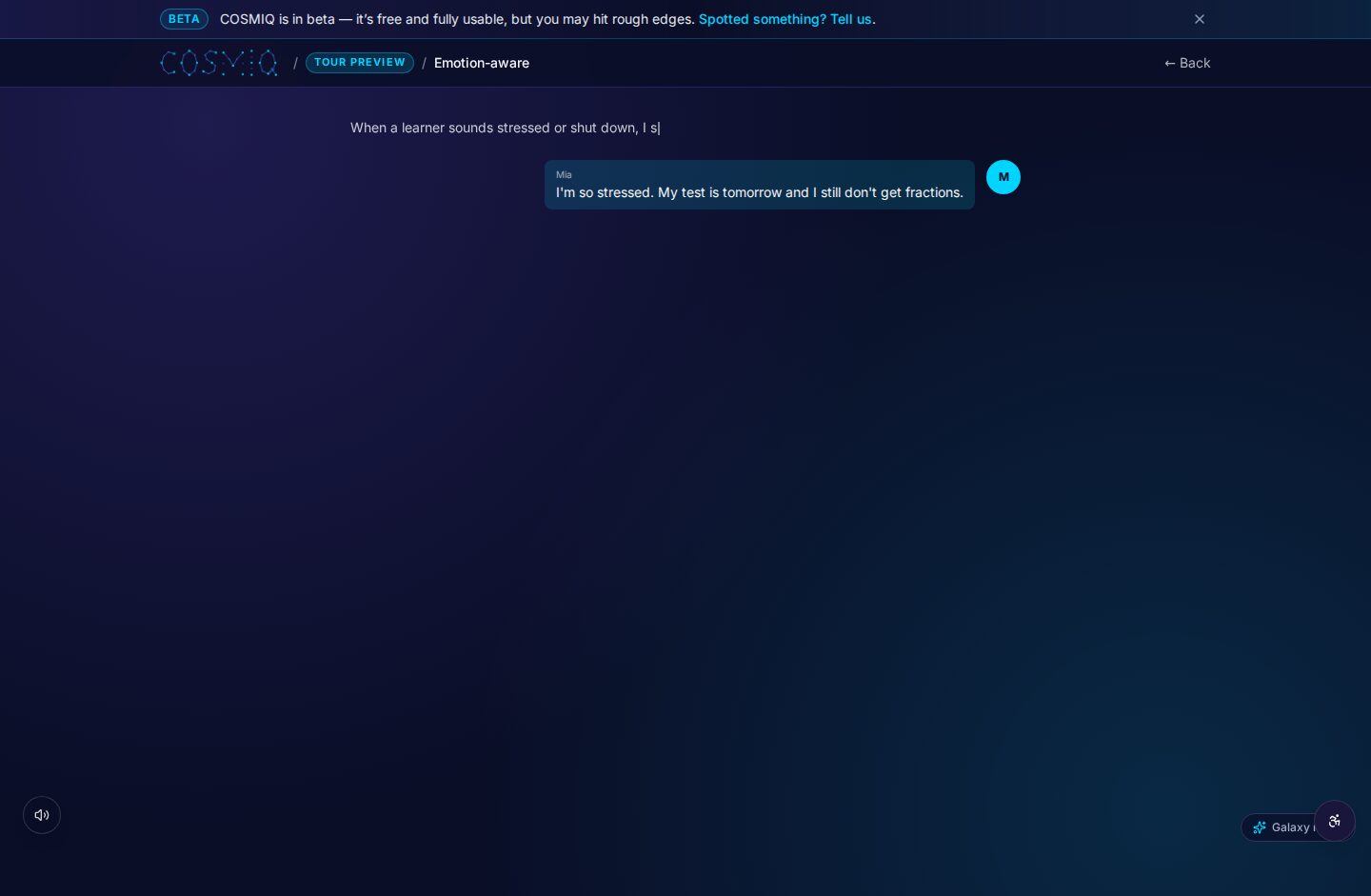
Online platforms like Cosmiq offer resources that can further assist educators in teaching emotional regulation through emotional intelligence. Utilizing such tools can enhance your curriculum and provide a comprehensive approach to emotional learning. For example, you might find interactive games that teach emotional recognition or apps that guide students through mindfulness exercises, making emotional learning engaging and accessible.
Building a Culture of Emotional Intelligence in Schools
Creating a school-wide culture of emotional intelligence is essential for the sustainability of the emotional regulation teaching you're implementing. It starts with leadership. School administrators should prioritize emotional intelligence by integrating it into the school's mission and vision.
For example, consider a school that adopts a whole-school approach to emotional intelligence. This could mean providing training for all staff, including non-teaching roles, so that everyone—from lunchroom aides to janitorial staff—understands the importance of emotional regulation. When everyone is on board, the message is clear: emotional intelligence matters.
You can also encourage peer mentorship programs where older students help younger ones navigate their emotions. This not only empowers older students but also creates a sense of community. Think about how great it feels to have someone guide you through tough times. When students see their peers practicing emotional regulation, it normalizes these behaviors and fosters a supportive environment.
The Role of Parents and Guardians in Emotional Regulation Teaching
Parents and guardians are vital partners in teaching emotional regulation. They can reinforce the skills students learn at school by modeling emotional intelligence at home. Schools can facilitate this partnership through regular communication, workshops, and resources.
Consider hosting workshops for parents that cover topics like recognizing emotional triggers, effective communication strategies, and how to respond to their child's emotional needs. These workshops can be interactive, allowing parents to practice techniques with one another. It’s one thing to learn about emotional regulation; it’s another to put that knowledge into practice in real-life scenarios.
Additionally, schools can create take-home resources for families, such as emotion charts or activity sheets that parents and children can complete together. These tools can help parents engage meaningfully with their children about emotions, solidifying the lessons learned in the classroom.
Challenges in Teaching Emotional Regulation and How to Overcome Them
While teaching emotional regulation through emotional intelligence holds vast potential, it’s not without challenges. One common issue is the stigma surrounding emotions. Some students may feel embarrassed to express their feelings, fearing judgment from peers or teachers.

To combat this, educators need to create a stigma-free environment that normalizes emotional expression. Start with discussions about feelings. Use literature and media that highlight characters dealing with emotions. By showcasing emotional struggles, students can see that they’re not alone. For example, books like 'The Color Monster' can be excellent resources to help younger students identify and articulate their emotions.
Another challenge might be the varying levels of emotional maturity among students. In a classroom, you might have students at different developmental stages when it comes to emotional understanding. Differentiation is key here. Tailor activities to match the emotional readiness of your students. For younger students, this might mean using more visual aids and guided discussions, while older students can handle more abstract conversations about emotions.
Incorporating Technology in Emotional Regulation Teaching
Technology can play a pivotal role in enhancing emotional regulation teaching. There are various apps and online resources available that can support this endeavor. For example, mindfulness apps can provide guided meditations and breathing exercises that students can access anytime.
Additionally, online platforms allow for anonymity in sharing feelings. Students might feel more comfortable expressing their emotions in a digital format rather than face-to-face. You could utilize forums or apps that encourage students to share their emotional reflections in a safe, moderated environment. This can be particularly useful for students who struggle with verbal communication.
Incorporating digital storytelling can also be an engaging way for students to express their emotions. Encourage them to create videos or presentations that depict their emotional journeys. This not only integrates technology but also allows students to reflect deeply on their experiences. Consider hosting a digital storytelling festival where students can share their work with peers and families, promoting an understanding of diverse emotional experiences.
Incorporating emotional regulation teaching into the K-12 framework isn't just an add-on; it's an essential component of preparing students for life's challenges. By fostering emotional intelligence, you’re equipping students with lifelong skills that will help them navigate their emotions, understand others, and thrive in both their personal and academic lives.
The Impact of Cultural Differences on Emotional Regulation
Cultural backgrounds can have a significant influence on how students express and manage their emotions. In a diverse K-12 classroom, it's essential to be sensitive and aware of these differences. Some cultures may encourage emotional expression, while others might promote stoicism. Understanding these dynamics can enhance your emotional regulation teaching.
For instance, in some cultures, openly expressing emotions is seen as a sign of strength and authenticity. Conversely, in other cultures, keeping emotions in check is valued, and students may feel uncomfortable discussing their feelings. As an educator, you should create an inclusive environment by allowing students to share their cultural perspectives on emotions. This could be done through discussions, activities, or even sharing personal stories related to emotional experiences.
Incorporating diverse resources, such as books and videos that reflect a variety of cultural perspectives on emotions, can help students see the richness of emotional experiences across different backgrounds. This not only fosters empathy but also encourages students to appreciate the diversity of emotional expression in their peers.
Creating Safe Spaces for Emotional Expression
To effectively teach emotional regulation, it’s crucial to create safe spaces where students can express their feelings without fear of judgment. These safe spaces can take many forms, from designated areas in the classroom for quiet reflection to after-school clubs focused on emotional support.
Consider establishing a “feelings corner” in your classroom, equipped with plush toys, calming visuals, and resources for students to explore their emotions. This space acts as a refuge where students can retreat when feeling overwhelmed. You might also implement regular “emotional check-in” sessions where students can share their feelings in a structured but supportive environment, ensuring that every voice is heard.
Additionally, incorporating activities such as art therapy can provide an alternative outlet for students to express their emotions. Whether through drawing, painting, or writing, these creative expressions can be incredibly therapeutic. Students who may struggle to articulate their feelings verbally can find solace in these mediums, allowing for emotional exploration without the pressure of verbal communication.
Related resources: drmattlynch.com · pedagogue.app
Learn anything, free.
COSMIQ is a free, voice-driven AI tutor for every learner. No credit card, ever.
Start learning free →