Teaching Pragmatics to Elementary School Students with Autism

Understanding Pragmatics
Pragmatics refers to the rules and conventions for using language in social contexts. It’s not just about the words you say; it’s about how you say them, when you say them, and to whom you say them. For elementary school students with autism, understanding these nuances can be particularly challenging. They may struggle with interpreting tone, body language, and social cues, which are all crucial parts of effective communication.
Imagine a child who can recite a poem perfectly but can’t respond appropriately when someone asks them a casual question. This is a common scenario for children on the autism spectrum. They might miss out on the implicit rules of conversation, leading to misunderstandings or social difficulties. Teaching pragmatics to these students is essential for helping them navigate social interactions more effectively.
Pragmatics is not just a mere accessory to communication; it’s the very fabric that holds conversations together. Think about how much we rely on context to convey meaning. For instance, a simple statement like "Can you pass the salt?" might seem straightforward, but it carries layers of social expectation—like the assumption that the listener is willing to help. Children with autism may not grasp these subtle cues, leading to potential awkwardness in social settings.
By focusing on pragmatics, we’re not merely teaching language; we’re teaching the art of interaction. Children on the autism spectrum often find it more challenging to read between the lines. Helping them understand these social conventions is foundational for developing meaningful relationships and social networks.
The Importance of Social Skills
Social skills are critical for your child, not just in school but throughout life. They contribute to forming friendships, participating in group activities, and even preparing for the workforce later on. A child who can’t engage in a conversation may find themselves isolated or bullied. This can severely affect their self-esteem and overall well-being.
Think about it: when kids learn to play games, they also learn to take turns, negotiate rules, and express feelings. These skills are built through interactions, and children with autism often miss these lessons. By teaching pragmatics, you’re giving them the tools to build relationships and engage meaningfully with peers.
Consider a scenario where a child is invited to a birthday party. If they can’t understand the social nuances of greetings, they might enter the room and fail to acknowledge the host or other guests. This can create a perception of rudeness or disinterest, which might lead to withdrawal or social rejection. On the other hand, a child who understands how to greet and engage with others stands a much better chance of forging friendships.
Social skills extend beyond interactions with peers; they're also vital in academic settings. A student who can ask for help or clarify instructions is more likely to succeed academically. Conversely, a child who struggles with these skills may fall behind, both socially and academically. This emphasizes the need to prioritize pragmatic teaching in the classroom.
Furthermore, social skills influence emotional regulation. A child who can communicate effectively is more likely to express frustration or anxiety, rather than resorting to behavioral outbursts. For instance, when faced with a challenging math problem, a child with good social skills might seek help or express their feelings, while a child lacking these skills may simply shut down or act out. Thus, the development of pragmatic skills can have cascading effects on a child’s emotional and social well-being.
Practical Strategies for Teaching Pragmatics
So, how can you effectively teach pragmatics to elementary school students with autism? There are several strategies that can be incredibly helpful.
First, role-playing is a powerful tool. Create scenarios that mimic real-life situations, like greeting a friend, asking for help, or sharing a toy. Role-playing allows students to practice these interactions in a safe environment. Start simple, then gradually increase complexity as they become more comfortable.
For example, you might start with a simple interaction like ‘Hello’ and ‘How are you?’ then move to more elaborate scenarios like having a conversation about a favorite book. You can create scripts or cue cards to help guide them during these exercises. Incorporating feedback is also essential; after each role-play, discuss what went well and what could be improved.
Another effective method is using visual supports. Charts or social stories can illustrate appropriate conversational behaviors. For instance, a visual cue can show the steps for starting a conversation: making eye contact, smiling, and asking a question. These tools can help solidify understanding.
One creative approach might be to map out a conversation visually. Use thought bubbles or flowcharts to demonstrate how to respond to different prompts. Such visual aids can cater to visual learners and reinforce the cognitive aspects of social interaction.
Lastly, consider integrating storytelling. Stories can be a fantastic way to teach social norms and expectations. You could craft a story about a character who experiences various social situations, discussing as a group what the character did well and what could have been done differently. Additionally, you might encourage students to create their own stories that reflect their experiences. This not only solidifies learning but also gives students a platform to express themselves.

Integrating Technology
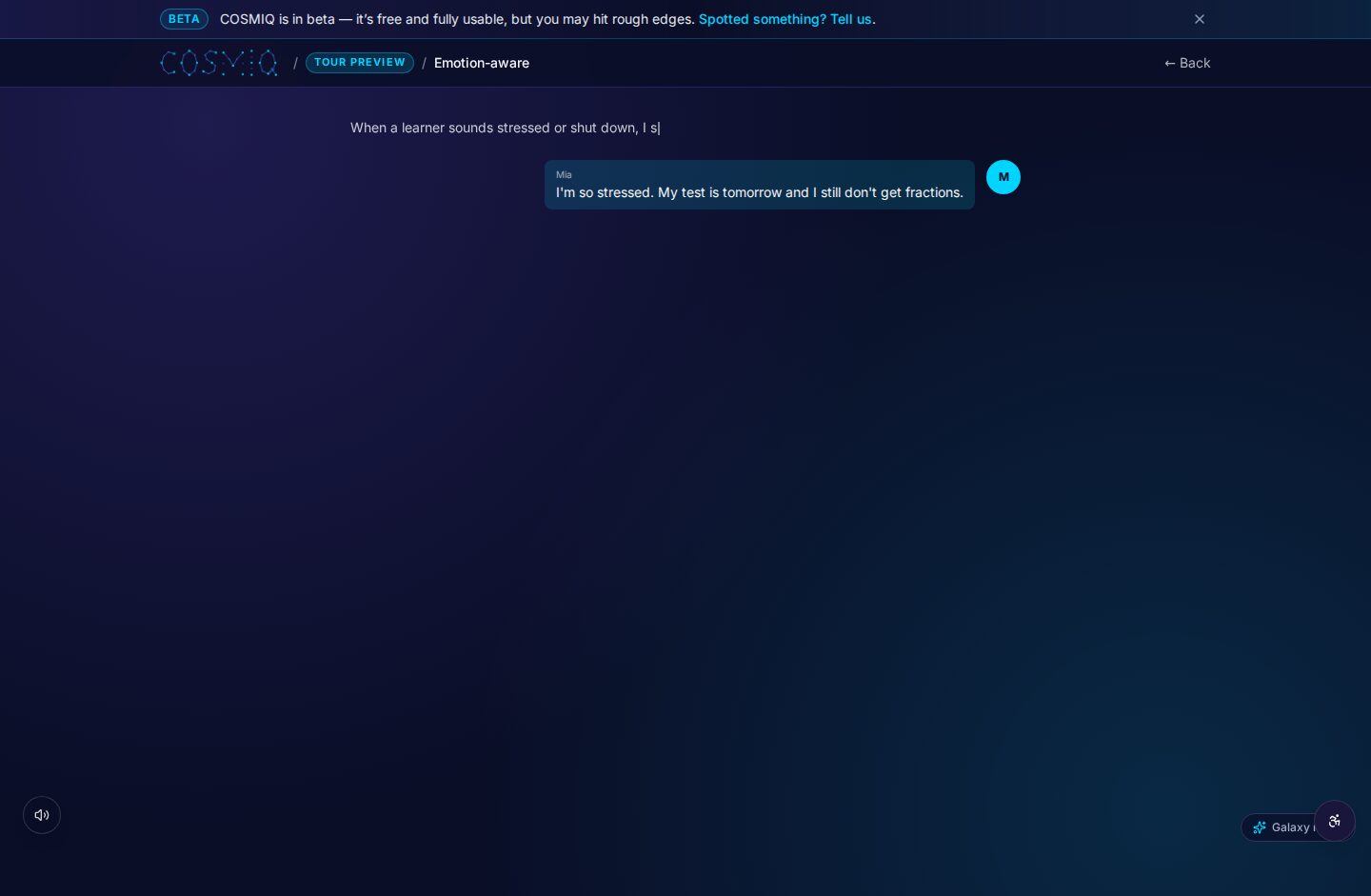
In today’s tech-savvy world, you can also use apps and digital resources to teach pragmatics. Platforms like Cosmiq can provide interactive ways to practice social skills. These tools often include games and quizzes that reinforce the principles of social interaction.
Interactive technologies can be particularly engaging for students on the spectrum. They often find comfort in screens, so why not use that to your advantage? For example, teaching them how to express emotions through emojis can help bridge the gap between digital and face-to-face communication.
You might also explore online forums or safe social media environments where students can practice their skills in a moderated setting. This experience can be valuable, as it allows them to communicate with peers in a controlled manner while still experiencing the digital elements of social interaction.
Another engaging option is utilizing video modeling. Record scenarios that showcase appropriate and inappropriate social interactions. Watching these clips allows students to see how social cues play out and understand the consequences of certain behaviors. This method reinforces learning in a way that traditional methods might not.
Consider also employing virtual reality (VR) for teaching pragmatics. Using VR, children can immerse themselves in simulated social situations, providing a unique platform for them to practice responses in a controlled environment. This method can be particularly beneficial as it mimics real-life social interactions without the immediate pressures of actual engagement.
Creating a Supportive Environment
Creating a supportive classroom environment is crucial when teaching pragmatics. Make sure you’re fostering a culture of acceptance and understanding. Encourage all students to be patient when peers struggle with communication.
Additionally, consider implementing peer mentoring programs. Pairing students with autism with understanding, sympathetic classmates can be beneficial for both parties. The neurotypical student can model appropriate social behaviors, while the child with autism gets the chance to practice in a real-world setting. It’s a win-win.
A well-structured mentoring program can involve training sessions for both mentors and mentees. Equip mentors with strategies to effectively communicate and support their peers. This not only enhances the learning experience but also fosters empathy and understanding among the entire class.
Moreover, displaying inclusive behavior and celebrating diversity in the classroom can set a positive tone. Encourage activities that promote teamwork, such as group projects or cooperative games, where each child can contribute according to their strengths. Activities where they collaborate to create something—like a class mural or a group story—can help build a sense of community.
Furthermore, consider setting up a 'kindness corner' in your classroom, where students can share positive comments or notes about their classmates. This initiative can enhance social bonds, making students feel valued and understood, which is crucial for those on the spectrum.
Collaboration with Parents and Caregivers
Collaboration with parents and caregivers is key to effectively teaching pragmatics. They bring invaluable insights about their child’s communication style, preferences, and challenges. Regular communication can help you tailor your teaching methods to better suit the individual needs of each student.
Encourage parents to practice social skills at home. Simple activities like family game nights or role-playing dinner conversations can reinforce what’s being taught in school. The more consistent the practice, the better the outcomes.
Another approach is to provide parents with tools to observe and document their child's progress at home. Consider weekly or bi-weekly check-ins to discuss updates, share successes, and address ongoing challenges. This collaborative effort solidifies the support system around the child and maximizes the impact of pragmatic teaching.
Furthermore, organizing workshops for parents can empower them with techniques to reinforce pragmatic skills at home. These workshops could cover specific topics like understanding non-verbal cues or navigating social situations, giving parents the confidence to assist their children effectively.
You might also consider creating a resource guide that includes reading materials, websites, and local community resources where parents can further engage with their child’s social skill development. This guide could serve as a valuable tool in bridging the gap between home and school.
Monitoring Progress and Adjusting Strategies
Finally, monitoring progress is essential. Keep track of your students’ ability to use pragmatic skills in different contexts. This might include noting how often they initiate conversations or respond appropriately to social cues.
Adjust your strategies based on what you observe. If a specific technique isn’t working, don’t hesitate to try something different. Flexibility is vital. Remember, every child with autism is unique, and what works for one may not work for another.
You could implement a structured progress-tracking system, perhaps using a simple checklist that outlines specific skills. This will allow you to visually chart each student’s growth over time, making it easier to celebrate small victories and identify areas needing improvement.
Peer feedback can also be beneficial. Encourage students to offer supportive comments to one another about their social interactions. This not only fosters a sense of community but also helps them reflect on their own behavior and learn from each other.
Additionally, consider utilizing technology to track progress. Various apps are available that can help document social interactions and skills development, allowing for a more detailed analysis. This data can be invaluable in parent-teacher conferences and in refining teaching approaches.
The Role of Cultural Awareness in Teaching Pragmatics
When teaching pragmatics, it’s essential to integrate an understanding of cultural diversity. Children come from varied backgrounds with different customs, idioms, and social expectations. For students with autism, these cultural nuances can significantly impact their ability to engage effectively in social situations.
For instance, in some cultures, direct eye contact is considered respectful, while in others, it may be seen as confrontational. As educators, it’s crucial to discuss these differences and help students recognize and adapt to various social norms. Role-playing exercises can be adapted to include these cultural contexts, allowing students to practice interacting in diverse scenarios.
Consider also including stories, games, or examples from a variety of cultures in your teaching materials. This exposure not only broadens your students’ understanding but also fosters empathy and appreciation for others. Children with autism can benefit immensely from understanding that there are multiple ways to communicate effectively.
Creating a culturally responsive classroom can further enhance the social learning environment. Invite families to share their customs or traditions, potentially leading to class discussions or projects that promote cultural exchange. This not only supports pragmatic learning but also builds a more inclusive atmosphere.
The Road Ahead
Teaching pragmatics to elementary school students with autism is a rewarding endeavor. The skills you help them develop now can lead to a more fulfilling and connected life. While the journey may come with challenges, the progress you’ll witness will be well worth the effort.
As you set out to teach pragmatics, remember that it’s not just about academic success. It’s about equipping these children with the tools they need to engage with the world around them. That’s the ultimate goal, isn’t it? To prepare them not just for the classroom but for life.
In closing, think about the impact you can have. By focusing on pragmatic skills, you’re not just teaching children how to communicate; you’re giving them the opportunity to thrive. Every small step forward can lead to meaningful connections and a deeper understanding of the world, making all the difference in their lives.
Learn anything, free.
COSMIQ is a free, voice-driven AI tutor for every learner. No credit card, ever.
Start learning free →