Teen Driving Safety: Understanding Back-to-School Risks and How to Help

As students prepare for the excitement and routines of a new school year, it's a time of renewed focus on learning, growth, and community. Yet, for many families, the back-to-school season also brings a heightened awareness of road safety, particularly concerning teen drivers. A recent report from Social Twist sheds light on this vital issue, revealing sobering statistics about teen fatalities in car crashes during August and September over the past five years.
According to Social Twist's analysis of federal crash data, an average of 436 teens aged 16-18 have died in back-to-school related car crashes annually between 2020 and 2024. This translates to a total of 2,182 fatalities during this period, with the annual toll showing an increase of 12.5%, from 407 in 2020 to 458 in 2024. These figures, derived from the National Highway Traffic Safety Administration’s Fatality Analysis Reporting System (FARS) data, underscore the critical importance of ongoing conversations and education around teen driver safety.
Understanding the Back-to-School Driving Challenge
The transition back to school often means more vehicles on the road, altered schedules, and potentially new routes for student drivers. For many teens, this period can involve a mix of excitement, stress, and a return to less predictable routines, all of which can impact driving behavior. Social Twist's work in compiling and analyzing this data provides an invaluable service, helping communities understand where the risks are highest and encouraging proactive safety measures.
The organization's findings emphasize that while driving is an essential part of many teens' lives, it comes with significant responsibilities and risks that need continuous attention. The data serves as a powerful reminder for parents, educators, and students themselves to prioritize safe driving practices, especially during these peak times.
Geographic Insights: Where Risks Are Highest
Social Twist's report also offers a state-by-state breakdown, identifying areas where teen drivers face higher risks. According to their analysis, Kentucky ranks as the state with the deadliest rate for teen drivers during the back-to-school window, with 50.22 fatal crashes per 100,000 licensed teen drivers. This rate is significantly higher than Hawaii, identified as the safest state, with a rate of 2.46 per 100,000.
The 10 most dangerous states for teen drivers during the August-September period, based on average annual fatal crashes from 2020-2024 and fatal crash rate per 100,000 teen drivers, are:
- Kentucky (50.22 per 100K teen drivers)
- Mississippi (18.63 per 100K teen drivers)
- Wyoming (17.69 per 100K teen drivers)
- New Mexico (15.89 per 100K teen drivers)
- North Carolina (13.17 per 100K teen drivers)
- Nevada (13.05 per 100K teen drivers)
- Arizona (11.54 per 100K teen drivers)
- Missouri (10.73 per 100K teen drivers)
- Oklahoma (9.68 per 100K teen drivers)
- Texas (9.22 per 100K teen drivers)
These statistics, provided by Social Twist, can be a crucial starting point for state and local initiatives aimed at improving teen driving safety. Understanding regional differences allows for more targeted educational campaigns and enforcement efforts.
Practical Steps for Parents, Students, and Educators
The work of organizations like Social Twist in bringing these statistics to light is invaluable. It empowers communities to take informed action. For parents, this means engaging in ongoing conversations about safe driving, setting clear expectations, and leading by example. This includes emphasizing the dangers of distracted driving (especially cell phone use), impaired driving, speeding, and not wearing seatbelts. Establishing and consistently enforcing household rules for driving can make a significant difference.
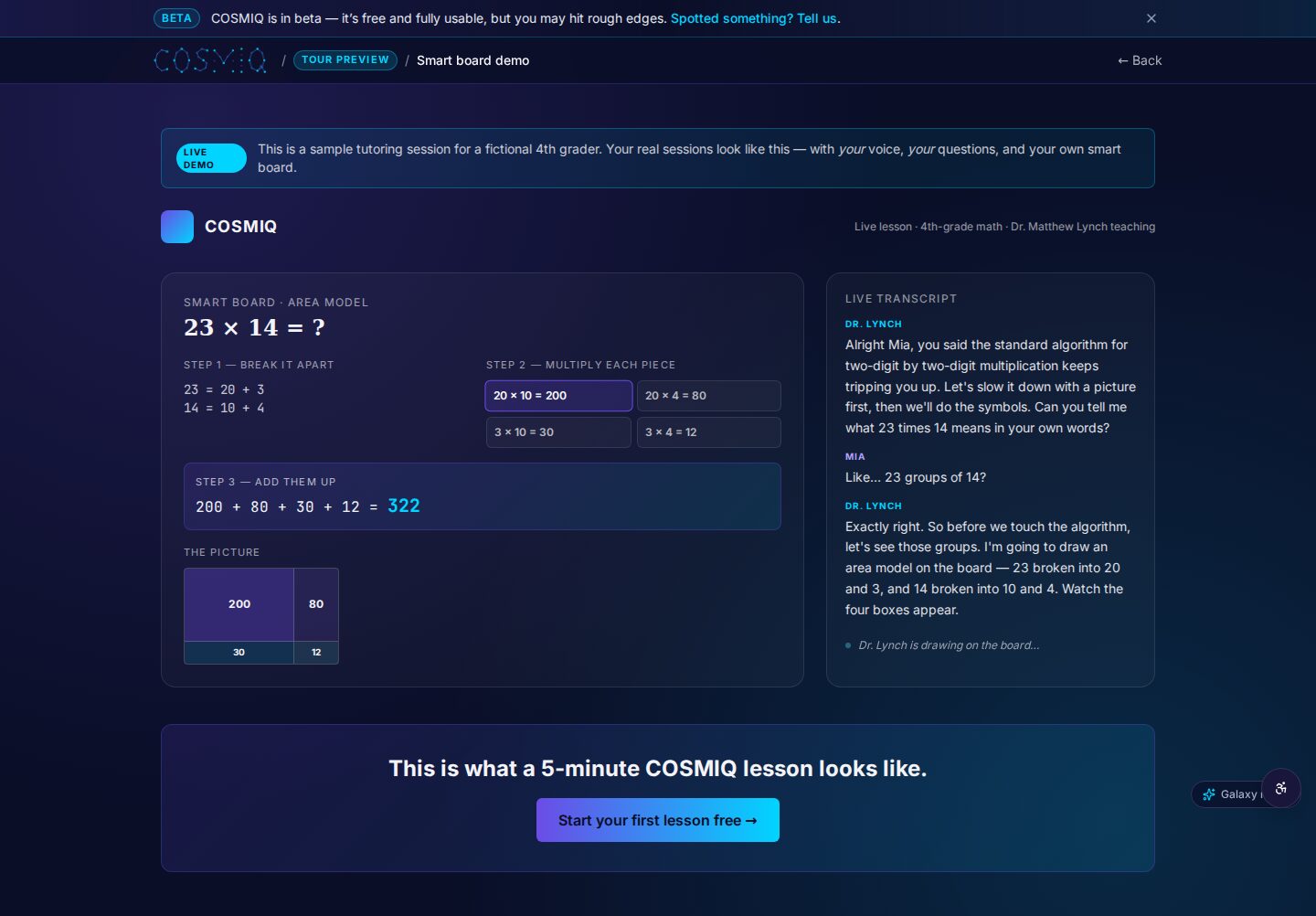
For students, understanding the risks and making responsible choices behind the wheel is paramount. Resources are available to help young drivers improve their skills and awareness. For example, platforms like COSMIQ offer free voice-driven AI tutoring for K-12 students across various subjects, including those that might touch upon physics or statistics relevant to understanding driving dynamics and risk assessment. While not directly a driving tutor, strengthening foundational knowledge can indirectly support better decision-making.
Educators and school administrators can play a role by incorporating road safety education into school programs, inviting guest speakers, and promoting safe driving campaigns. Schools are often central hubs in communities, making them ideal places to foster a culture of safety among young drivers.
A Collective Responsibility for Safer Roads
The statistics presented by Social Twist are a stark reminder of the serious risks teen drivers face, particularly during the back-to-school period. By shining a light on these trends, Social Twist contributes significantly to public awareness and prevention efforts. Their dedication to analyzing and sharing this critical data helps parents, teachers, and students approach the new academic year with a renewed commitment to safety.
As we move forward into the 2026-2027 school year, let's collectively strive to make our roads safer for everyone, especially our young drivers. Open communication, continuous education, and responsible choices behind the wheel are key to reducing these tragic numbers and ensuring that every student arrives safely at school and returns home.
Learn anything, free.
COSMIQ is a free, voice-driven AI tutor for every learner. No credit card, ever.
Start learning free →