The Accessible AI Tutor Built for Every Learner
In an age where technology seeps into nearly every aspect of our lives, the realm of education is no exception. There's a growing demand for tools that cater to diverse learning needs. Enter the accessible AI tutor, an innovative solution designed to support learners of all abilities. These AI-driven platforms promise to bridge gaps in education, providing personalized assistance that adapts to every student's unique requirements. Let’s explore how these tools are reshaping the landscape of learning.
Understanding Accessible AI Tutoring
So, what exactly is an accessible AI tutor? At its core, it’s a digital learning assistant that utilizes artificial intelligence to offer customized educational experiences. Unlike traditional teaching methods, which often adopt a one-size-fits-all approach, these AI tutors adapt to individual learning styles and needs. Whether a student has a learning disability or simply requires a different pace, accessible AI tutors can respond effectively.
Imagine a student who struggles with reading due to dyslexia. An accessible AI tutor can provide tailored reading materials, use text-to-speech functions, and offer real-time feedback. This individualization fosters a more engaging and effective learning experience. And for those who might feel marginalized in traditional classroom settings, having reliable support can make all the difference.
Think about a student with autism who may struggle with social cues or emotional regulation. An AI tutor can provide practice scenarios that help navigate social situations in a safe environment. By offering feedback on responses and suggesting alternative approaches, the AI can facilitate social skills development that might be challenging in a conventional classroom.
The Role of AI Tutors in Inclusivity
Inclusivity in education isn't just a trend; it’s a necessity. An AI tutor for disabled students embodies this philosophy perfectly. By providing tools and resources designed with accessibility in mind, these tutors ensure that all students, regardless of their challenges, have the opportunity to succeed.
For instance, consider students with low vision. An accessible AI tutor can incorporate features such as high-contrast visuals, adjustable text sizes, and voice commands. This isn’t merely about compliance with regulations; it's about creating an environment where every learner can thrive. When students feel that their unique needs are being met, their confidence and motivation to learn soar.
But it doesn't stop with visual impairment. Think about students with hearing impairments. An AI tutor can utilize sign language recognition and provide subtitles for all video content. This level of engagement ensures that students who are hard of hearing can participate fully in discussions, just as their peers do. This cross-disability accessibility broadens the inclusivity umbrella to cover a wider range of learners.
Leveraging Technology for Personalized Learning
Personalized learning has been a buzzword in education for years. But how do we truly achieve it? With technology, specifically AI, that’s how. An IEP-friendly tutor can leverage data from a student’s interactions to adapt lessons according to their performance. This means if a student excels in math but struggles with writing, the AI can redirect focus and resources toward improving writing skills.
The beauty of AI tutors lies in their ability to analyze vast amounts of data quickly. They can assess which teaching methods work best for each student, offering suggestions and resources that fit perfectly into their learning journey. This level of personalization was once the realm of private tutoring, but AI is democratizing access to such tailored support.
Consider a scenario where a student is prepared to take an exam in a subject they find challenging. The AI tutor can provide a personalized study plan that focuses only on their weak areas, using practice questions and interactive lessons. This targeted approach not only boosts knowledge but also confidence, reducing anxiety and increasing the likelihood of success.
Combining AI with Screen-Reader Technology
For students who rely on screen-reader technology, the design of educational tools is crucial. A screen-reader tutor not only needs to present information clearly but must also be compatible with various screen-reader software. Many students who depend on these tools can face challenges when content isn’t formatted properly. Accessible AI tutors can ensure that educational materials are designed in a way that makes them easy to navigate.
By integrating thoughtfully with screen-readers, these AI tutors can make learning seamless. Imagine a student who can’t see the text on the screen but still comprehends a lesson through audio prompts and interactive queries. The technology doesn’t just serve a functional purpose; it fosters independence and confidence.

Additionally, the AI can learn a student’s preferences over time. If a student prefers audio explanations over visual ones, the AI can adapt its teaching style accordingly. This kind of responsiveness is essential for students who may struggle to keep up when the pace varies from their learning style.
Support Beyond Academics
While academic success is vital, education encompasses much more. Social and emotional learning (SEL) is an essential component, often overlooked. Accessible AI tutors can also contribute here by providing resources that help students manage stress, build relationships, and develop resilience.
For instance, an AI tutor could present scenarios that encourage students to think critically about social interactions or guide them through mindfulness exercises. This holistic approach ensures that students are not just gaining knowledge but are also developing the soft skills necessary for life outside the classroom.
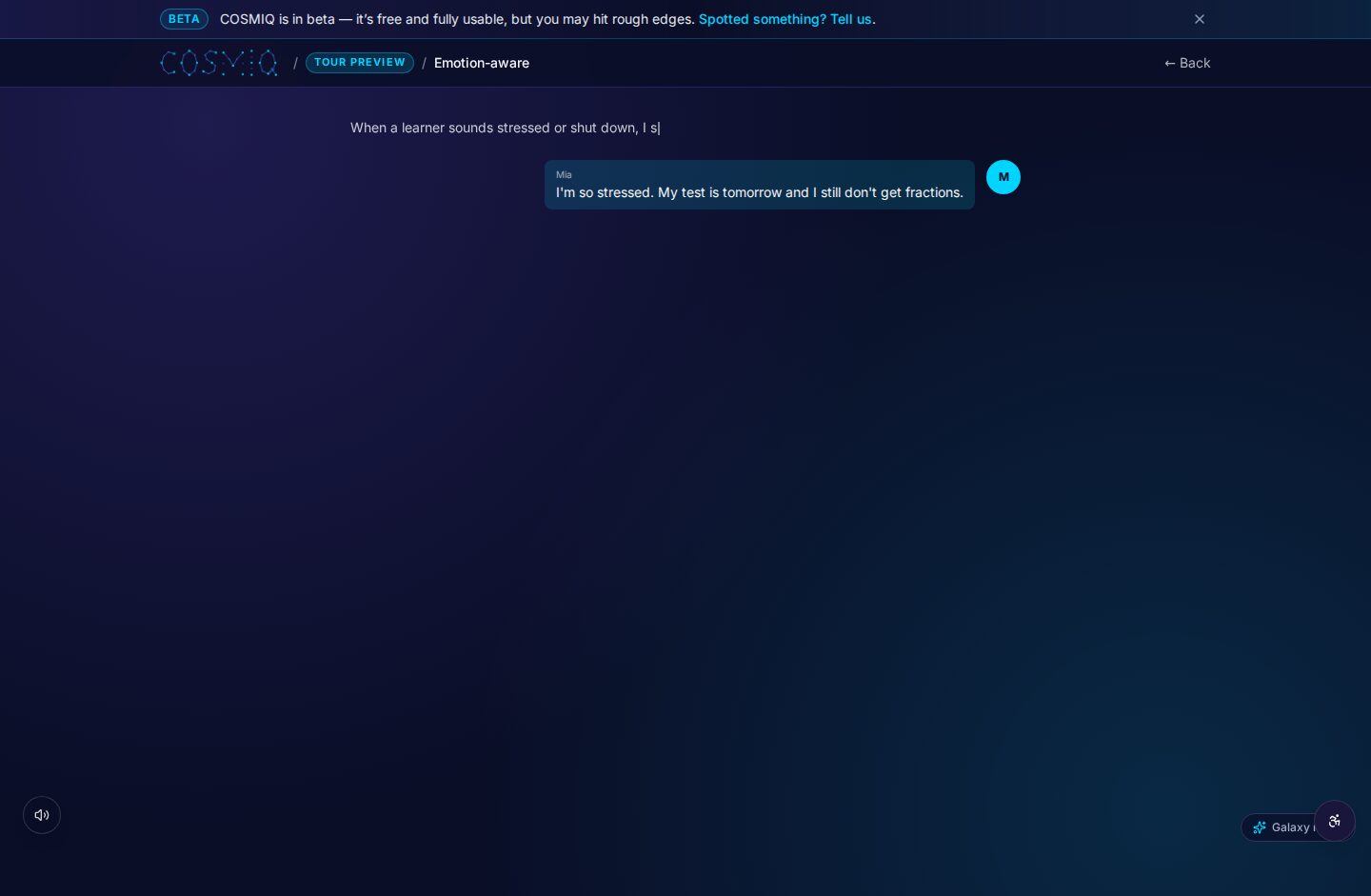
Imagine an AI that recognizes when a student shows signs of frustration through their responses. It could then offer supportive messages, suggest breaks, or even recommend activities that help refocus their energy. This kind of emotional insight can provide invaluable support, helping students manage their mental well-being.
Challenges and Considerations
Of course, no system is without its challenges. The implementation of accessible AI tutors requires careful consideration. First, there’s the issue of equity. While some schools may have the resources to invest in advanced AI technology, others may struggle. Ensuring that all students have equal access to these tools is essential.
Then there’s the matter of training. Teachers and staff must be equipped not only to use these AI systems effectively but also to understand the diverse needs of their students. Without proper training and support, even the best technology can fall short. Collaboration between educators, developers, and the community is necessary to create effective and inclusive learning environments.
Moreover, there’s the potential for technology to inadvertently widen the gap between students. If not implemented thoughtfully, students from lower-income backgrounds or those in underfunded schools might miss out on the benefits these AI tutors offer. Therefore, it’s crucial to advocate for funding and resources to ensure equitable access for all.
The Future of AI in Education
Looking ahead, the potential for AI in education is immense. As technology continues to evolve, we can anticipate even more sophisticated tools that cater to every learner. Imagine virtual reality simulations guided by AI tutors or adaptive learning environments that change in real-time based on a student's needs. The possibilities are exciting.
Moreover, as the conversation around accessibility grows, developers will increasingly prioritize inclusivity in their designs. The push for an IEP-friendly tutor will not just be a feature but a standard expectation. In an ideal scenario, every educational technology would be inherently accessible, making it unnecessary for students to seek out specialized tools.
Consider the role of policy in shaping this future. Educational institutions must advocate for policies that promote the use of accessible AI tutors. This could mean funding for research and development or initiatives that encourage partnerships between tech companies and schools. The more we push for inclusive practices, the more likely we are to see systemic change.
Real-World Applications and Case Studies
To truly understand the impact of accessible AI tutors, it helps to look at real-world applications and case studies. For example, schools that have integrated AI tutoring systems report significant improvements in student engagement and academic performance. One notable case is a school district that adopted an AI tutor for disabled students, resulting in measurable increases in test scores and overall classroom participation.
Additionally, these systems often provide detailed analytics that help educators tailor their instruction. Teachers can see which students are struggling and in what areas, allowing for targeted interventions. Schools that have used this data-driven approach have reported that students with learning disabilities showed nearly double the improvement compared to their peers.
Another compelling case is a college that incorporated low-vision tutoring within its AI framework. By using AI to create accessible course materials, the institution not only enhanced learning for low-vision students but also set a precedent for other colleges to follow. This initiative showcased how technology could reshape educational accessibility at a higher level.
Addressing the Digital Divide in AI Education
The digital divide presents a significant barrier to the effective implementation of accessible AI tutors. Not every student has access to the necessary technology at home, which can hinder their learning experience. Schools with limited resources may struggle to provide the hardware and infrastructure needed for AI tutoring to thrive.
For instance, consider rural areas where internet connectivity is poor or nonexistent. Students in these regions might miss out on the benefits of an AI tutor simply because they cannot access it. To combat this, schools can pursue partnerships with tech companies to provide devices and internet access to underserved communities. Such initiatives can help ensure that all students have the opportunity to benefit from accessible AI tutoring.
Moreover, a strategy to address this divide is to develop offline capabilities for AI tutors. This means creating systems that can run without a constant internet connection, allowing students in remote areas to use these tools effectively. By prioritizing this aspect, developers can ensure that every learner, regardless of their geographical location, can engage with the technology that meets their needs.
The Importance of Community Involvement
The success of accessible AI tutors doesn't solely rely on technological advancements; community involvement plays a crucial role. Schools, parents, and local organizations must come together to support the integration of these tools. Collaboration can lead to better funding, advocacy for policy changes, and a shared understanding of students' diverse needs.
For example, parent-teacher associations can lobby for resources to implement AI tutoring in schools. They can also organize workshops to educate families about available tools and how to use them effectively. When communities work together, they create a support system that extends beyond the classroom.
Additionally, engaging students in the conversation around AI can provide valuable insights. Their feedback about the tools they use can help educators and developers make necessary adjustments. By creating forums for student voices, schools can ensure that the technology they adopt truly meets the needs of all learners.
Final Thoughts on Accessible Learning
The rise of the accessible AI tutor is a turning point in education. By catering to the unique needs of every learner, these tools promise to create more equitable and effective learning environments. It's about more than just technology; it’s about empowerment. When students, regardless of their abilities, have the right support, they have the potential to achieve great things.
As we move forward, let’s advocate for and invest in solutions that prioritize accessibility. Because every learner deserves the chance to succeed, and with the right tools, that success is within reach. This is not just a hopeful vision; it’s a necessary evolution in how we educate, engage and empower every student.
Related resources: screen-reader tutor · low-vision tutoring
Learn anything, free.
COSMIQ is a free, voice-driven AI tutor for every learner. No credit card, ever.
Start learning free →