The AI Tutor Built for Schools, Not Just Students

Understanding the Role of AI in Education
Artificial intelligence (AI) has been a buzzword in many sectors, but its potential impact on education is particularly profound. The traditional classroom model is evolving, and it’s not just about students learning on their own; schools are beginning to leverage AI to enhance the educational experience. Imagine a system that adapitates to the needs of each student, provides teachers with valuable insights, and transforms the way educational content is delivered. Isn’t that what we all want?
One of the tools making waves in this area is the AI tutor for schools. This isn’t just about a flashy app that students use at home. It’s a comprehensive system designed to integrate into the school’s existing framework, providing real-time feedback to both teachers and students. By analyzing student performance data, it can suggest personalized learning paths, ensuring each child gets the help they need when they need it. For example, if a student is excelling in science but struggling in language arts, the AI tutor can adjust its focus and offer tailored resources that enhance literacy skills.
The implications of this are profound. A well-implemented AI tutor can help eliminate gaps in learning, allowing teachers to engage more deeply with students who need extra help while providing advanced learners with challenging content. This differentiated approach ensures that every learner is on an individual path towards success. But how does it all come together? The integration of AI into the classroom isn't just a neat add-on; it's a transformative shift that redefines how we think about teaching and learning.
The Importance of MTSS Software
Multi-Tiered System of Supports (MTSS) is a framework that helps schools provide targeted support to students. MTSS software plays a crucial role in this, enabling school staff to identify students who need extra help and monitor their progress over time. But how do you know if your school's MTSS software is effective? It should not only track performance but also provide actionable insights.
For instance, if a student is struggling with reading, the MTSS software can flag this and suggest interventions based on the data it collects. This is where the AI tutor can work hand-in-hand with MTSS software to create a comprehensive support system. The AI tutor can suggest tier 2 intervention strategies, while MTSS software monitors the results, making the process dynamic and responsive. A real-world example of this would be a school using MTSS software to track student performance in math. If data shows a consistent drop in scores for a specific group of students, it can trigger a review of instructional strategies and prompt the implementation of targeted interventions.
Ultimately, the combination of MTSS software with AI-driven insights can lead to a more informed approach to education. Educators can focus on actionable data and feedback rather than guesswork, allowing them to create tailored learning plans that address each student's unique needs.
What is RTI Software for Teachers?
Response to Intervention (RTI) is closely related to MTSS but focuses specifically on how to help students who are at risk of academic failure. RTI software for teachers is designed to assist in this process by providing them with the tools to implement effective interventions.
With the right RTI software, teachers can track student progress and determine which interventions are working and which aren't. This level of data-driven instruction allows educators to make informed decisions about how to best support their students. For example, a teacher might notice through the RTI software that a group of students is not making progress in reading fluency. The software can assist in adjusting the intervention strategies—maybe a shift to more guided reading sessions or phonemic awareness activities. When you combine RTI software with an AI tutor, the result is an even more potent tool. The AI can analyze trends and suggest specific interventions, streamlining the process for teachers.
Moreover, the integration of these technologies enables more proactive approaches. Rather than waiting for students to fail before intervening, RTI software can help educators identify at-risk students early in their academic journey. This shift from reactive to proactive methods can make a significant difference in student outcomes.
The Need for Tier 2 Intervention Software
Not every student requires the same level of support. Tier 2 intervention software caters to students who need targeted support but are not in the high-risk category. These students often require more than just classroom instruction but less than what’s offered in specialized programs.
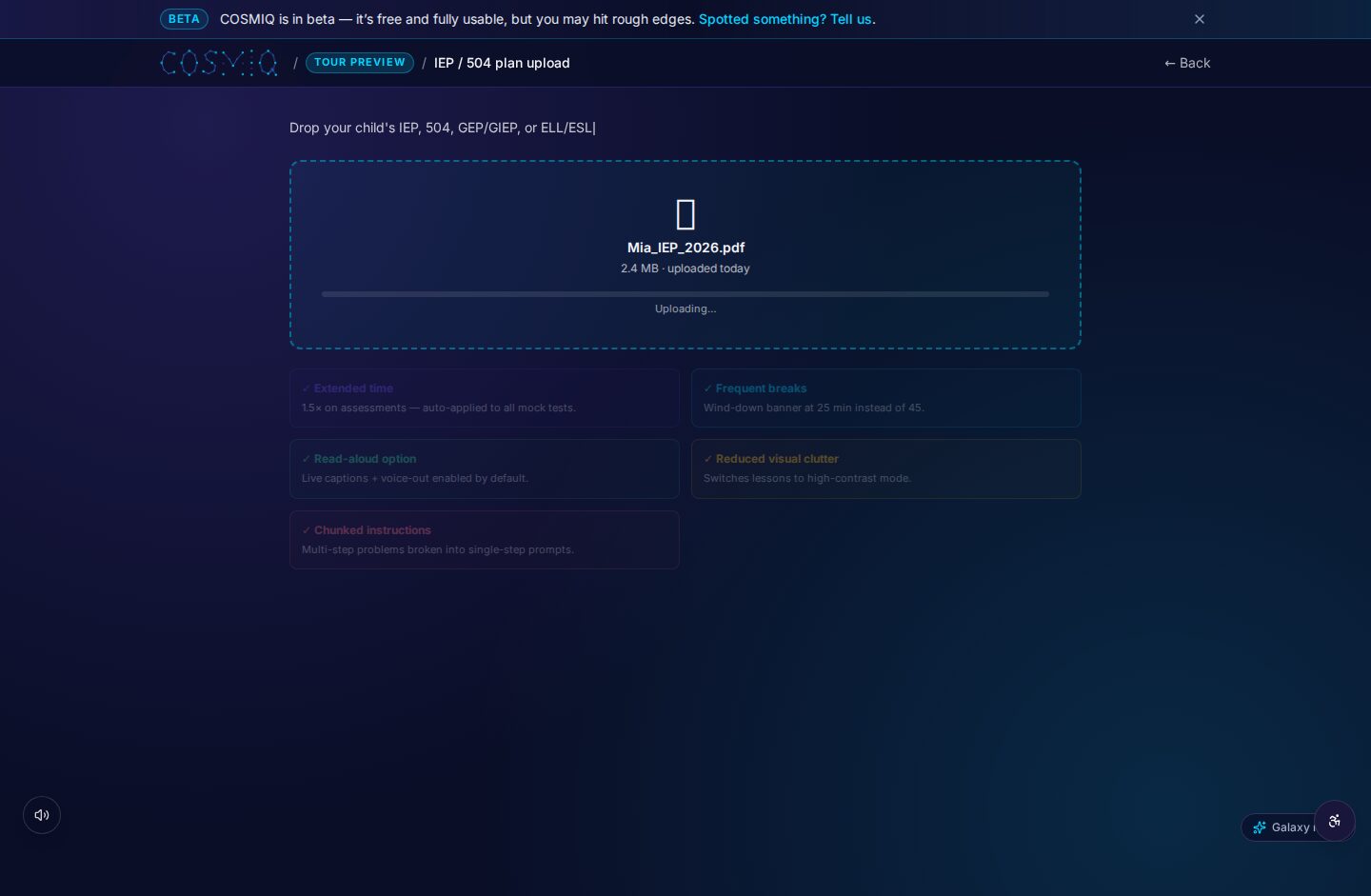
This type of software can help identify students who are falling through the cracks, offering tailored resources that can bridge the gap. For example, if a student is proficient in math but struggling in reading, tier 2 intervention software can provide specific reading exercises that address their weaknesses. Additionally, it can track the effectiveness of these interventions over time, allowing educators to adjust strategies as needed. When integrated with an AI tutor, the process becomes even more refined, ensuring that students receive exactly what they need.
In practice, this might look like a teacher receiving a notification from their tier 2 intervention software indicating that several students are not meeting their reading benchmarks. The teacher can then implement specific strategies recommended by the software, while the AI tutor provides additional practice and resources tailored for those students. This seamless blend of technology and teaching creates a supportive atmosphere where students can thrive.
The Impact of Title I Tutoring Programs
Title I tutoring programs are designed to help students from low-income families achieve academic success. These programs often have additional resources and support to ensure students get the help they need. However, managing these programs can be a challenge, especially in larger schools.
This is where the integration of AI tutors can come into play. With AI tutoring, schools can streamline the process of identifying students who qualify for Title I services, track their progress, and adjust their instructional strategies as needed. Imagine a scenario where students receive personalized tutoring that adapts to their learning style and pace while also being monitored for effectiveness by the school’s RTI software. The result? A robust support system that addresses the unique challenges faced by Title I students.
Take, for instance, a Title I school that previously struggled with high dropout rates. By incorporating AI tutors into their tutoring programs, they could provide targeted support that is accessible even outside school hours. Students could use the AI tutor at home, receiving instant feedback and help with assignments. As a result, engagement increased, leading to better performance and retention rates.
Real-World Applications of AI Tutors
You might wonder how AI tutors function in real-world settings. Let’s take a look at a few examples. Some schools have begun piloting AI tutoring programs that provide supplemental instruction in subjects like math and reading. For instance, students can engage with an AI platform that gives instant feedback on their work and suggests areas for improvement.
In one case, a middle school in California implemented an AI tutor alongside its existing curriculum. The results were promising: students who used the AI tutor showed a 20% improvement in their standardized test scores compared to those who did not. This is not just about numbers; it’s about building confidence in students who may have felt left behind. The platform adapts to each student’s pace, ensuring that they grasp foundational concepts before moving on to more advanced topics.
Another school district in Texas adopted an AI tutoring program to enhance its science curriculum. By analyzing historical data, the AI identified common misconceptions among students regarding scientific principles. The tutor then provided targeted lessons to address these gaps. Teachers reported noticing a marked improvement in students' understanding and engagement during science classes, demonstrating how AI can complement traditional teaching methods.
Challenges and Considerations
Of course, integrating AI tutors into schools isn’t without its challenges. There’s the initial cost of implementation, training for teachers, and the necessity of ensuring that the technology aligns with the curriculum. Not to mention, there's a natural apprehension about relying too much on technology.
However, these challenges can be mitigated. Schools can start small, piloting AI tutors in select classrooms before expanding. Training sessions can equip teachers with the skills they need to make the most of these tools. After all, technology should enhance, not replace, the human element of teaching. Schools should also consider fostering a culture of collaboration among teachers, enabling them to share best practices and strategies for implementing AI tutors effectively.
Additionally, addressing data privacy concerns is essential. Schools must ensure that student data is protected, and appropriate safeguards are in place. Transparent communication with parents about how their children’s data will be used and protected can help build trust in these new technologies.

Looking Ahead: The Future of AI in Education
The future of AI in education looks promising. As technology continues to evolve, we can expect more sophisticated AI tutors that not only help students learn but also assist teachers in refining their instructional methods. Imagine an AI that could analyze classroom dynamics and suggest changes to improve engagement. This could lead to a more customized teaching experience that caters to the varied learning styles present in any given classroom.
But it’s not just about AI tutors. Schools need to adopt a holistic approach, integrating MTSS software, RTI, and tier 2 intervention software into their academic strategies. By doing so, we can create an environment where every student has the opportunity to succeed. The collaboration of these technologies can lead to a more cohesive support system that addresses the diverse needs of the student population.
Moreover, as AI continues to advance, we may see the emergence of predictive analytics in education. Schools could potentially leverage AI to forecast which students might need additional support based on their early performance indicators. This proactive approach could be revolutionary, allowing educators to intervene before students fall too far behind.
Considerations for Implementation: Best Practices
As schools consider implementing AI tutors and related technologies, there are several best practices to keep in mind. First, involve stakeholders early in the process. Teachers, administrators, and even students can provide valuable insights into what they need from an AI system.
Second, prioritize training and support for teachers. An AI tutor is only as effective as the educators who use it. Providing thorough training sessions not only on how to use the software but also on integrating it into existing teaching practices is crucial. This might include workshops, ongoing support, and collaboration sessions to discuss progress and challenges.
Third, maintain flexibility and adaptability in the implementation process. Each school is unique, and what works for one might not work for another. Therefore, being open to adjusting the approach based on feedback and results is key. Regularly assessing the effectiveness of the AI tutor and other software will help in fine-tuning the approach and ensuring that it meets the needs of students and teachers alike.
Final Thoughts on AI Tutors in Schools
The time for AI tutors built for schools is now. They aren't just tools for students; they’re essential components of a broader educational strategy. By leveraging technology like MTSS software, RTI software for teachers, and tier 2 intervention software, schools can provide a more comprehensive and personalized learning experience.
As we navigate this transition, schools must keep their focus on the ultimate goal: empowering students to reach their potential. With the right resources in place, including AI tutors, the future of education can be brighter than ever. The real question isn’t whether AI tutors will become ubiquitous in our schools, but how effectively we can integrate them to enhance learning outcomes for all students. With thoughtful implementation, the possibilities are endless.
Related resources: AI tutor for schools · Title I tutoring · MTSS tier 2 intervention · MTSS tier 2 intervention
Learn anything, free.
COSMIQ is a free, voice-driven AI tutor for every learner. No credit card, ever.
Start learning free →