The AI Whiteboard That Draws Out Every Concept as You Learn

Understanding the Role of AI in Learning
Education has always evolved with technology. Remember the days of chalkboards and overhead projectors? Now, we’re entering an era where artificial intelligence is transforming the educational landscape. Picture this: an AI whiteboard tutor that adapts to your learning style, drawing out every concept as you go along. Sounds like science fiction? It’s becoming a reality. This blend of technology and education can tailor learning experiences like never before.
Why should you care? Well, think about it. Traditional classrooms often struggle to meet individual needs. Some students fly through concepts, while others need more time to grasp the basics. With a virtual chalkboard tutor, you can have a personalized educational experience that keeps pace with your abilities. It’s not just about faster learning; it’s about deeper understanding.
How AI Whiteboard Tutors Work
So how does this AI whiteboard tutor actually function? At its core, it utilizes machine learning algorithms to analyze your responses, preferences, and pace. Imagine you’re solving a math problem and taking a little too long on a particular step. The AI math whiteboard picks up on this and adjusts the upcoming lessons accordingly, perhaps providing additional resources or breaking down the steps further.
This is more than just technology; it’s like having a personal tutor available 24/7. The interactive whiteboard tutor is designed to engage you actively. It might use visual aids, animated explanations, or even quizzes to ensure you're grasping the material. No more passive learning; you’re actively engaged in the process.
To illustrate, consider a scenario where a student struggles with fractions. The AI math whiteboard can detect hesitation and modify the lesson instantly. It might provide a video tutorial on fraction basics, complete with colorful animations that visually demonstrate how to add or subtract fractions. By breaking the topic into bite-sized pieces, the AI tailors its approach based on individual learning needs.
Furthermore, the technology behind these AI tutors is constantly evolving. Depending on how you interact with the system, it fine-tunes its algorithms to ensure that the content remains relevant and challenging. If you breeze through basic addition but struggle with long division, the AI can focus more on those complex topics while reinforcing your strengths.
Benefits of Using an AI Math Whiteboard
Let’s dig into the specific benefits of using an AI math whiteboard. First off, the instant feedback. When you make a mistake, the AI is right there to help you understand why. This immediate correction prevents the reinforcement of bad habits. If you stumble on a problem, instead of moving on, the tutor can offer targeted exercises that tackle your weak spots.
Secondly, everyone learns differently. Some students are visual learners, while others grasp concepts better through auditory explanations. An interactive whiteboard tutor can adapt its teaching style to fit yours. If you prefer diagrams or sketches, the AI can create them on the fly, making concepts more tangible. This kind of personalized attention is often lacking in traditional educational settings.
To further illustrate, think about a student who excels at geometry but struggles with algebra. Instead of going through a one-size-fits-all curriculum, the AI math whiteboard can provide geometry-centric problems and gradually introduce algebraic concepts using visual aids that relate to what the student already understands. This tailored approach can significantly enhance comprehension.
Let’s not forget the potential for gamification. Many AI math whiteboards incorporate game-like elements, making learning fun and engaging. You could earn points for completing tasks, unlock new levels as you master subjects, and even compete with friends in friendly challenges. This not only makes learning enjoyable but also motivates students to strive for improvement.
Real-world Applications of AI Whiteboard Tutors
In the real world, the applications of an AI whiteboard tutor are vast. Imagine a classroom where every student is equipped with a tablet, and the teacher uses an interactive whiteboard to engage everyone simultaneously. This setup allows for a collaborative learning environment where students can work together on problems, with the AI offering real-time feedback and support.
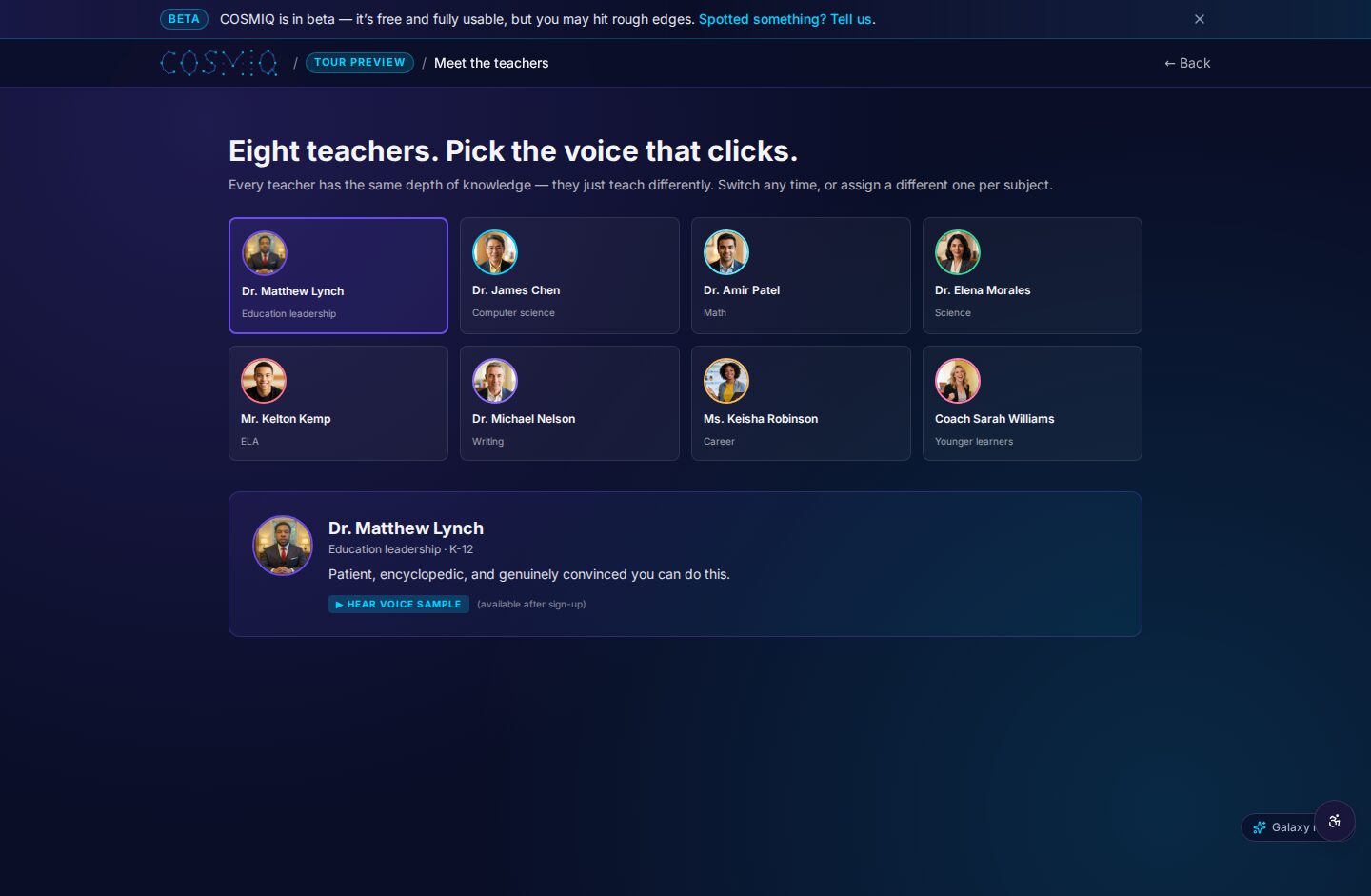
Another application is in remote learning. With the rise of online education platforms, a virtual chalkboard tutor can bridge the gap between students and educators. It makes remote learning feel less isolating. You can see your peers’ responses, ask questions, and even compete in friendly challenges, all while the AI tracks your progress and adapts the lessons to keep you on track.
In many cases, companies are also harnessing this technology for corporate training programs. Imagine a workplace where new employees undergo training with an AI whiteboard tutor that tailors content based on their job roles. For instance, a software developer could receive programming lessons adapted to their previous experience, while a marketing professional might focus on data analytics and consumer behavior. This customization makes training more relevant and engaging.
Beyond education and corporate training, consider how these tools can revolutionize tutoring businesses. Private tutors can use AI whiteboard technology to enhance their sessions. By analyzing a student's progress through the AI, they can better understand areas of struggle and adjust their teaching accordingly. Moreover, the data collected can inform parents about their child's progress, fostering a collaborative atmosphere.
Challenges and Limitations of AI Tutors
Of course, no technology is without its challenges. One significant limitation of an AI whiteboard tutor is the need for quality data. The AI's effectiveness largely depends on the data it’s trained on. If the dataset is biased or lacks diversity, the learning experience may not be as effective for all students. Ensuring that AI systems are trained on a broad spectrum of learning styles is crucial.
Moreover, while AI can be incredibly supportive, it can’t replace the human touch. The nuances of teaching—like understanding a student's emotional state, providing encouragement, and tailoring lessons based on personal experiences—are still essential. Therefore, the best approach may be a blend of human and AI-driven education, where teachers utilize AI tools to enhance their own teaching.
Another challenge lies in accessibility. Not every student has equal access to technology or reliable internet connections. In areas where resources are limited, relying heavily on AI whiteboard tutors could widen the educational gap. Schools and communities need to address these disparities to ensure everyone benefits from such advancements. Enhancing infrastructure and providing necessary resources is vital.
Furthermore, there’s also the risk of over-reliance on technology. When students come to depend wholly on an AI whiteboard tutor, they might miss out on the critical skills of independent problem-solving and critical thinking. A balance must be struck, ensuring that while technology aids learning, it doesn’t become a crutch.
Future of AI in Education
Looking ahead, the potential for AI in education seems boundless. Picture classrooms where AI whiteboard tutors not only teach but also mentor students through their educational journeys. These tutors could analyze long-term learning patterns, helping students set and achieve academic goals. Imagine the possibilities if we could leverage AI to address learning gaps before they widen.
Furthermore, as AI technology continues to evolve, we might see tutors that are even more intuitive and responsive. They could predict when students are likely to struggle and proactively offer resources or alternative teaching methods before an issue arises. This proactive approach could change the way we think about education entirely.
Consider a future where students can interact with their AI whiteboard tutor through voice recognition. They could ask questions naturally, just like they would with a human tutor, and receive tailored responses. This level of personalization could make learning feel more like a conversation than a chore, fostering a deeper connection to the material.
It’s also worth thinking about how AI can facilitate collaboration amongst students. Imagine a shared virtual space where learners from different backgrounds and locations can come together, guided by the same interactive whiteboard tutor. They could brainstorm, solve problems in teams, and even engage in discussions, all while the AI monitors group dynamics and helps keep conversations productive.
Integrating AI Whiteboard Tutors into Traditional Classrooms
As we explore the future of education, the crucial question arises: how can we effectively integrate AI whiteboard tutors into traditional classrooms? It's not just about having the technology; it’s about strategically implementing it to enhance the existing curriculum. Collaboration between educators and AI developers is essential to create tools that genuinely meet classroom needs.
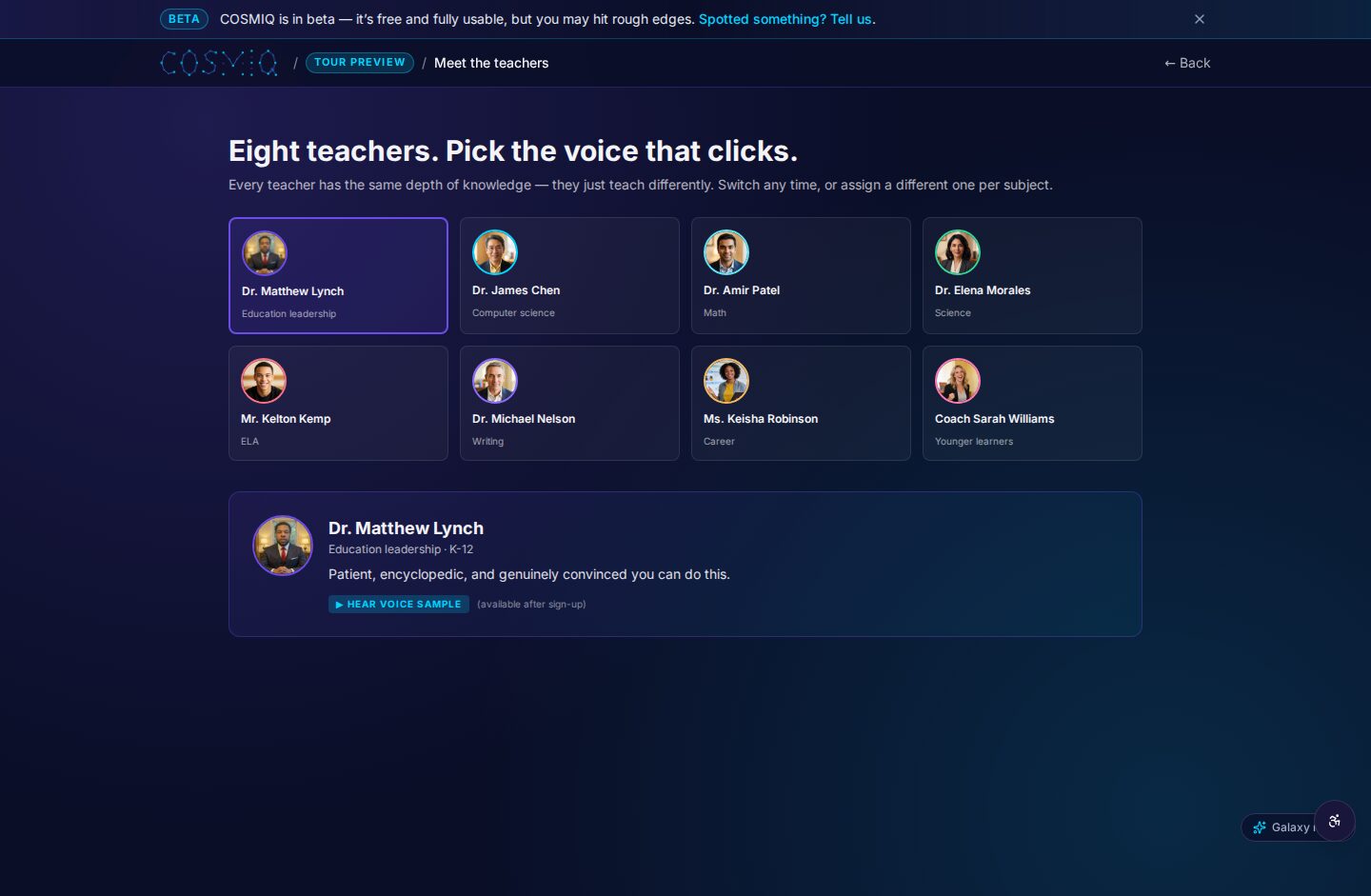
One way to achieve this integration is through professional development for teachers. Educators need training not only on how to use the technology but also on how to interpret the data that AI whiteboard tutors provide. For instance, if an AI tool shows that a significant number of students are struggling with a particular topic, teachers can adjust their instruction accordingly or provide additional resources.
Imagine a scenario where a teacher is preparing for a lesson on algebra. By analyzing the data from the AI math whiteboard, they discover that most students are struggling with quadratic equations. Armed with this information, the teacher can design activities that specifically address these challenges, ensuring that students receive targeted support.
Additionally, fostering a culture of experimentation in schools would encourage educators to explore various teaching methods alongside AI tools. Teachers could share their successes and challenges with integrating the interactive whiteboard tutor into their classrooms, allowing for a collaborative approach to enhancing educational outcomes.
Ethical Considerations in AI Education
As we embrace AI in education, it’s crucial to navigate the ethical landscape surrounding its implementation. With data privacy becoming a growing concern, students and parents need assurance that their information is handled responsibly. Schools must work with AI developers to ensure that data protection measures are in place, promoting transparency in how information is collected and used.
Another ethical consideration is the potential for bias within AI algorithms. If an AI whiteboard tutor is trained on biased data, it could lead to unfair learning experiences for certain groups of students. This is why it’s essential for developers to engage diverse populations during the training process and continuously evaluate their algorithms for fairness.
Moreover, as we integrate AI into education, educators must remain vigilant about ensuring equitable access to these tools. If some students lack the necessary technology or internet connectivity while others flourish in a tech-rich environment, we risk exacerbating existing disparities. Policymakers need to allocate resources wisely to bridge these gaps and promote inclusive education.
Lastly, there’s a critical need for ongoing discussions around the role of teachers in an AI-driven classroom. As AI tutors take on more instructional responsibilities, how will this impact the teaching profession? Will teachers be relegated to mere facilitators, or will they continue to play a vital role in developing students' social and emotional skills? The answer will shape the future of education.
The Bottom Line: Is the AI Whiteboard Right for You?
So, is the AI whiteboard tutor right for you? If you’re a student seeking personalized attention or a teacher looking to enhance your classroom with innovative tools, the answer is likely yes. The interactive whiteboard tutor can provide the support you need to excel, whether in math, science, or any subject.
However, it’s essential to approach this technology with a discerning eye. While it offers many benefits, you should also be aware of its limitations. Embrace the technology, but remember that it’s just one piece of the educational puzzle. The real magic happens when you combine personal engagement with advanced technology.
As we stand on the brink of this educational revolution, think about your own learning journey. How might an AI whiteboard tutor change the way you approach difficult subjects? Could it empower you to tackle topics that once seemed insurmountable? The possibilities are as vast as your imagination. And as we adapt and grow alongside these technologies, the future of education looks more promising than ever.
In the end, the integration of AI whiteboard tutors in education may serve as a bridge between traditional learning environments and the demands of a rapidly changing digital world. As we navigate this landscape, let’s not forget to stay curious, open-minded, and committed to fostering an inclusive learning environment for all.
Learn anything, free.
COSMIQ is a free, voice-driven AI tutor for every learner. No credit card, ever.
Start learning free →