The Biggest Back-to-School Challenge: Rebuilding a Learning Routine

The biggest back-to-school challenge is often rebuilding a reliable learning routine. After a break, students may be sleeping at different hours, spending less time reading or writing, and moving through the day without fixed deadlines. Returning to early mornings, classroom expectations, homework, activities, and social demands can feel overwhelming—even for students who usually do well at school.
This transition is not a sign that a learner is lazy or unmotivated. It is an adjustment period. The most helpful response is to make the routine visible, realistic, and gradual. Students, parents, and teachers can work together to reduce avoidable stress while helping learning habits return.
Why routines are so difficult to restart
A school routine asks students to manage many things at once: time, materials, attention, emotions, and communication. A student may understand the lesson but still struggle to remember an assignment, begin work independently, or get enough sleep to focus the next day.
The first weeks can be especially demanding because there are many new details to learn. New teachers, classrooms, subjects, transport arrangements, friendship groups, and expectations all use mental energy. For younger students, simply remembering what to pack can be a major task. For older students, balancing a heavier workload with exam preparation, clubs, sports, or part-time responsibilities can quickly create pressure.
It is also common for students to compare themselves with classmates who seem more prepared. That comparison rarely helps. A strong routine is not about doing everything perfectly from day one; it is about creating a repeatable system that makes the next right step easier.
Start with a small, workable system
When routines feel chaotic, adding a complicated productivity plan usually makes matters worse. Begin with a few anchors that happen at roughly the same time each day. These anchors create predictability and reduce the number of decisions a student has to make.
Choose three daily anchors
- A morning anchor: wake up, get ready, eat something if possible, and check what is needed for the day.
- An after-school anchor: take a short break, then look at assignments and choose one priority task.
- An evening anchor: pack the bag, prepare clothes or materials, and set a reasonable wind-down time.
These do not need to be identical every day. The goal is consistency, not rigidity. A student who has an activity after school may complete homework later, but can still follow the same sequence: check tasks, decide what matters most, work in a focused block, and prepare for tomorrow.

Make tasks specific
“Study science” is vague and easy to postpone. “Read pages 12–15 and answer questions 1–4” is clearer. Breaking work into concrete actions helps students begin, which is often the hardest part. A short list of two or three priorities is usually more useful than a long list that creates guilt.
- Write down every assignment in one place.
- Mark deadlines and estimate how long each task may take.
- Choose the most urgent or most challenging task first.
- Work for a manageable period, then take a brief break.
- Review what is left before ending the study session.
A paper planner, a calendar, or a simple notes app can all work. The best tool is the one a student will actually check.
Support focus without expecting perfection
Attention is a skill that improves with practice and supportive conditions. At the start of the school year, students may need to rebuild their ability to sit with a task, especially after a less structured break. Rather than demanding hours of uninterrupted work, use shorter focused sessions.
Students can try placing their phone out of reach during a work block, keeping only the needed materials on the desk, and deciding in advance what “finished for now” looks like. If a task feels too big, the first step can be very small: open the document, read the question, solve one problem, or explain one idea aloud.
Progress often begins when the task is made small enough to start.
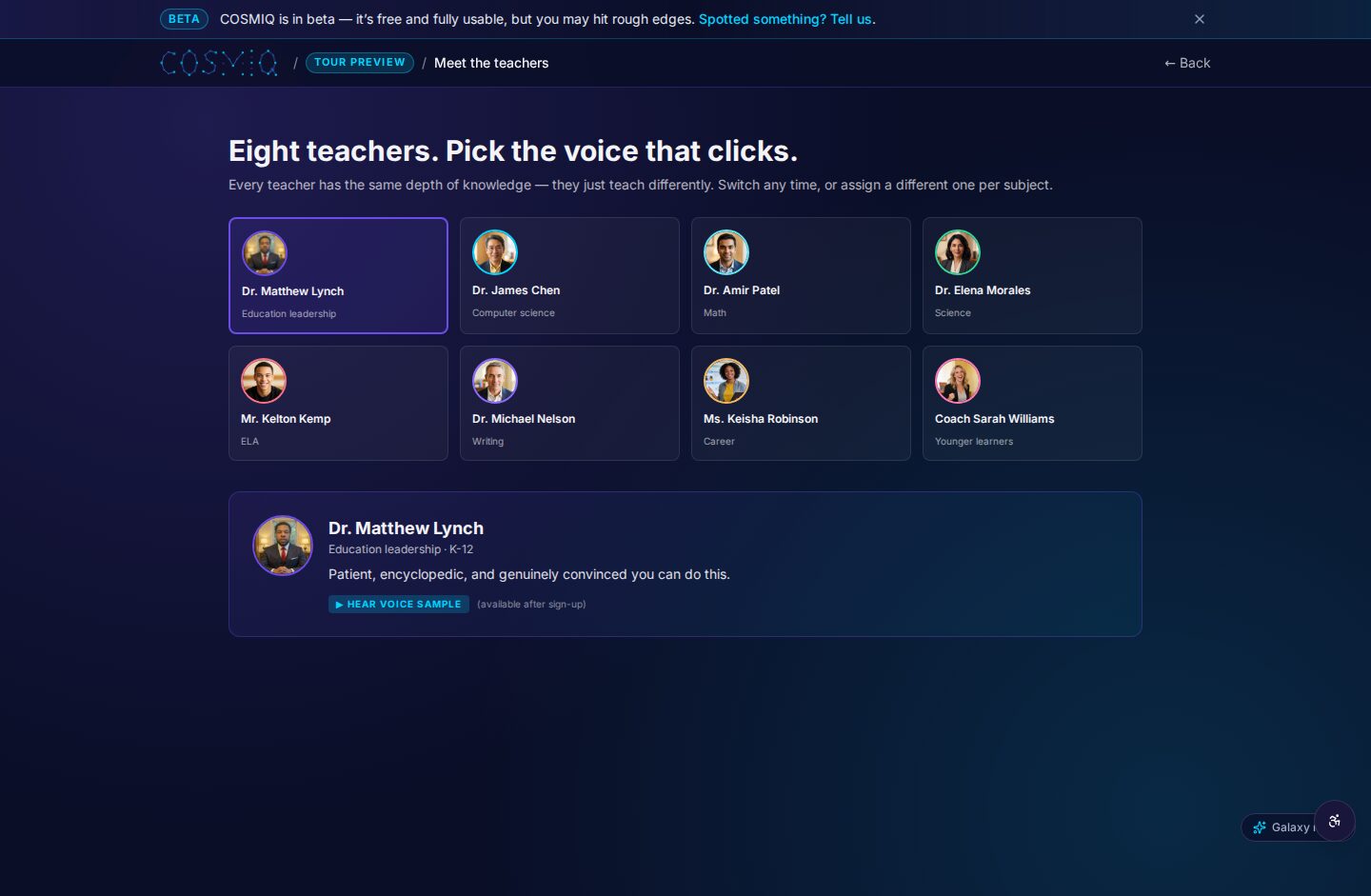
Voice-based learning can also be useful for students who think more clearly through conversation. Explaining a concept aloud, asking for a practice question, or talking through a confusing step can reveal what they understand and where they need more help. The aim is not to replace independent thinking, but to make practice more active and less isolating.
How parents and teachers can help
Adults can support routines without taking over. A useful question is, “What is your plan for getting this done?” rather than immediately solving the problem. This gives students room to build planning skills while showing that help is available.
For parents and caregivers
- Create a predictable time and place for schoolwork where possible.
- Check in briefly about deadlines, materials, and worries instead of repeatedly asking whether homework is finished.
- Notice effort, organization, and persistence—not only grades.
- Contact the school early if a student is consistently distressed, exhausted, or unable to keep up.
For teachers
- Make expectations, due dates, and success criteria easy to find.
- Break larger assignments into milestones when appropriate.
- Teach routines explicitly rather than assuming students already know them.
- Offer a calm opportunity for students to ask questions privately if they are confused or behind.
Students also need permission to communicate early. Asking for clarification, requesting help with planning, or explaining that a deadline feels unmanageable is more effective before the work has piled up. Learning to ask for support is part of becoming an independent learner.
End the day ready for the next one
A five-minute reset can prevent many rushed mornings. Before bed, students can check the next day’s schedule, pack required books or devices, charge what needs charging, and put important forms in a visible place. This small habit protects time and attention when the day begins.
Back-to-school success is rarely about a dramatic fresh start. It comes from ordinary habits repeated often enough to become easier. By focusing on a few dependable routines, students can meet the new school year with more clarity, confidence, and space to learn.
Learn anything, free.
COSMIQ is a free, voice-driven AI tutor for every learner. No credit card, ever.
Start learning free →