The Praxis Core Study Plan

When you think about starting your journey toward a teaching career, the Praxis Core is an essential stepping stone. It’s not just a test; it’s a gauge of your readiness for the classroom. Whether you're fresh out of college or looking to switch careers, you’ll want to approach this with a solid study plan. A well-structured plan can make all the difference in your scores and, ultimately, your confidence.
Understanding the Praxis Core Exam
Before you can create an effective study plan, you need to understand what the Praxis Core exam entails. The Praxis Core tests your skills in reading, writing, and mathematics. Each section assesses your understanding of basic skills that are crucial for educators. You might wonder, why is it necessary to take this exam? Well, many states require passing scores as part of teacher certification.
The exam comprises three individual tests: the reading test evaluates your ability to understand, analyze, and evaluate written material; the writing test measures your ability to write effectively; and the mathematics test assesses your problem-solving skills and understanding of basic mathematical concepts. Knowing what each section covers will help you focus your study efforts.
Each of these sections presents specific challenges. For instance, the reading section involves not just comprehension but also critical analysis of texts. You’ll often encounter passages that require you to decipher the author's intent or interpret figurative language. The writing test typically includes an essay prompt where you need to formulate an argument logically, ensuring that your writing is clear and cohesive. Lastly, the math section covers arithmetic, algebra, geometry, and data analysis, which might require you to revisit concepts you haven’t used since high school. Being aware of these details will sharpen your focus.
Setting Clear Goals
Once you've grasped the structure of the exam, it’s time to set some clear goals. What do you want to achieve with your study plan? Do you aim for a specific score or simply passing? Setting measurable goals will keep you motivated and focused. For example, if you're struggling with math, you might set a goal to improve your score by ten points in that section.
Break down these goals into smaller, manageable tasks. Instead of saying, "I want to prepare for the reading section," aim for something like, "I will complete two reading practice tests this week." Small wins contribute to your overall confidence and performance.
It's equally vital to not just focus on the results, but also on the process. For instance, if your goal is to master algebra, consider setting a timeline: "In two weeks, I will complete five algebra practice modules and review my mistakes with a tutor or study group." This approach allows you to see tangible progress, reinforcing your motivation to keep pushing forward.
Creating a Study Schedule
Now that you have your goals, let’s talk about scheduling. You’ll need to allocate specific times for studying each week. If you’re balancing work or other commitments, find pockets of time that work for you. Maybe it’s early mornings, lunch breaks, or weekends. Consistency is key. A little bit each day can be more effective than cramming.
Divide your schedule among the three subjects. Perhaps you study math on Mondays, reading on Wednesdays, and writing on Fridays. Stick to this rhythm, and you’ll start to see progress. Don’t forget to sprinkle in free praxis core practice materials, as they can help you grasp the types of questions you’ll see on the exam.
Consider using a planner or a digital calendar app to block out your study times. This visual representation allows you to see your commitments at a glance, which can help you avoid overcommitting to other activities that might interfere with your study times. And if something urgent comes up, don’t hesitate to adjust your schedule; flexibility can be just as important as consistency.
Using Quality Study Materials
The right study materials can make or break your preparation. Invest in reliable textbooks and choose resources that offer practice questions relevant to the Praxis Core exam. Online platforms often provide free praxis core practice tests, which can be a goldmine. They simulate the real test environment, helping you manage your time and stress levels.
But don’t just rely on one source. Mix it up! Use flashcards for vocabulary, online quizzes for math, and join study groups for writing feedback. Engaging with multiple resources will keep your study sessions fresh and can deepen your understanding of the material.
For example, if you're using textbooks, make sure they're up-to-date and aligned with the current Praxis Core standards. Look for review books that include test-taking strategies and tips for each section. Websites like Khan Academy can also be incredibly helpful, especially for math, where they offer instructional videos and practice exercises that adjust to your skill level.

Incorporating Practice Tests
Practice tests are a crucial part of any solid study plan. They not only help you assess your current knowledge but also familiarize you with the format of the questions. You might be thinking, "How do I know when to take these tests?" A good rule of thumb is to take a practice test at the beginning of your study plan to establish a baseline, and then regularly afterward.
After each practice test, take the time to review the results. Identify which areas you’re struggling with and adjust your study plan accordingly. If you notice consistent weaknesses in the writing section, for example, focus more on that area until you feel more confident. This iterative process will make your study more effective.
When taking these practice tests, simulate the testing environment as closely as possible. Set a timer and eliminate distractions, just like you would on test day. This not only helps with familiarity but also conditions you to manage your time effectively under pressure. Afterward, review not just the questions you got wrong but also the ones you got right, to ensure you fully understand why the correct answers are correct.
Staying Motivated and Accountable
Studying for the Praxis Core isn’t a sprint; it’s a marathon. You’ll face ups and downs along the way. Staying motivated is essential. One effective method is to find a study buddy. Having someone to share your goals with and hold each other accountable can make a huge difference.
Set milestones for your study plan and reward yourself when you achieve them. Did you finish a week of studying? Treat yourself to your favorite coffee shop or a new book. Recognizing your achievements keeps your morale high and makes the process enjoyable.
Also, consider joining online forums or social media groups related to the Praxis Core. These communities are rich with individuals who share their experiences, tips, and encouragement. The sense of camaraderie can be a significant motivator when you hit those inevitable rough patches.
Preparing for Test Day
As your test day approaches, shift your focus to preparation strategies. You’ve done the work; now it’s about maintaining your confidence. Rest well the night before and eat a nutritious breakfast. Arriving at the test center without feeling rushed or stressed can significantly impact your performance.
On the day of the exam, manage your time effectively. Each section has a time limit, so keep an eye on the clock. If you find yourself stuck on a question, don’t dwell too long. It’s better to move forward and come back if time allows. Remember that you’ve prepared for this. Trust your skills and instincts.
Additionally, consider preparing a test-day checklist. Include items like your ID, test confirmation, snacks, and water. Make sure you know the location of your test center and have a plan for how to get there on time. This preparation will reduce anxiety and help you focus on doing your best.
Reflecting on Your Experience
After taking the Praxis Core, take the time to reflect on your experience. What worked well, and what didn’t? Analyzing your approach gives you valuable insights for future challenges, whether they involve further exams or your teaching career.
Consider reaching out to others who have taken the exam, sharing tips or resources that may help someone else. The teaching profession is all about community, and your experiences can guide those who are following in your footsteps.
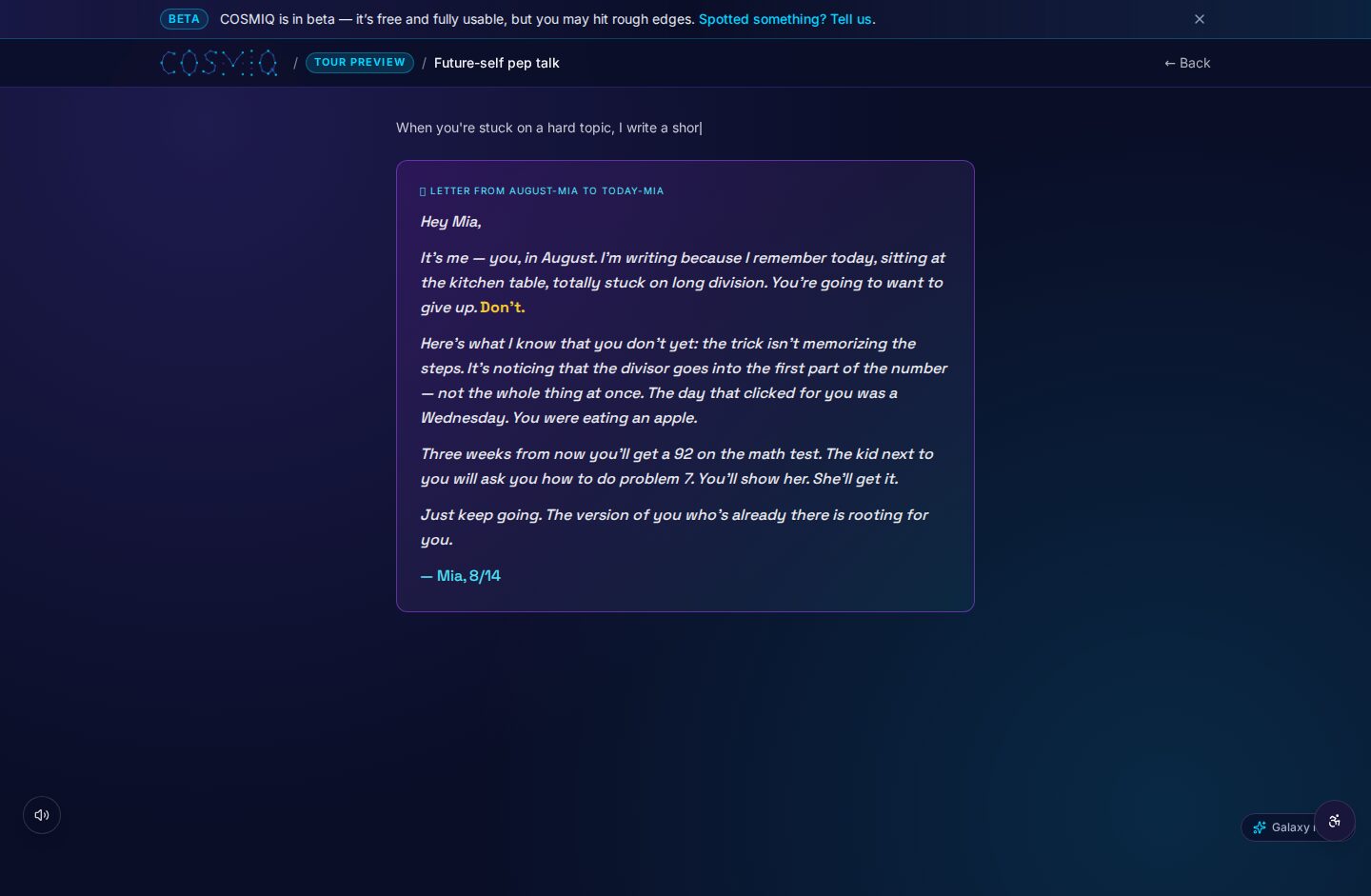
You might also want to keep a journal of your preparation journey. Documenting your successes, mistakes, and emotional highs and lows will give you not only a sense of closure but also a personal account that you can refer back to for future endeavors. Reflecting on this experience can help you identify strengths and weaknesses for future challenges.
Building a Support Network
One often overlooked aspect of preparing for the Praxis Core is the importance of building a support network. Surrounding yourself with people who understand your aspirations can provide emotional backing and practical assistance. Start by engaging with your peers who are also preparing for the exam; they can share resources and study tips.
Consider forming or joining a study group. This collaborative environment can be incredibly beneficial for brainstorming solutions to challenging problems and keeping each other accountable. If you don't have friends who are preparing, look into local education organizations or online communities. Many forums exist where you can connect with others in the same boat.
Another beneficial resource could be educators or mentors who have successfully navigated the Praxis Core themselves. They can offer insights not just on exam preparation but also on the teaching profession as a whole. Their guidance can help demystify the process and provide you with a roadmap to success.
Exploring Alternative Study Techniques
Traditional study methods work well for many, but exploring alternative techniques can also enhance your learning experience. Have you ever considered using visual aids? Diagrams, flowcharts, and mind maps can help make complex information more digestible. Especially in subjects like math, visual representation can clarify relationships between concepts.
Another powerful technique is teaching the material to someone else. When you explain a topic in your own words, it forces you to truly understand it. You could do this with a study buddy, or even teach an imaginary class to an empty room. This method can uncover gaps in your knowledge and reinforce what you do understand.
Incorporating technology can also enhance your study routine. There are numerous educational apps available that focus on specific skills you’ll encounter on the Praxis Core. Some apps provide interactive quizzes and immediate feedback, making learning engaging and efficient.
Maintaining Balance and Well-being
Amidst the hustle of study plans and practice tests, don’t forget the importance of maintaining balance and well-being. Stress can derail even the most diligent study plans, so it’s crucial to incorporate self-care into your routine. This can be as simple as taking regular breaks, going for walks, or practicing mindfulness.
Make sure to include physical activity in your schedule. Exercise is a proven stress reliever, and it helps to clear your mind. Whether it’s a quick jog, yoga session, or even dancing in your living room, keep your body moving. Your mind will thank you for it.
Lastly, prioritize sleep. Quality rest is essential for memory consolidation and cognitive function, which are both crucial for effective studying. Aim for a consistent sleep schedule, especially as your test day approaches. Your brain will be more alert, and you’ll retain information more effectively when you’re well-rested.
Preparing for the Praxis Core doesn’t have to feel overwhelming. With a solid study plan, clear goals, and effective materials, you’ll be well on your way to success. Keep the faith in your abilities, and remember that this is just one step on your journey to becoming an educator.
Related resources: praxis core prep · praxis core prep
Learn anything, free.
COSMIQ is a free, voice-driven AI tutor for every learner. No credit card, ever.
Start learning free →