The Role of Emotional Regulation in Successful Conflict Resolution

Conflict is part of life. Whether in personal relationships, at work, or even in casual interactions, disagreements are inevitable. What often sets successful resolutions apart is emotional regulation. Understanding how to manage your emotions can significantly improve your ability to resolve conflicts amicably. So, how does emotional regulation play into this complicated dance of disagreement and resolution?
Understanding Emotional Regulation
At its core, emotional regulation refers to the ability to manage and respond to your emotional experiences in a healthy way. This doesn’t mean suppressing emotions; rather, it’s about understanding, acknowledging, and appropriately expressing them. Think about it: have you ever reacted impulsively in a heated moment, only to regret it later? That’s the kind of scenario emotional regulation helps you avoid.
Emotional regulation involves several strategies. For instance, reappraisal allows you to reinterpret a situation to change its emotional impact. Instead of feeling threatened by a colleague's criticism, you might view it as constructive feedback. Techniques like mindfulness can also help you stay grounded, allowing you to observe your emotions without reacting impulsively.
Another effective strategy is emotional awareness. This means recognizing what you feel and understanding why you feel that way. When you're aware of your emotional state, you can choose healthier ways to respond. For instance, if you know you're feeling anxious about an upcoming meeting, you can take proactive steps, like preparing or practicing relaxation techniques beforehand.
Engaging in self-compassion is also vital in emotional regulation. When you treat yourself with kindness during difficult emotional experiences, it helps to mitigate feelings of shame or guilt that might otherwise cloud your judgment. Being able to acknowledge your own humanity allows you to approach conflicts with a more open and forgiving mindset.
The Connection Between Emotions and Conflict
Emotions are at the heart of conflicts. They inform our perceptions, shape our responses, and can escalate situations quickly. Think about a time you had a disagreement with a friend. Perhaps you felt angry or hurt, which led you to lash out instead of calmly discussing the issue. When emotions run high, logic often takes a back seat, making resolution difficult.
That’s why emotional regulation is so crucial. It provides the tools to navigate intense feelings and maintain a clearer perspective during a conflict. By managing your emotions, you’re less likely to say something you’ll later regret or make decisions based purely on anger or fear. Instead, you can approach the situation with a level head.
For example, consider a scenario where two colleagues disagree on a project approach. If one feels dismissed or undervalued, their emotions may lead them to react defensively, escalating the disagreement. However, if both individuals practice emotional regulation, they can express their feelings calmly and respectfully, focusing on finding common ground rather than getting caught up in their emotions.
Techniques for Emotional Regulation
So, how can you practice emotional regulation? Here are some effective techniques to consider. First, take a moment to breathe deeply when you feel a spike in emotions. Deep breathing can slow your heart rate and calm your mind, allowing you space to think before reacting.
Another strategy is to identify your emotional triggers. What situations cause you to feel defensive or upset? By recognizing these triggers, you can prepare yourself emotionally in advance, which makes it easier to regulate your responses when conflicts arise.
Journaling can also be a powerful tool. Writing down your thoughts and feelings can help you process them, making it easier to understand your emotional responses and why you react the way you do. This self-awareness is key to effective emotional regulation.
Engaging in physical activity can also help regulate emotions. Exercise releases endorphins, which can elevate your mood and reduce stress. It doesn’t have to be intense; even a brisk walk can clear your mind and help you approach conflicts with a more balanced perspective.
Additionally, practicing gratitude can shift your focus away from negative emotions. When you consciously acknowledge the good in your life, it can create a buffer against the stressors that typically ignite conflicts. This doesn't mean ignoring problems but instead fostering a more positive outlook.
Emotional Regulation in Practice: Real-Life Scenarios
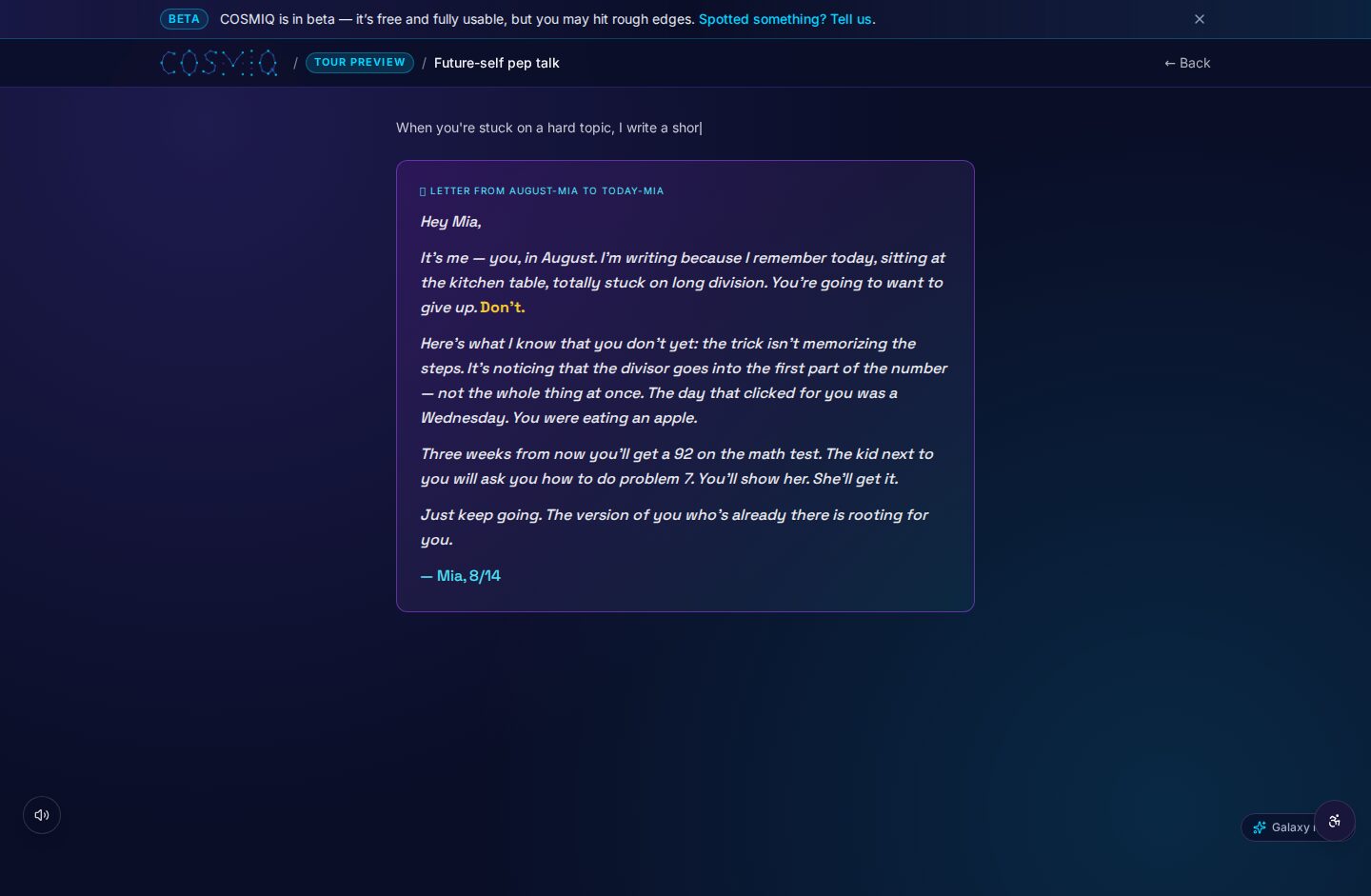
Let’s consider a workplace conflict. Imagine you’ve been given critical feedback by your manager. Your initial instinct might be to react defensively, but if you practice emotional regulation, you can take a step back. You might remind yourself that constructive criticism is an opportunity for growth. This shift in perspective allows you to engage in a more productive conversation.
In personal relationships, emotional regulation can prevent small disagreements from escalating into major arguments. For example, if your partner forgets to do something they promised, instead of expressing anger, you might choose to express your feelings calmly, allowing for a resolution without conflict spiraling out of control.
Consider a situation where a friend cancels plans at the last minute. You could feel disappointed or even betrayed. However, if you regulate your emotions, you might choose to reach out to them and express your feelings without blaming them or escalating the situation. This approach not only preserves the friendship but also fosters open communication.
Building Empathy Through Emotional Regulation
Another critical aspect of emotional regulation is its ability to foster empathy. When you manage your own emotions effectively, you can better understand the emotions of others. This understanding is essential for conflict resolution. If you can empathize with someone who is upset, you’re more likely to respond supportively rather than defensively.
For instance, if a colleague is frustrated about a project delay, instead of dismissing their feelings, you might acknowledge their concerns and suggest working together on a solution. This empathetic approach not only de-escalates the immediate conflict but also strengthens your relationship moving forward.
Empathy doesn’t just help in resolving conflicts; it also prevents future disputes. When people feel heard and understood, they are more likely to approach you openly in the future because they trust you will respond with compassion, rather than anger or judgment.
The Long-Term Benefits of Emotional Regulation in Conflict Resolution
Practicing emotional regulation doesn’t just help in resolving conflicts; it builds a foundation for healthier interactions in the long run. By honing these skills, you cultivate a more peaceful environment, whether at work or in your personal life. People begin to trust that you can approach conflicts with calmness and clarity, which encourages open communication.
Moreover, as you become adept at regulating your emotions, you’ll notice that conflicts happen less frequently. When people feel safe and understood, they’re less likely to react aggressively or defensively. This creates a culture of collaboration rather than competition.
Think about a team setting where emotional regulation is practiced. Team members feel empowered to share their ideas without fear of rejection. This openness fosters creativity, innovation, and a sense of belonging, which can lead to higher job satisfaction and productivity.
Integrating Emotional Regulation into Daily Life
How can you make emotional regulation a part of your daily routine? Start small. Incorporate mindfulness practices into your day, even if it’s just for a few minutes. Apps like Cosmiq or resources from Dr. Matt Lynch can guide you through effective mindfulness exercises to help you stay grounded.
Additionally, consider seeking feedback from trusted friends or colleagues about your emotional responses. Sometimes it takes an outside perspective to help you identify patterns in your behavior that you might not recognize yourself. This can be invaluable for growth and improvement.
You might also create a routine where you reflect on your day before bed. Spend a few moments considering your emotional responses to various situations. What triggered positive feelings? What led to frustration? By evaluating these moments, you can develop a deeper understanding of your emotional landscape.
Taking Action: Your Emotional Regulation Journey
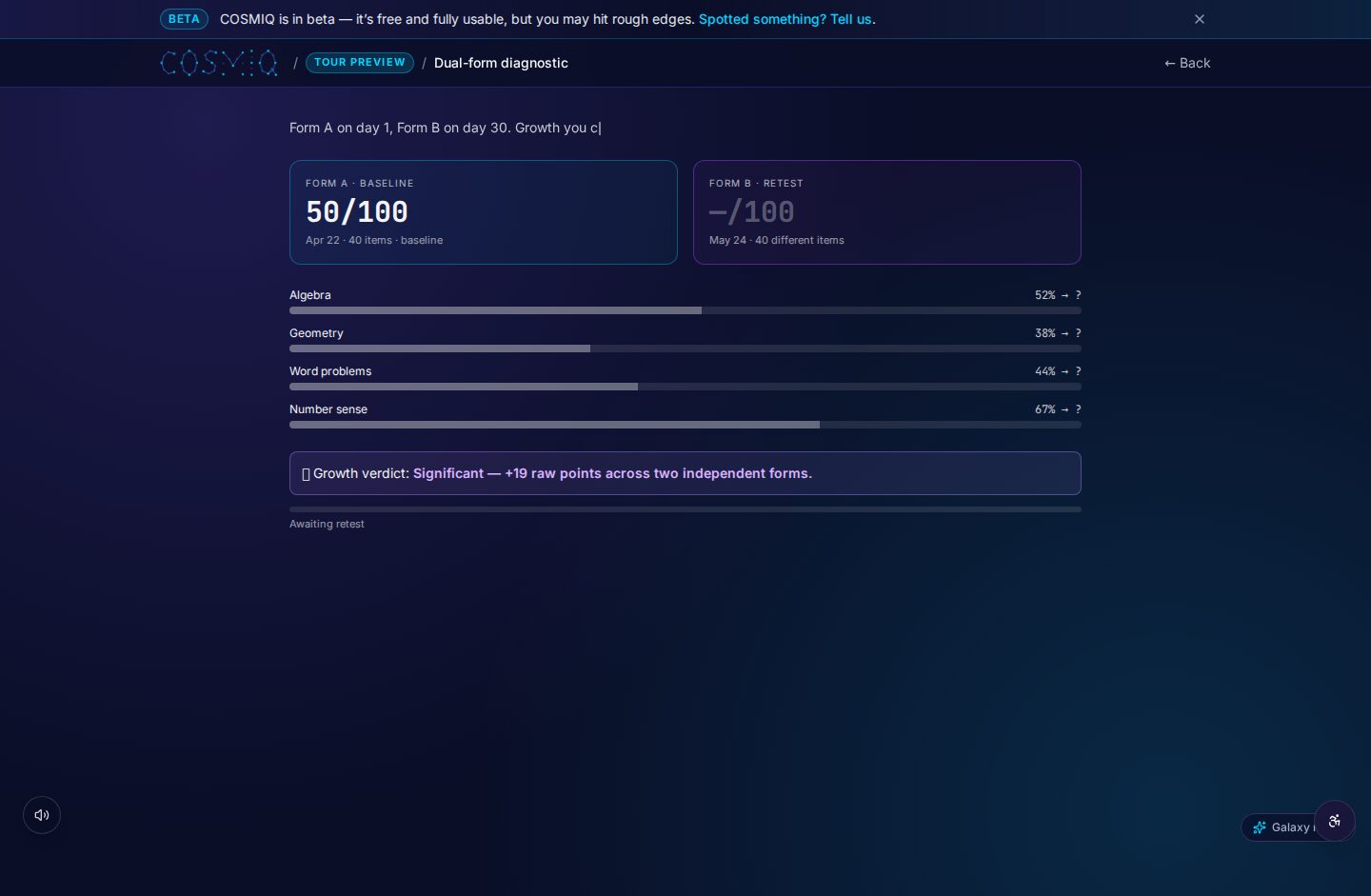
Understanding the role of emotional regulation in successful conflict resolution is just the beginning. The real work starts with taking actionable steps. Begin by setting personal goals for managing your emotions. Whether it’s practicing mindfulness, journaling, or seeking feedback, commit to making these techniques a regular part of your life.
Remember, it’s not about perfection. It’s about progress. Each time you handle a conflict with emotional regulation in mind, you're training yourself to respond more effectively in the future. The benefits will not only improve your relationships but also your overall emotional well-being.
As you move forward, celebrate your successes, no matter how small. Acknowledge the moments where you've effectively managed your emotions during conflicts, and use those experiences as motivation to keep going. Emotional regulation isn’t just a skill; it’s a lifelong journey that can lead to deeper connections and a more fulfilling life.
The Science Behind Emotional Regulation
Understanding the science of emotional regulation can provide a deeper appreciation for why it matters in conflict resolution. Research shows that our brains are wired to react to emotional stimuli quickly, often before we even have the chance to think logically. This is known as the 'fight or flight' response.
When faced with conflict, the amygdala, the part of the brain responsible for processing emotions, can trigger quick reactions that may not align with rational thinking. However, through emotional regulation, you can engage the prefrontal cortex, responsible for higher-thinking processes like reasoning and decision-making. This switch allows you to pause, assess the situation, and choose your response wisely.
For example, studies demonstrate that individuals who practice mindfulness exhibit better emotional regulation and, as a result, have improved interpersonal relationships. They are less likely to react impulsively, making them more effective at conflict resolution. This scientific backing reinforces the importance of emotional regulation in navigating disagreements.
Cultural Perspectives on Emotional Regulation
Different cultures approach emotional expression and conflict resolution in unique ways. In some cultures, expressing emotions openly is encouraged, while in others, restraint is valued. Understanding these differences is crucial, especially in diverse settings.
For instance, in collectivist cultures, maintaining harmony and avoiding conflict is often prioritized. Here, emotional regulation might manifest as a tendency to suppress negative emotions to keep the peace. On the other hand, in individualistic cultures, expressing emotions can be seen as a sign of authenticity and strength. This cultural context can greatly influence how individuals approach conflicts.
Being aware of these cultural nuances can improve your emotional regulation skills. When navigating a conflict with someone from a different background, consider how their cultural perceptions might shape their emotional responses. This understanding can enhance empathy and lead to more effective conflict resolution.
Final Thoughts on Emotional Regulation and Conflict Resolution
As we navigate the complexities of human interaction, emotional regulation stands out as a vital skill. It’s not just about resolving conflicts; it’s about fostering understanding, connection, and growth. The journey of mastering emotional regulation can transform not only how you handle conflicts but also how you relate to yourself and others.
Remember, emotional regulation is a skill that takes time to develop. Be patient with yourself as you practice these techniques. With commitment and reflection, you can build a toolkit that empowers you to approach conflicts with confidence, clarity, and compassion. So, embrace the journey of emotional regulation and watch how it enriches every aspect of your life.
Related resources: pedagogue.app · theedadvocate.org
Learn anything, free.
COSMIQ is a free, voice-driven AI tutor for every learner. No credit card, ever.
Start learning free →