The Role of Personalized Learning in Competency-Based Education Models

Understanding Personalized Learning
Personalized learning isn't just a buzzword in education; it's a transformative approach that tailors learning experiences to meet individual needs. Think about it: every student comes with unique strengths, weaknesses, interests, and learning styles. Personalized learning considers all of these factors. It allows students to engage with the material in ways that resonate with them personally. This isn't a one-size-fits-all model. Instead, it’s about adjusting the pace and style of learning based on the learner's preferences. For example, consider two students studying the same subject. One might grasp concepts quickly through visual aids, while the other benefits from hands-on activities. Personalized learning creates pathways for each to thrive. It encourages autonomy, enabling students to take control of their educational journey. Teachers play an essential role in this process, often acting as facilitators who help students navigate their learning paths, guiding them to resources that can ignite their curiosity. In a personalized learning environment, technology often plays a pivotal role. Digital platforms can provide tailored resources, quizzes, and feedback that adjust according to a student's progress. Imagine a student using an adaptive learning software that identifies gaps in their understanding and curates a specific set of lessons to bridge those gaps. This dynamic interaction keeps students engaged and allows for a more responsive educational experience.
Competency-Based Education Explained
Competency-based education (CBE) shifts the focus from traditional seat time to mastery of skills and knowledge. In this model, students advance upon demonstrating mastery of specific competencies rather than progressing based on age or grade level. This means that if a student excels in a particular subject, they can move on, while someone else may need more time to grasp a concept fully. CBE is built on the premise that learning should be personalized and flexible, allowing for different paces and styles. It’s like constructing a custom learning plan that fits the learner’s pace. Students have the opportunity to take charge of their education by setting personal goals and achieving them, making the education system far more student-centered. Consider a high school math class where students are not all working through the same textbook at the same time. Instead, they progress through modules at their own pace. A student who excels in algebra might breeze through early sections while another student takes extra time to master foundational skills before moving on. This flexibility means no student is left behind, and everyone can feel a sense of accomplishment as they conquer each module.
The Intersection of Personalized Learning and CBE
So, where does personalized learning fit into this picture? The intersection of personalized learning and competency-based education creates a powerful synergy. When you combine the two, you have an educational framework that not only addresses individual learning needs but also emphasizes the mastery of competencies. Imagine a classroom where each student is working on different projects tailored to their interests and competencies. One student might be delving into environmental science while another explores literature. Both are working towards mastering competencies but in ways that excite them. This approach doesn’t just cater to different learning styles; it fosters deeper engagement and motivation. Furthermore, technology enhances this blend. Platforms like [Pedagogue](https://pedagogue.app/) provide resources and tools that enable teachers to create personalized learning experiences within a CBE framework. These tools can track student progress and provide data-driven insights to fine-tune learning paths. By utilizing data analytics, educators can identify trends in student performance, adjusting curricula and instructional strategies accordingly. For instance, if a significant number of students struggle with a specific competency, teachers can implement targeted interventions, such as small group tutoring or additional practice materials. This immediate response not only supports struggling students but also enriches the learning environment for all.
Benefits of Personalized Learning in CBE
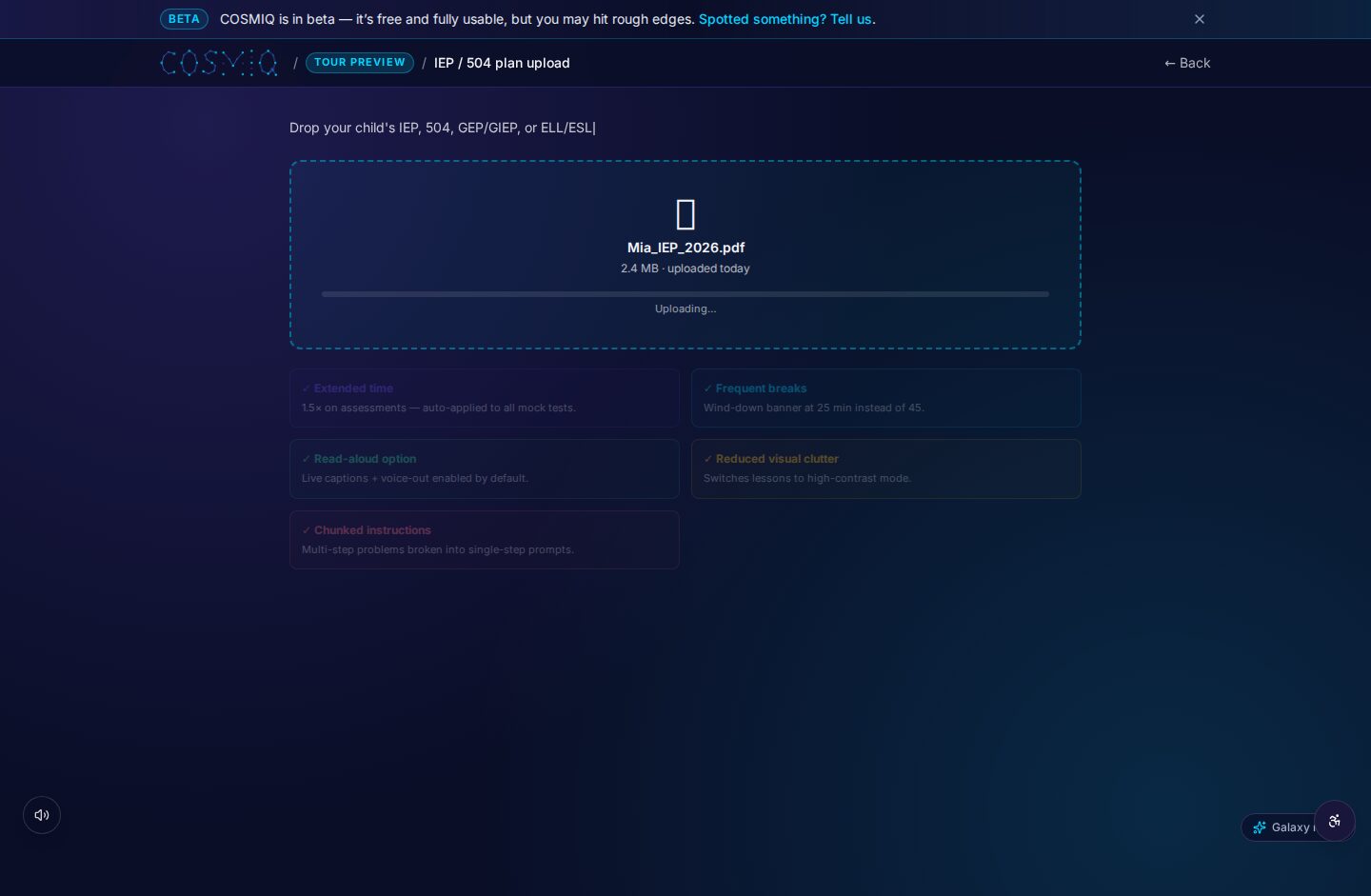
The advantages of integrating personalized learning within competency-based education are numerous. One of the primary benefits is increased student engagement. When students are actively involved in their learning and can see how it relates to their interests and future goals, they’re more likely to stay engaged. Another significant benefit is improved mastery of content. In traditional models, students often move on even if they don’t fully understand a concept. CBE, enhanced by personalized learning, allows for mastery before moving forward. This ensures that foundational knowledge is solid, which is crucial for future learning. Additionally, personalized learning fosters student independence. Learners are encouraged to set their own goals and monitor their progress, promoting self-regulation skills that are invaluable beyond the classroom. Instead of passively receiving information, students become active participants in their education. Take, for instance, a student who is passionate about coding. In a personalized learning environment, they might work on a project-based learning task that allows them to create a simple app. They would learn necessary coding skills while simultaneously working through the technical competencies required for their course. This not only solidifies their understanding but also keeps them motivated, as they see the real-world applications of their studies.
Challenges in Implementation
While the benefits are clear, implementing personalized learning within CBE models isn’t without challenges. One of the biggest hurdles is the need for teacher training. Educators must be equipped not just with content knowledge but with the skills to design and implement personalized learning plans. They must understand how to leverage technology effectively while also maintaining meaningful interactions with students. Furthermore, there’s the challenge of assessment. Traditional assessments often don’t align with personalized learning and competency-based models. Developing assessments that accurately measure mastery in a personalized context can be complex. Schools need to find ways to evaluate progress while respecting the individuality of each student’s learning journey. Finally, there’s the issue of resources. Some institutions may lack the technological tools necessary for implementing personalized learning effectively. This can create disparities, as students in well-resourced environments may have access to better personalized experiences than those in underfunded schools. For instance, a district lacking in funding might not be able to provide the same level of adaptive learning software or training opportunities for teachers, which can hinder the effectiveness of personalized learning initiatives.
Real-World Examples
Many schools and districts have embraced the combination of personalized learning and competency-based education with promising results. Take the example of Summit Public Schools in California. They utilize a personalized learning model that allows students to progress at their own pace. Students set individual learning goals, and the school provides the necessary resources and support to help them achieve these goals. The result? High levels of student engagement and improved academic outcomes. Another notable example is the New Hampshire model, which has become a leading state in adopting competency-based education. Schools there have developed frameworks that allow for personalized learning paths aligned with competencies. Students in New Hampshire can work on projects that reflect their interests, leading to a personalized yet standards-aligned education. The flexibility of this system has shown to increase student motivation and success rates. Let's also consider the work being done in several districts across Colorado, which have implemented personalized learning initiatives in tandem with competency-based education. Students are encouraged to take ownership of their learning through individual learning portfolios where they track their progress and reflect on their goals. This approach has not only been effective in engaging students but has also resulted in improved graduation rates and college readiness.
The Future of Personalized Learning in CBE
Looking ahead, the future of personalized learning within competency-based education models appears promising. As technology continues to advance, the tools available for educators will only improve, making it easier to create customized learning experiences. Additionally, as more schools adopt these models, the body of research supporting their effectiveness will grow, leading to wider acceptance and implementation. Collaboration among educators, administrators, and tech developers will be crucial. By sharing best practices and resources, schools can develop robust personalized learning strategies that cater to their unique student populations. For instance, professional development communities can foster collaboration among teachers who share successful practices in implementing personalized learning and CBE. Moreover, policymakers play a vital role in shaping the landscape. By advocating for policies that support personalized learning and CBE, they can help create an educational environment where all students can thrive, regardless of their starting point. Initiatives like funding for training programs, technology grants, and a focus on equitable access to resources can help level the playing field for all students. In the end, embracing personalized learning within competency-based education models isn’t just a trend; it’s a necessary shift towards a more equitable and effective educational system.
Creating a Culture of Personalized Learning
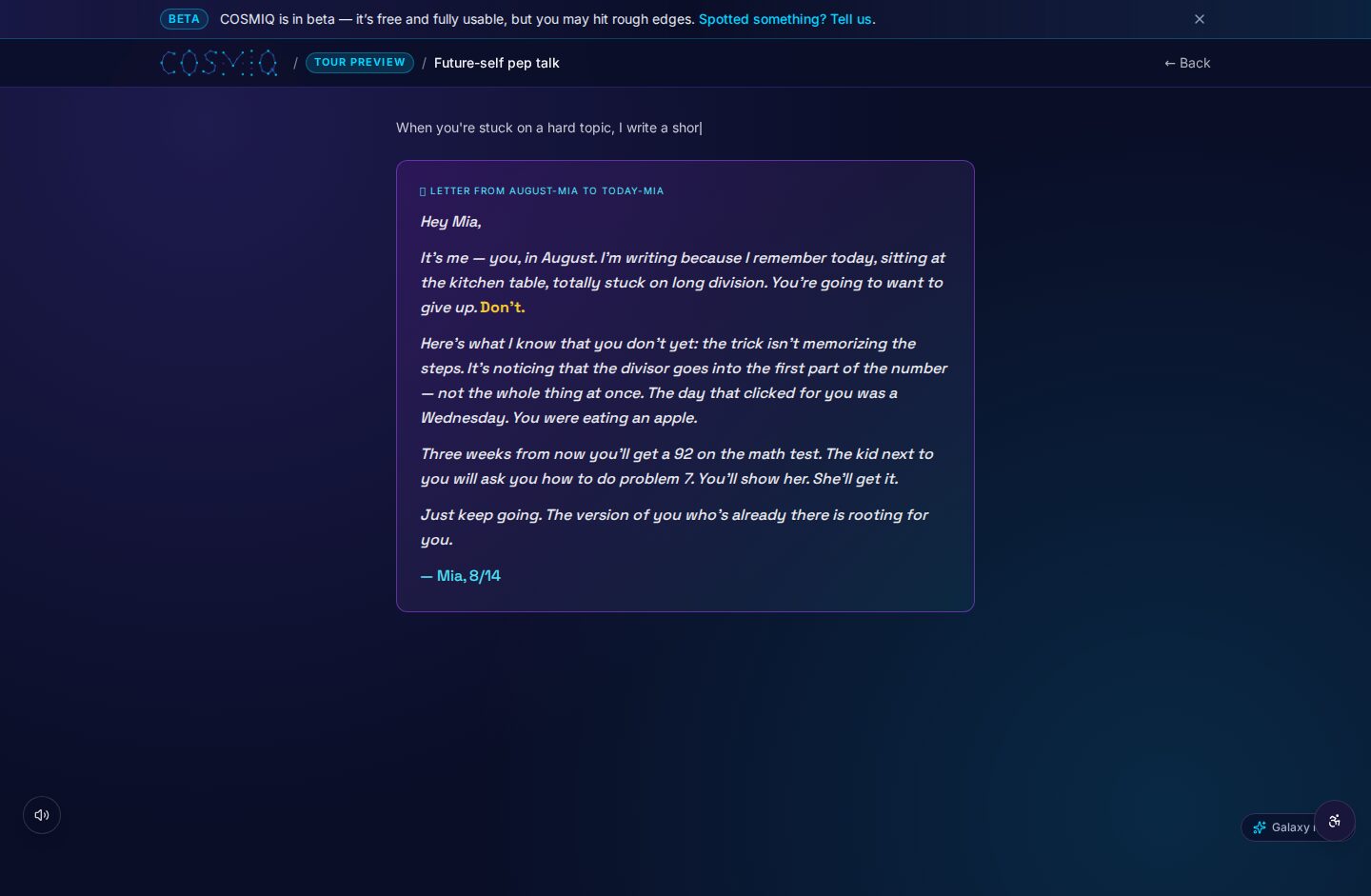
Establishing a culture of personalized learning requires buy-in from all stakeholders, including students, teachers, parents, and administrators. It starts with fostering an environment where students feel empowered to take risks and explore their interests. Schools can implement strategies such as flexible scheduling, allowing students to choose when to work on specific subjects or projects. This autonomy not only engages students but also encourages accountability. Teachers play a pivotal role in this cultural shift. Professional development should focus on equipping educators with the tools and mindsets necessary to support personalized learning. Workshops and collaborative planning sessions can allow teachers to share strategies and experiences, leading to a more cohesive approach across classrooms. Additionally, involving parents in the process is crucial. Schools can host informational sessions to explain the personalized learning approach, seek feedback, and involve families in goal-setting discussions with their children. Creating this supportive network contributes to a thriving learning culture where students are motivated to pursue their educational paths actively. As they see their efforts recognized and their progress celebrated, students are more likely to embrace the challenges of personalized learning.
Integrating Social-Emotional Learning with Personalized Learning
Personalized learning models can greatly benefit from integrating social-emotional learning (SEL) components. The focus on emotional intelligence and interpersonal skills complements the academic rigor of competency-based education. Educators can create experiences that not only promote academic mastery but also help students develop crucial social skills. For instance, schools can implement project-based learning experiences that require collaboration among students. By working in groups to solve real-world problems, students learn to communicate effectively, resolve conflicts, and work towards common goals. This integration of SEL into personalized learning not only enhances students' academic experiences but also prepares them for success in life beyond school. As schools prioritize SEL alongside academic competencies, they are likely to see improved student well-being and engagement. Research has shown that students who develop strong social-emotional skills perform better academically and are more likely to graduate. Thus, the combination of personalized learning, CBE, and SEL creates a holistic approach that supports students' overall development.
Related resources: drmattlynch.com · getcosmiq.app · theedadvocate.org
Learn anything, free.
COSMIQ is a free, voice-driven AI tutor for every learner. No credit card, ever.
Start learning free →