The Role of the More Knowledgeable Other in Vygotsky's Learning Theory

Learning is a never-ending journey, and understanding how we learn can truly change the game. One pivotal figure in educational psychology is Lev Vygotsky, whose theories on social constructivism have reshaped how we view the learning process. Central to his ideas is the concept of the 'more knowledgeable other,' or MKO. But what exactly does that mean for you as a learner or educator? Let's dig deeper into Vygotsky's learning theory and uncover the role that the more knowledgeable other plays.
What is the More Knowledgeable Other?
The term 'more knowledgeable other' refers to someone who has a better understanding or a higher skill level in a specific domain than the learner. This could be a teacher, a peer, a parent, or even a digital resource like an educational app. The MKO provides guidance and support, helping the learner bridge the gap between what they already know and what they need to learn. Imagine you're struggling with a math problem. Your friend, who excels in mathematics, sits down with you and explains the concepts in a way that clicks. That’s the MKO in action.
Vygotsky’s theory emphasizes the social aspect of learning. He believed that knowledge isn’t simply an individual endeavor; it’s built through interactions with others. The MKO plays a crucial role in this process, as they offer insights and perspectives that the learner might not have considered. This collaborative approach to learning is essential, particularly in a world that increasingly values teamwork and cooperation.
The Zone of Proximal Development (ZPD)
To grasp the role of the MKO fully, we must understand the concept of the Zone of Proximal Development (ZPD). The ZPD is the range of tasks that a learner can perform with the help of the MKO but cannot yet perform independently. Think of it as a bridge—one side represents what the learner can do on their own, while the other side showcases what they can achieve with guidance.
For instance, if a student can solve basic algebra equations but struggles with more complex problems, their ZPD includes those complex problems—with the right support. The MKO can provide that support by demonstrating problem-solving techniques, asking guiding questions, or providing resources. This interaction not only helps the learner tackle immediate challenges but also equips them with strategies for future learning.
The Importance of Social Interaction in Learning
Vygotsky argued that social interaction is fundamental to cognitive development. When learners engage with a more knowledgeable other, they are exposed to new ideas and ways of thinking. This interaction can take various forms, including dialogue, collaborative tasks, and even peer tutoring. Each method encourages the exchange of knowledge, further enriching the learning experience.
Consider a classroom setting where students work in pairs to complete a science project. One student may have read more about the topic, acting as the MKO while the other grasps the concepts more quickly through discussion and collaboration. Not only does this setup enhance understanding, but it also fosters critical thinking and problem-solving skills. By learning from each other, students develop a deeper understanding of the material.
Examples of More Knowledgeable Others in Learning Environments
In various educational settings, MKOs can take many forms. Teachers often play this role, guiding students through new concepts and providing scaffolding to support their learning. For example, during a writing workshop, a teacher might model how to construct a thesis statement, giving students a framework they can use to improve their writing.
However, MKOs aren't limited to teachers. Peers can also serve as valuable sources of knowledge. Group projects often allow students to draw on each other's strengths, making the learning experience richer. Even parents can act as MKOs by helping with homework or discussing ideas at home. In the digital age, educational apps and online resources also serve as MKOs, providing learners with immediate access to information and guidance.
The Role of Technology as a More Knowledgeable Other
In today’s world, technology has become an integral part of the learning process. With the rise of educational apps and online platforms, learners can easily access knowledgeable resources at their fingertips. These tools can serve as MKOs by offering explanations, tutorials, and interactive content that cater to different learning styles.
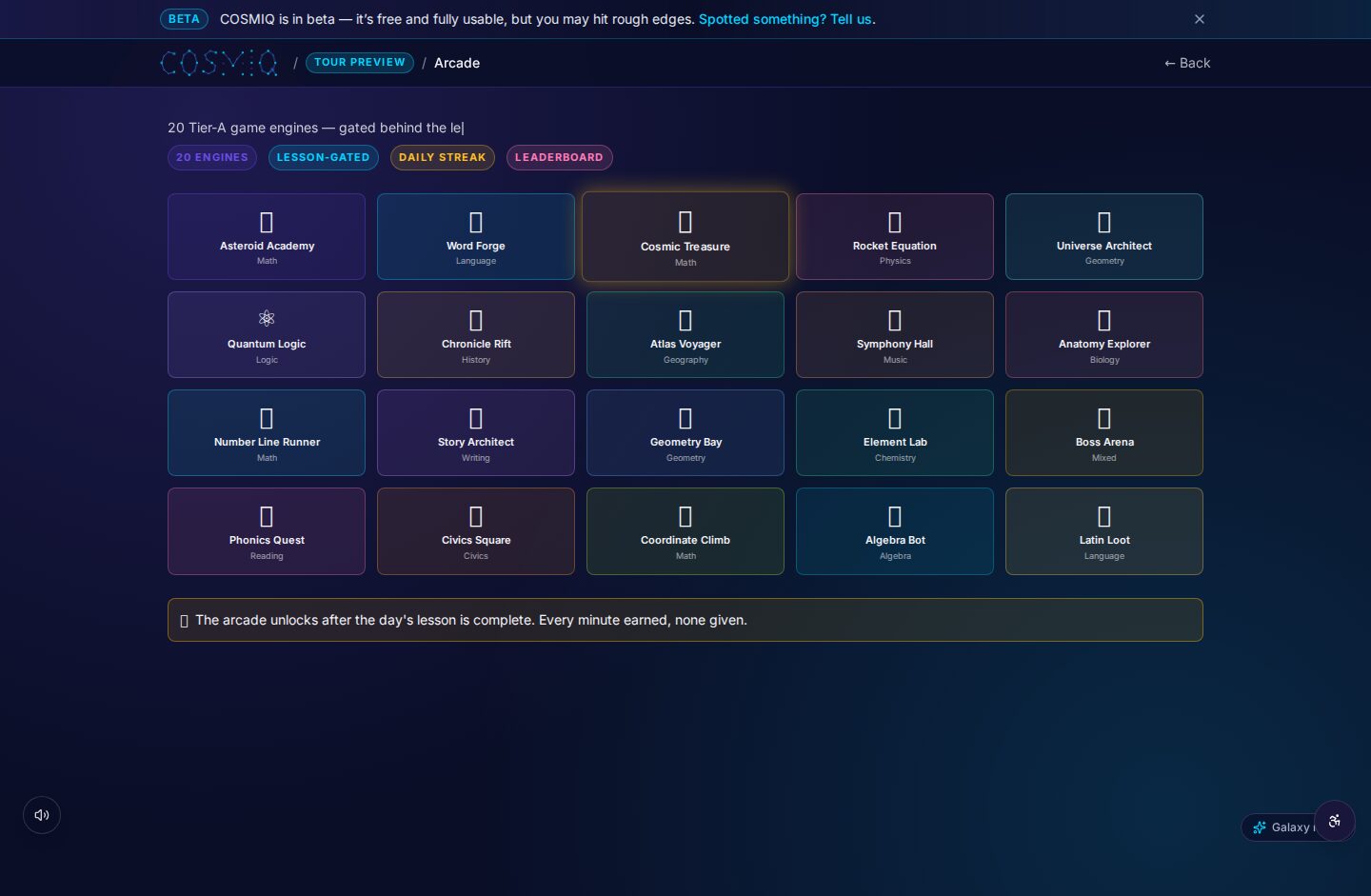
For instance, platforms like Cosmiq provide students with a wealth of information and the ability to ask questions, enabling them to find answers independently yet with support. This technology not only facilitates learning but also encourages learners to take ownership of their educational journeys. With a more knowledgeable other like an app, students can progress at their own pace, revisiting concepts as needed.
Challenges and Considerations in Utilizing MKOs
While the concept of the MKO is powerful, it also comes with challenges. Not all learners may feel comfortable reaching out for help, and some may struggle to find the right MKO for their needs. It's crucial to create an environment where asking questions and seeking assistance is encouraged.
Additionally, not every MKO has the same effectiveness. The quality of guidance provided matters. A teacher who is disengaged may not inspire learning, while a peer who lacks a solid understanding of the topic may lead a learner astray. Therefore, it’s essential to foster relationships with knowledgeable individuals who can offer genuine support.
Practical Strategies for Utilizing the More Knowledgeable Other
So, how can you make the most of the MKO concept in your learning or teaching practice? Here are some strategies to consider.

1. Encourage Collaboration: Create opportunities for learners to work together. Group projects or study sessions can facilitate peer-to-peer learning, where students can act as MKOs for each other.
2. Foster a Growth Mindset: Emphasize the importance of seeking help and learning from others. Celebrate the process of learning, not just the end result.
3. Leverage Technology: Utilize educational apps and online resources that provide guidance and support. Encourage learners to explore these tools as additional MKOs.
4. Build Relationships: Whether in a classroom or at home, foster strong relationships between learners and potential MKOs. A supportive environment encourages learners to seek help when needed.
5. Provide Training for MKOs: Equip teachers, parents, and older students with the skills to be effective MKOs. This might include strategies for scaffolding instruction or facilitating discussions.
Final Thoughts on the More Knowledgeable Other
The concept of the more knowledgeable other is vital in shaping how we understand learning. By recognizing the significance of social interactions and the support provided by MKOs, we can enhance our educational experiences. Whether you’re a student, teacher, or parent, you play a role in this dynamic.
So, as you embark on your learning journey, remember: don’t shy away from reaching out to those who can help you grow. Embrace the opportunities that collaboration and guidance bring. The more you engage with knowledgeable others, the richer your learning experience will be.
Related resources: support for learning
Learn anything, free.
COSMIQ is a free, voice-driven AI tutor for every learner. No credit card, ever.
Start learning free →