The Value Beyond Free: Why Quality Education Still Commands Investment

In an era brimming with free online courses, educational videos, and open-source learning platforms, the question naturally arises: if knowledge is so freely accessible, why do parents continue to invest substantial sums in their children's education? This isn't just about tuition fees for private schools or universities; it extends to coaching classes, supplementary materials, and even advanced online programs. The answer lies in understanding that while free resources offer incredible access, quality education provides a comprehensive ecosystem of learning that goes far beyond mere information dissemination.
Beyond Information: The Role of Structured Learning Environments
Free online resources excel at providing information. You can learn almost anything from a YouTube tutorial or an open educational resource. However, raw information, no matter how well presented, is only one component of true learning. Structured educational environments, whether traditional schools or high-quality online academies, offer:
- Curriculum Design and Progression: A well-designed curriculum ensures a logical and progressive learning path, building foundational knowledge before moving to more complex topics. This prevents gaps in understanding and provides a holistic view of a subject, something often lacking when learners cherry-pick free resources.
- Expert Guidance and Mentorship: Qualified educators do more than just deliver content; they interpret, explain, contextualize, and adapt. They understand learning theories, identify common misconceptions, and provide targeted feedback. This mentorship is invaluable for deep understanding and skill development.
- Peer Interaction and Collaboration: Learning is often a social process. Classrooms, both physical and virtual, provide opportunities for students to interact with peers, engage in discussions, collaborate on projects, and learn from diverse perspectives. This fosters critical thinking, communication skills, and social-emotional development.
- Assessment and Feedback: Effective learning requires regular assessment to gauge understanding and provide constructive feedback. While some free platforms offer quizzes, comprehensive assessment, detailed performance analysis, and personalized feedback from an expert are hallmarks of paid educational programs.
Personalization, Accountability, and Holistic Development
One of the most significant advantages of investing in quality education is the degree of personalization and support it can offer:
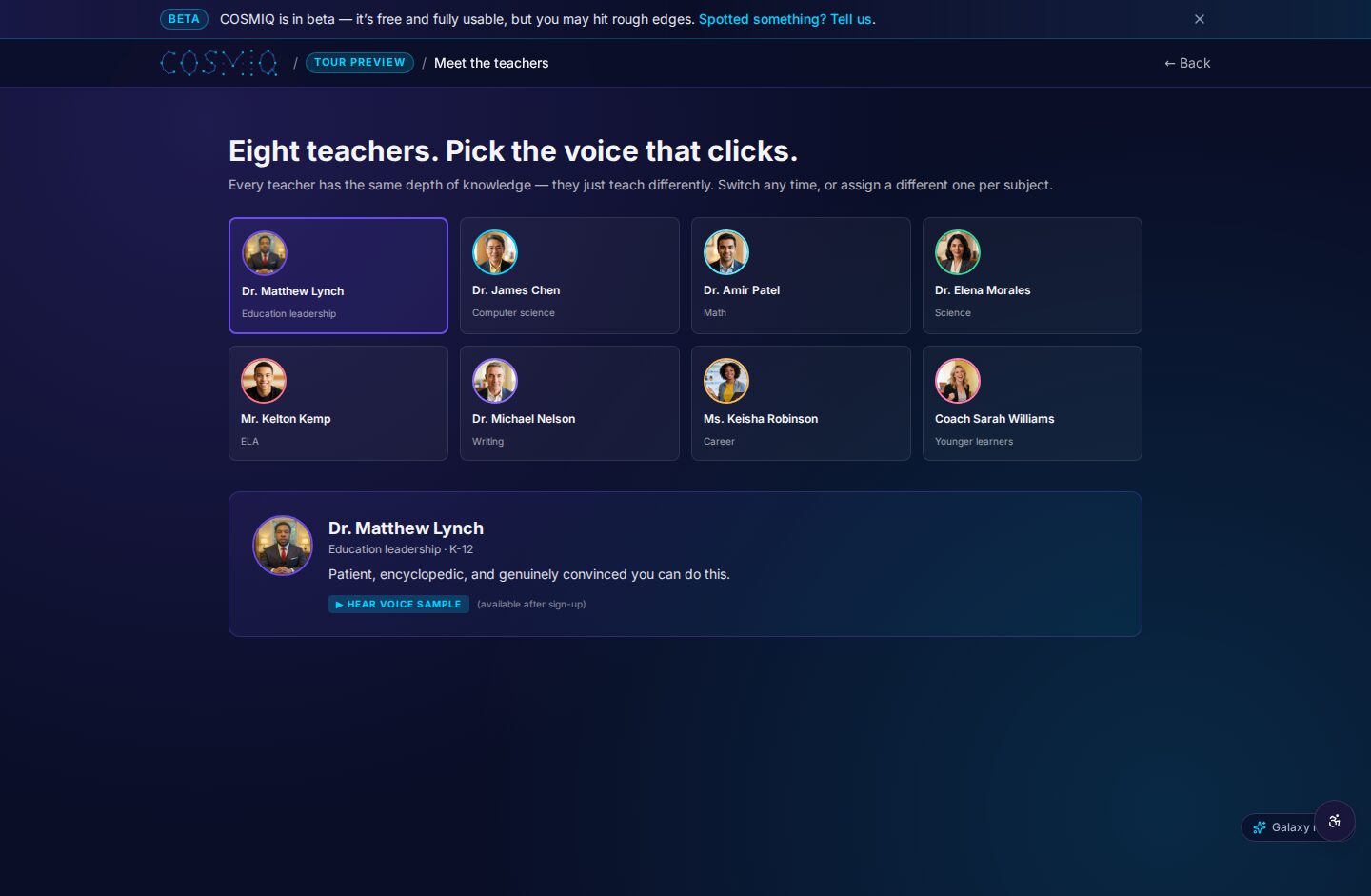
- Personalized Learning Paths: While free resources are generally one-size-fits-all, paid programs often offer tailored approaches, recognizing that each student learns differently. This can include individualized attention, adaptive learning technologies, and differentiated instruction to meet specific needs and learning styles.
- Accountability and Motivation: It's easy to start a free online course, but much harder to complete it. Structured education builds in accountability through deadlines, assignments, and regular check-ins, which are crucial for maintaining motivation and ensuring consistent progress. The investment itself can also be a powerful motivator for both students and parents.
- Holistic Development: Education extends beyond academics. Schools and comprehensive learning platforms often focus on developing life skills, critical thinking, problem-solving abilities, creativity, and character. They provide opportunities for extracurricular activities, leadership roles, and mentorship that contribute to a student's overall growth and well-being.
- Credibility and Recognition: Degrees, certifications, and strong academic records from reputable institutions still hold significant weight in higher education admissions and career progression. While free learning builds knowledge, formal qualifications often open doors to future opportunities.
The Complementary Nature of Free and Paid Resources
It's important to view free online resources not as a replacement for structured education, but as a powerful complement. Many students in paid programs effectively leverage free online content for supplementary learning, revision, or exploring topics of personal interest. The value parents pay for often includes:
- The curation and organization of vast information into a coherent learning journey.
- The expertise of dedicated educators who guide and inspire.
- The environment that fosters engagement, collaboration, and critical thinking.
- The support systems that ensure students stay on track and achieve their potential.
Conclusion
While the digital age has democratized access to information like never before, the investment parents make in education goes beyond mere content. They are investing in structure, expert guidance, personalized support, peer interaction, accountability, and the holistic development that prepares children not just for exams, but for life. Free online learning is a tremendous asset, but it often serves best when integrated into a broader, well-supported educational framework that provides depth, direction, and genuine mentorship.
Learn anything, free.
COSMIQ is a free, voice-driven AI tutor for every learner. No credit card, ever.
Start learning free →