Tier 2 Intervention Software: From Flag to Plan in Minutes

Understanding Tier 2 Interventions
If you’re in education, you’ve probably heard a lot about tiered interventions. But what does tier 2 intervention actually mean? Think of it this way: tier 1 is your first line of defense, addressing general needs in the classroom. However, when a student struggles despite those efforts, that’s where tier 2 comes in. It’s targeted, small-group instruction designed to give students the extra help they need. But just how do you implement effective tier 2 interventions? That’s where tier 2 intervention software steps in.
This software can help educators identify students who need extra support quickly and efficiently. You can flag students who are struggling, analyze their performance data, and then create a tailored plan to meet their needs. Sounds great, right? But how does it all come together? One way to think about it is to imagine a funnel: at the broad end, you have tier 1 interventions that apply to all students, and at the narrow end, tier 2 interventions, which are focused on those who are at risk of falling behind.
Implementing tier 2 interventions effectively requires not only identifying students in need but also understanding their specific challenges. For instance, two students might be struggling with reading, but one might have difficulties with phonics while the other struggles with comprehension. A well-designed tier 2 intervention plan will differentiate these needs. This is where tier 2 intervention software shines, allowing you to tailor your approach, ensuring students receive the support that directly addresses their unique challenges.
The Role of MTSS Software
Multi-Tiered System of Supports (MTSS) software is a game changer in the world of education. It allows schools to systematically address the needs of students by integrating academic and behavioral supports. With MTSS software, you can track student progress, assess needs, and adjust interventions accordingly. This flexibility is vital, as student needs can change rapidly, especially as they encounter new material or challenges.
Imagine a platform where you can input data, monitor a student’s journey, and see real-time results. This is the purpose of MTSS software. It helps teachers make informed decisions about which students require tier 2 interventions based on solid evidence. For instance, let’s say a student is flagged for lagging performance in reading. Through the MTSS system, you can analyze not just their test scores but also behavioral data. This holistic view empowers you to create an effective intervention plan.
Moreover, MTSS software can help track the effectiveness of various intervention strategies. If you implemented a new reading program for tier 2 students, you could quickly analyze the data to see which students made gains and which ones did not. This data-centric approach fosters a culture of continuous improvement where educators can learn from each intervention cycle and refine their strategies. This is crucial, as data-driven decision-making is one of the cornerstones of effective educational practices.
How AI Tutors Enhance Tier 2 Interventions
The introduction of AI tutors for schools has revolutionized how we approach tier 2 interventions. These intelligent systems can assess a student's strengths and weaknesses with pinpoint accuracy. But how does this help you? Well, an AI tutor can provide personalized resources tailored to the specific needs of each student. Unlike traditional tutoring, these AI systems can adapt on-the-fly based on a student's performance.
Think of an AI tutor as your assistant in the classroom. After identifying a struggling student, the AI can suggest targeted practice materials, offer quizzes that adapt in real time, and even track progress over time. For example, if a student struggles with fractions, the AI can adjust lesson plans to focus specifically on that area and provide additional exercises to reinforce understanding. This targeted approach ensures that students receive the support they need, when they need it.
The beauty of AI tutors lies not just in personalization, but also in their scalability. Imagine being able to provide each student with individualized support without overwhelming your teaching staff. AI tutors can handle multiple students simultaneously, offering explanations and practice problems tailored to each one. This kind of support can be invaluable in busy classrooms, especially when resources are limited.
Selecting the Right RTI Software for Teachers
When it comes to implementing tier 2 interventions, the right RTI software for teachers can make all the difference. But with so many options available, how do you choose the best one? Start by considering the specific needs of your school and students. Look for software that is user-friendly and integrates well with existing systems.
Additionally, consider the features that matter most. Does the software allow for data tracking? Can it generate reports to show how interventions are performing? A good RTI tool will help you not just flag students but also create detailed intervention plans that can be shared with parents and other educators. For example, some software solutions offer templates that guide teachers in developing these plans, ensuring that no critical elements are overlooked.
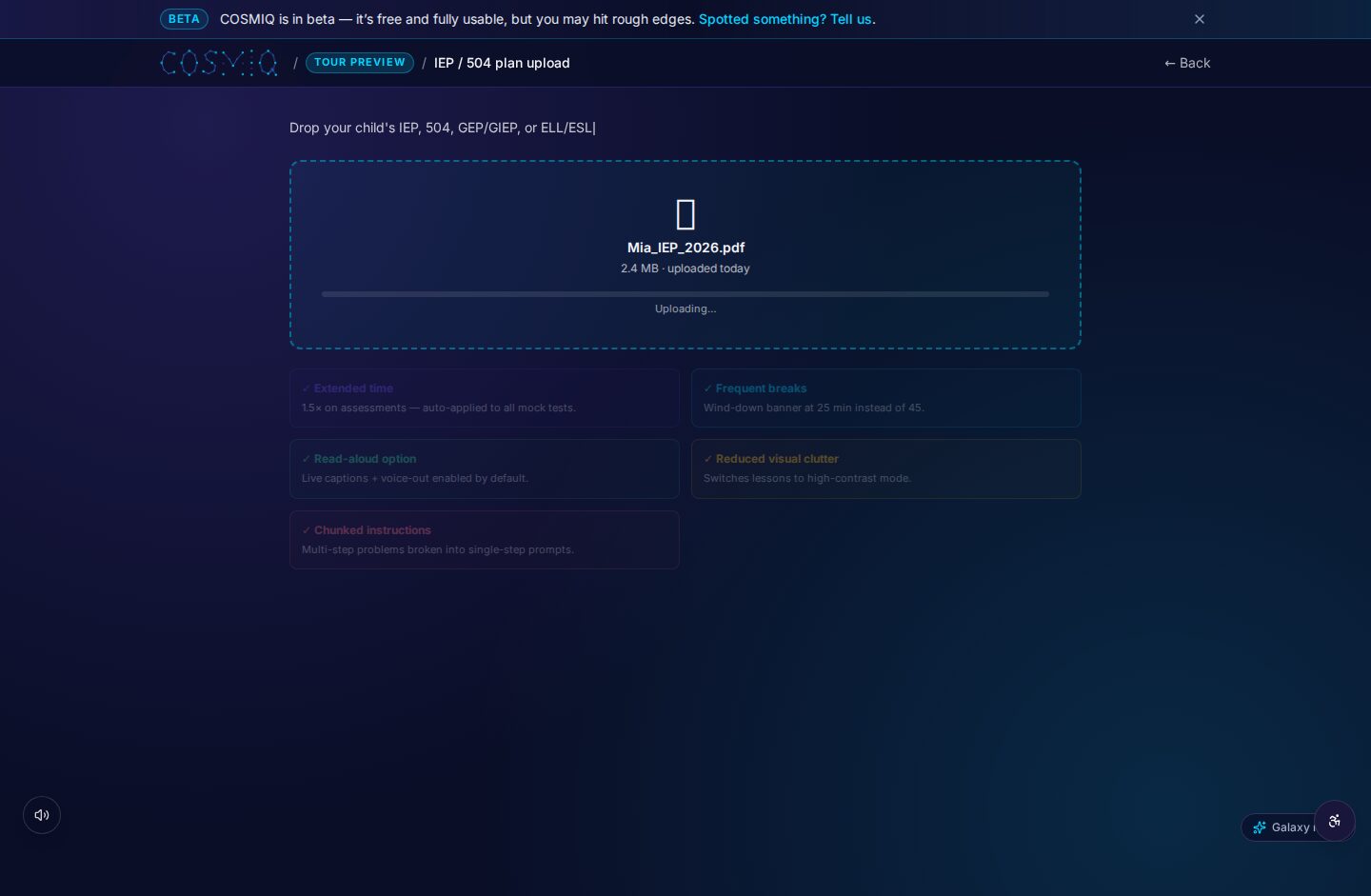
Another factor to consider is the level of support and training provided with the software. A tool is only as effective as the user’s ability to navigate it. Training sessions, online resources, or a responsive customer support team can make a significant difference in how quickly teachers feel comfortable using the software. Moreover, regular updates and improvements to the software can enhance its effectiveness over time.
Effective MTSS Tier 2 Intervention Strategies
Once you have the right tools in place, it’s crucial to implement effective MTSS tier 2 intervention strategies. These strategies should be data-informed and flexible, allowing you to adjust as needed. One effective approach is to use small, focused groups to provide targeted instruction.
For example, if you have several students struggling with reading comprehension, you might group them together for a targeted mini-lesson. This allows for more personalized instruction, and you can tailor the lesson to address the specific skills these students need to improve. Use MTSS software to monitor the progress of each student in the group, making adjustments as necessary to ensure every child is supported.
Consider also incorporating a variety of teaching methods into your interventions. Some students respond better to visual aids, while others may thrive in a hands-on learning environment. By mixing different strategies—like using graphic organizers, interactive games, or even verbal discussions—you can create a richer educational experience. This not only keeps students engaged but also allows for multiple pathways to understanding.
Another vital strategy is involving families in the intervention process. Communicate with parents about their child's progress and the specific interventions being utilized. Engaging families can foster a supportive home environment that aligns with school efforts, reinforcing learning outside of school hours. Provide resources and tips for parents to continue supporting their children’s education at home.
Integrating Title I Tutoring into Interventions
Title I funding can significantly enhance your tier 2 interventions. Schools that qualify for Title I often have additional resources to provide tutoring and support for at-risk students. So, how can you integrate Title I tutoring into your existing framework?
Start by identifying students who would benefit most from these services. Use your MTSS software to analyze data and flag students who are not meeting grade-level proficiency. Then, collaborate with Title I tutors to develop customized intervention plans. This collaboration ensures that tutoring aligns well with classroom instruction, maximizing the benefits for students. Remember, the goal is to provide a cohesive support system that addresses both academic and social-emotional needs.
Consider also how Title I tutoring can be woven into the school day. Instead of treating it as an extracurricular activity, think about how it can complement existing instruction. For example, if students receive tutoring in the same subject they are struggling with in class, they can reinforce what they learn during regular instruction. This integrated approach can lead to significant improvements in student outcomes.
Assessing Progress and Making Adjustments
No intervention is foolproof, which is why monitoring progress is key. With tier 2 intervention software, you can track how well students respond to targeted instruction. Regular assessments and progress monitoring should be built into your plans.
If you notice a student isn’t responding to an intervention after a set period, don't hesitate to adjust the plan. For example, if a student isn’t improving in math after several weeks of small group instruction, it might be time to re-evaluate the strategy and try a different approach. Perhaps incorporating more visual aids or interactive activities could spark interest and understanding. The beauty of using technology like tier 2 intervention software is that it allows for easy adjustments and rapid responses to student needs.
Furthermore, consider involving students in the assessment process. Encourage them to reflect on their learning and progress. This not only empowers them but also provides you with valuable insights into what strategies are resonating with them. Regular check-ins can foster a growth mindset, where students learn to embrace challenges and view setbacks as opportunities for growth.
Creating a Collaborative Culture in Schools

Finally, one of the most critical aspects of successful tier 2 interventions is fostering a collaborative culture among staff. Teachers, counselors, and administrators all need to be on the same page when it comes to identifying students who need support and ensuring that interventions are consistently applied.
Consider regular team meetings to discuss student progress and share strategies. By pooling resources and knowledge, educators can develop more effective intervention plans. Plus, this collaborative approach helps create a supportive environment where every staff member feels empowered to contribute to student success.
Another way to promote collaboration is by using shared platforms for communication. Digital tools can enable educators to share notes, strategies, and progress updates on students in real-time. This not only keeps everyone in the loop but also promotes a sense of shared responsibility for student outcomes. When staff members view themselves as part of a unified team, they can work together more effectively to overcome challenges.
In the end, tier 2 intervention software is just a tool. It’s up to you and your team to use it effectively to make a real difference in students' lives. With the right strategies, comprehensive data tracking, and a commitment to collaboration, you can transform how your school approaches interventions.
Leveraging Data Analytics for Continuous Improvement
Data analytics is more than just tracking progress; it’s about using that information to inform your teaching practices continually. The right tier 2 intervention software should not only flag students who are struggling but also provide insights into overarching trends. For example, if multiple students in a grade level are struggling with the same concept, this could indicate a need for a curriculum adjustment.
Consider periodic reviews of the data collected through your MTSS and RTI software. By analyzing the effectiveness of your interventions on a broader scale, you can identify successful strategies and replicate them across different groups. Additionally, keeping an eye on demographic data will help ensure that interventions are equitably distributed and effective for all student populations.
Implementing an iterative approach allows educators to be agile in their interventions. For instance, if you discover that a particular intervention is not yielding the desired results, you can experiment with alternative methods based on data-driven insights. This fosters a culture of innovation, where educators feel empowered to try new strategies and learn from the outcomes.
Building Relationships to Support Intervention Success
At the heart of effective tier 2 interventions are the relationships built between educators, students, and families. Understanding a student’s background, interests, and motivations can significantly enhance how interventions are designed and implemented. Building rapport with students makes them more likely to engage in their learning, which is crucial when they’re facing challenges.
Take the time to connect with students on a personal level. Begin by having informal conversations with them, learning about their hobbies, and incorporating their interests into lessons where possible. When students see you as a supportive ally rather than just an authority figure, they're more likely to be open about their struggles and challenges.
Similarly, involving families in the intervention process strengthens the support network for students. Regular communication with parents—updating them on their child’s progress and how they can help at home—contributes to a more comprehensive support system. You could set up workshops for families to learn what strategies are being used in the classroom so they can reinforce these at home.
Related resources: AI tutor for schools · AI tutor for schools · RTI software for teachers · MTSS tier 2 intervention
Learn anything, free.
COSMIQ is a free, voice-driven AI tutor for every learner. No credit card, ever.
Start learning free →