Transitioning from Traditional to Competency-Based Education: A Teacher’s Guide

As educators, we’re always looking for methods that can better engage our students and improve their learning outcomes. If you’re feeling the pressure to modernize your teaching methods, you’re not alone. The transition to competency-based education (CBE) is increasingly being recognized as a beneficial approach. But what does this mean for you as a teacher? How do you make this shift effectively? This guide aims to provide you with insights, strategies, and concrete examples to facilitate your transition from traditional to competency-based education.
Understanding Competency-Based Education
Competency-based education shifts the focus from teaching to learning. In traditional models, students are often measured by the time they spend in class and how well they can memorize information for tests. CBE, on the other hand, emphasizes mastery of skills and knowledge. Students progress through the curriculum at their own pace, advancing only when they’ve demonstrated proficiency in a given competency.
Imagine teaching a class where students can revisit material until they truly understand it, rather than just cramming for an exam. This model accommodates different learning styles and paces, allowing students to take ownership of their education. For example, in a math class, a student who struggles with fractions can spend additional time on that topic while others move ahead to geometry. This flexibility caters to various learning needs and ensures that no one is left behind.
Moreover, CBE fosters a richer learning experience. Students are not merely passive recipients of information; they actively engage in learning. They can explore topics that interest them within the framework of competencies. This intrinsic motivation often leads to deeper understanding and retention of knowledge. Think of a science class where students can embark on independent research projects that align with their competencies. Such projects ignite curiosity and empower students to take charge of their learning journey.
Identifying Competencies
Before you can implement CBE in your classroom, you need to identify the competencies relevant to your subject area. These competencies should be specific, measurable, and aligned with educational standards. Collaborate with colleagues to develop a comprehensive list of skills that students need to demonstrate.
For instance, in an English class, competencies could include analyzing texts, crafting essays, and participating in discussions. Rather than simply stating students must read a novel, you could outline specific skills they should achieve through that reading. This approach gives clarity to both you and your students. You might consider breaking down the competency of analyzing texts into smaller components: identifying themes, understanding character motivations, and recognizing literary devices. By detailing these sub-skills, students can track their progress more easily.
In addition, consider how you might involve students in identifying competencies. Engaging them in discussions about what skills they believe are necessary for success can lead to greater buy-in and ownership. For example, during a class meeting, you could ask students to brainstorm what they think are essential skills for effective communication. This collaborative approach not only enriches the list of competencies but also fosters a sense of responsibility among your students.
Creating a Learning Environment
Transitioning to CBE requires a shift in your classroom environment. It’s crucial to foster an atmosphere that promotes independence, curiosity, and collaboration. Here are a few strategies you can adopt to create such an environment:
1. **Flexible seating**: Allow students to choose where they sit based on their needs. Some may prefer quiet corners for focused work, while others thrive in collaborative spaces. This choice empowers students to take charge of their learning and adapt their environment to suit their individual learning styles.
2. **Learning stations**: Set up different stations in your classroom that focus on specific competencies. Students can rotate through these stations, working at their own pace. Imagine a history class where one station focuses on primary source analysis, another on creating visual timelines, and a third on group discussions. This setup caters to different learning preferences and keeps students engaged.
3. **Peer collaboration**: Encourage students to work in pairs or small groups. This not only promotes accountability but also allows them to learn from one another. Consider implementing structured group activities where students teach each other specific competencies. This peer-to-peer learning can solidify understanding and build community within your classroom.
4. **Resource-rich environment**: Create a space that is filled with diverse resources—books, digital tools, and hands-on materials. Encourage students to explore these resources at their own pace. A biology class might feature a corner with microscopes, interactive apps, and specimen samples. These resources not only support varied learning styles but also invite exploration and inquiry.
Assessment Strategies
In a CBE model, assessment plays a different role than in traditional education. Instead of relying solely on standardized tests, you’ll employ a variety of assessment methods to ascertain students’ mastery of competencies. Here are a few effective strategies:
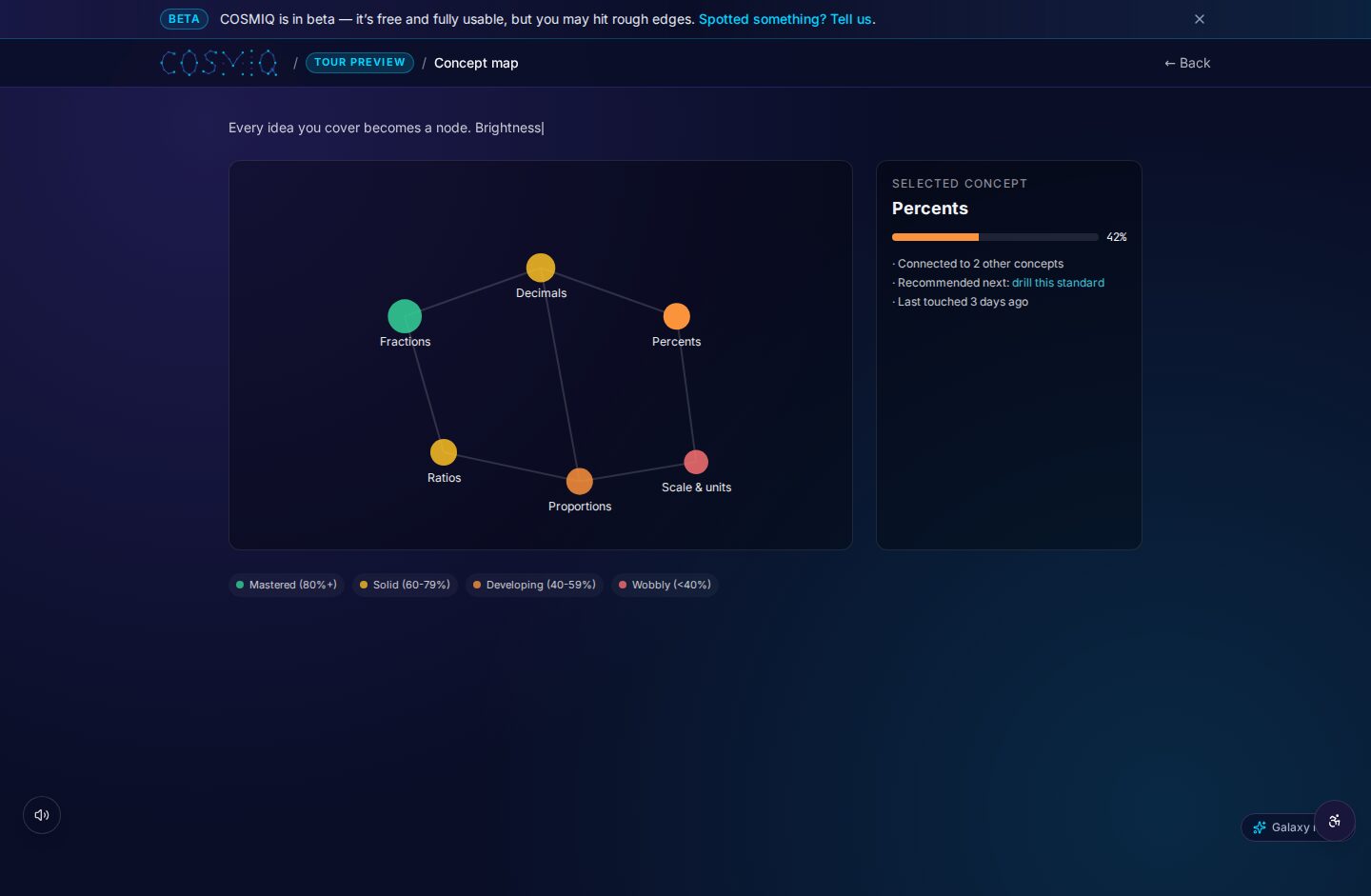
1. **Formative assessments**: These are ongoing assessments that help you gauge students’ understanding and adjust your teaching as necessary. This could include quizzes, classroom discussions, or one-on-one check-ins. Use tools like exit tickets where students can write one thing they learned and one question they still have. This quick assessment allows you to tailor your next lesson.
2. **Performance tasks**: Create projects or assignments that require students to demonstrate their skills. For example, a science project could involve designing an experiment that showcases their understanding of the scientific method. Encourage creativity by allowing students to choose the format of their presentation—be it a video, a poster, or a live demonstration—to align with their strengths.
3. **Self-assessments**: Encourage students to reflect on their own learning. This can foster a sense of ownership and accountability for their progress. Provide them with rubrics that outline what mastery looks like for each competency. After completing an assignment, ask students to rate themselves based on the rubric and set goals for improvement.
4. **Peer assessments**: Let students assess each other’s work using clear criteria. For example, in a creative writing class, students can review each other’s drafts and provide constructive feedback. This not only builds critical analytical skills but also fosters a culture of collaboration and support. Consider creating a peer review checklist that outlines key components to evaluate, making the process transparent and manageable.
Utilizing Technology
Technology can be a powerful ally in your transition to competency-based education. With various tools available, you can enhance learning and provide personalized feedback. Consider these options:
1. **Learning management systems**: Platforms like Pedagogue can help streamline communication, provide resources, and track student progress. These systems often allow you to create personalized learning paths for each student, ensuring they work on competencies that align with their current understanding.
2. **Assessment tools**: Use online quizzes and assignments to assess competency. Tools like Cosmiq can assist in creating formative assessments that are both engaging and informative. Incorporate interactive elements, such as gamified quizzes, to keep students motivated and interested in their assessments.
3. **Collaborative software**: Platforms like Google Classroom encourage collaboration and allow students to share their work with one another. You can create shared documents for group projects where students can brainstorm, draft, and edit together in real time. This not only prepares them for collaborative work in the real world but also allows you to monitor their progress as they work.
4. **Digital portfolios**: Encourage students to create digital portfolios showcasing their work and progress through the competencies. This can be a space for students to reflect on their learning journey, compile evidence of their mastery, and set future goals. Digital portfolios also provide a way for parents and the community to see tangible evidence of student learning.
Engaging with Parents and the Community
As you make the transition to competency-based education, it’s vital to keep parents and the community involved. They can be great allies in supporting student learning. Here’s how you can engage them:
1. **Information sessions**: Host meetings to explain the CBE model and its benefits. This way, parents can understand what to expect and how they can support their children. You might consider organizing workshops that allow parents to experience competency-based learning activities, giving them a firsthand look at how CBE works.
2. **Regular updates**: Provide updates on student progress, challenges, and achievements. This keeps everyone in the loop and promotes a growth mindset. Consider sending out monthly newsletters that highlight student successes, upcoming competencies, and ways parents can support learning at home.
3. **Community partnerships**: Collaborate with local organizations to create real-world learning opportunities. This can help students understand the relevance of their competencies. For instance, partnering with a local business for a project-based learning experience can give students a taste of how competencies apply in real-world settings. Invite community members to share their expertise and engage with students to enrich their learning experience.
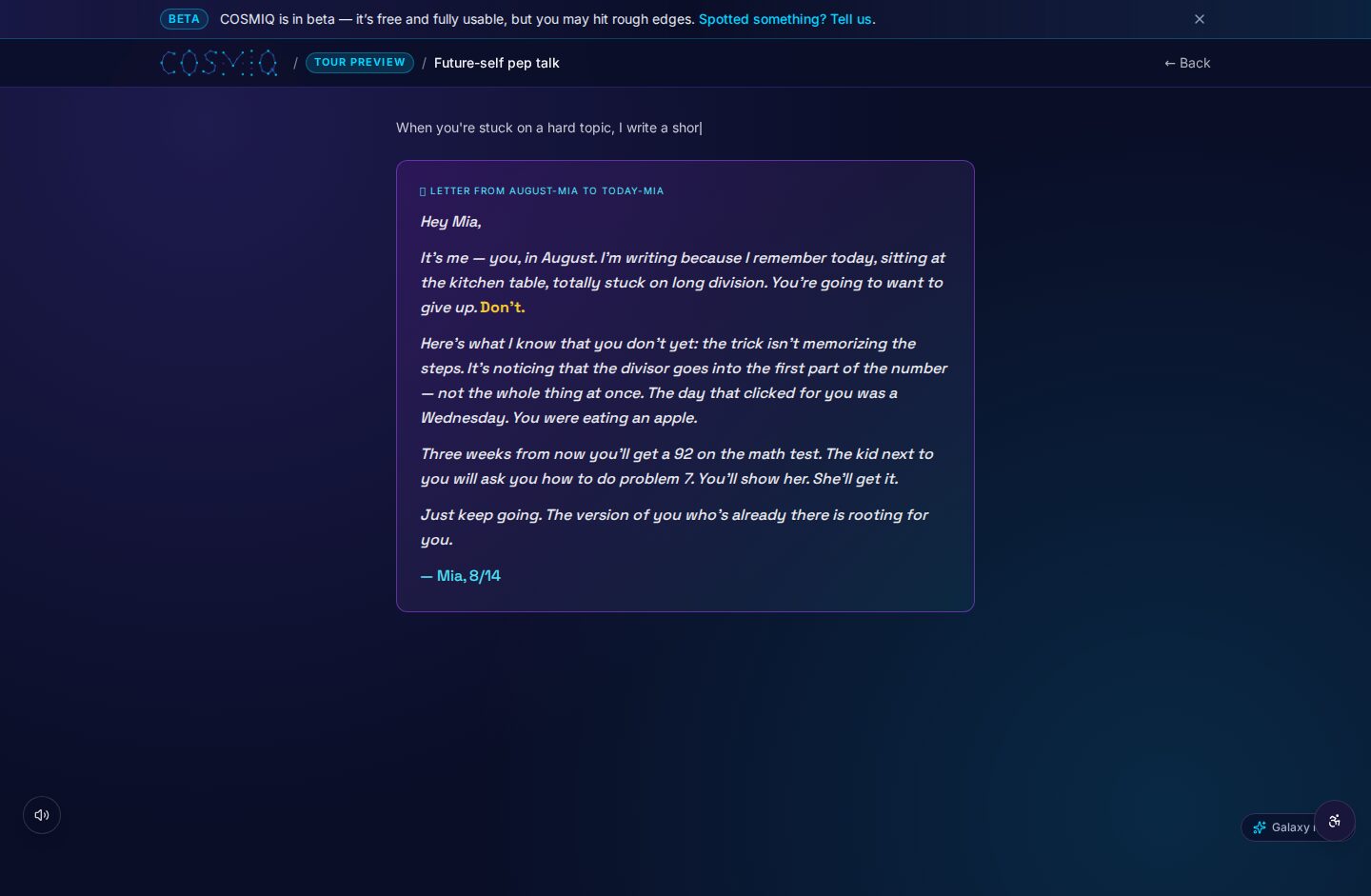
4. **Parent-teacher conferences**: Utilize these meetings to discuss the competency-based structure. Share student progress and highlight the specific competencies they’ve mastered. This personalized approach helps parents understand their child’s growth and encourages them to be active participants in their learning.
Overcoming Challenges
Shifting to competency-based education won’t be without its challenges. You might encounter resistance from students, parents, or even fellow educators. Here’s how to tackle these hurdles:
1. **Start small**: Introduce one or two competencies at a time rather than overhauling the entire curriculum all at once. This gradual approach can ease the transition. For example, if you’re teaching history, you might start by implementing competency-based assessments for one unit before expanding to other areas.
2. **Seek feedback**: Regularly solicit input from students and parents. This can provide valuable insights and help you adjust your approach. Consider using surveys or discussion groups to gather feedback on what’s working and what isn’t. This iterative process allows you to adapt and improve your methods.
3. **Professional development**: Take advantage of training and resources that focus on CBE. The more equipped you are, the easier it’ll be to explain the model to others. Attend workshops, join online forums, or collaborate with colleagues who have experience with CBE. Learning from others who have made the transition can provide you with valuable strategies and insights.
4. **Build a support network**: Connect with other educators who are transitioning to CBE. Sharing experiences and strategies can help you feel less isolated. Consider forming a professional learning community where you can collaborate, problem-solve, and share resources.
Reflecting on Your Progress
As you transition to competency-based education, it's essential to periodically reflect on your journey. This reflection can help you pinpoint what’s working well and what you might need to adjust. Consider keeping a teaching journal where you document your experiences, challenges, and successes.
Reflect on questions like: What competencies have my students mastered? Which ones do they struggle with, and why? How has the shift impacted my teaching style? Are there student outcomes that have improved, and if so, how?
Also, involve your students in this reflection process. Ask for their feedback on the competency-based approach. They can provide insights that you might not have considered. Perhaps they have suggestions for improving learning stations or assessment methods. Their voices can guide your decision-making and help you refine your approach.
Celebrating Successes
Finally, don't forget to celebrate the successes, both big and small, along the way. Recognizing achievements helps to build a positive classroom culture and reinforces the value of competency-based education. You might create a bulletin board dedicated to showcasing student work or set aside time each week to acknowledge individual and group successes.
Consider hosting a competency showcase day where students present projects they’ve completed as part of their learning. Invite parents, community members, and other classes to celebrate the hard work and achievements of your students. These celebrations not only motivate students but also build pride in their accomplishments.
Related resources: The Ed Advocate · Dr. Matt Lynch
Learn anything, free.
COSMIQ is a free, voice-driven AI tutor for every learner. No credit card, ever.
Start learning free →