Turn Study Goals Into Quests You Actually Want to Finish
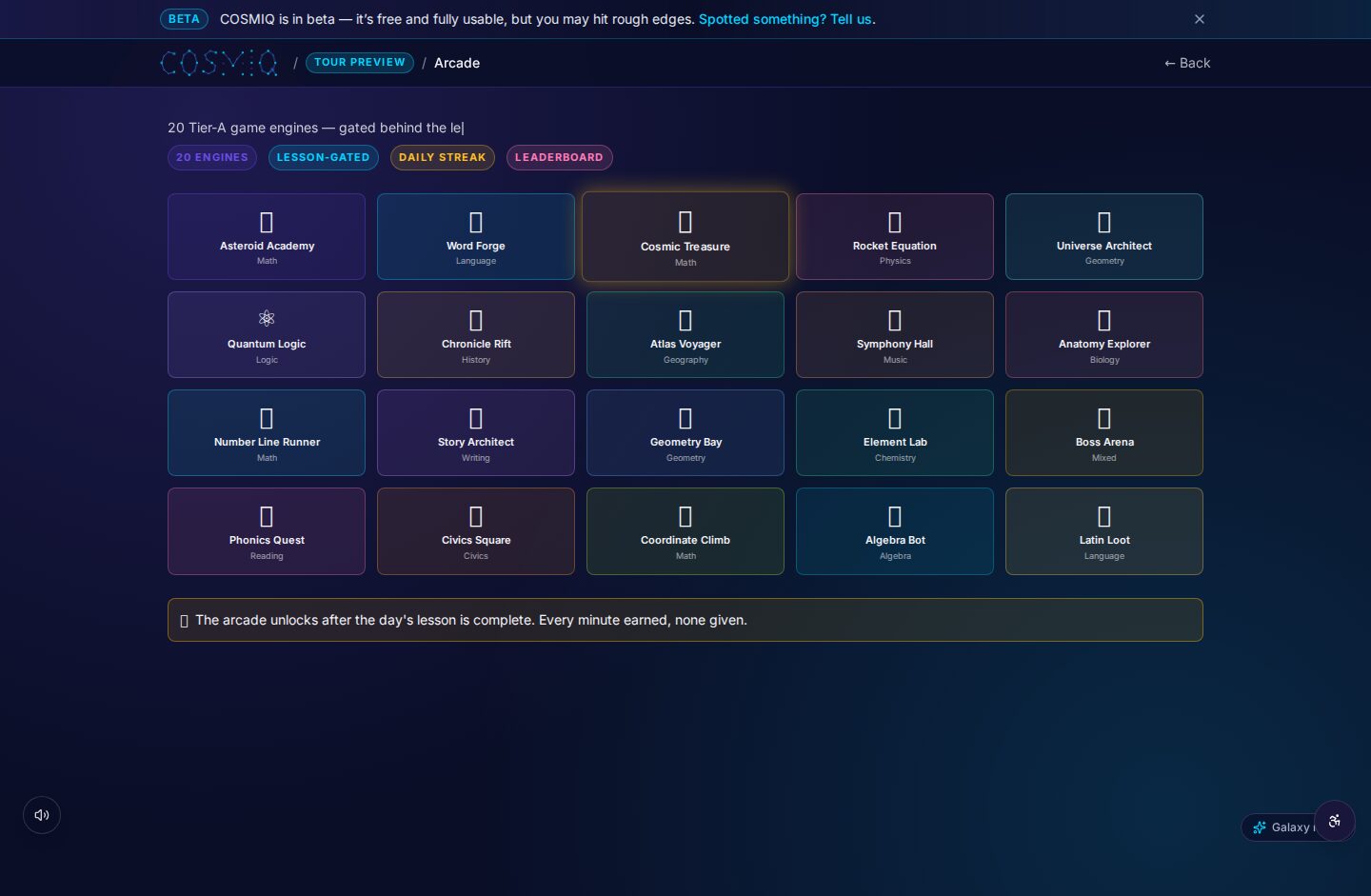
Studying can often feel like a drag. You sit down with your textbooks, and the weight of those study goals can seem overwhelming. You know you have to prepare for that big exam or finish that paper, but motivation can be elusive. What if I told you that turning those mundane study tasks into engaging quests could change your entire studying experience? Yes, it’s possible! By reshaping your daily learning quests into exciting challenges, you can find satisfaction in your progress and discover a newfound love for learning.
The Power of Gamification in Learning
Gamification isn’t just a buzzword; it’s a proven method to make tasks more engaging. Think about your favorite video games. They draw you in with quests, rewards, and a clear path to success. Why not take that concept and apply it to your study routine? By incorporating gamified learning goals into your study sessions, you create a system that keeps you motivated. Imagine earning points for every chapter you finish or unlocking badges for achieving daily study challenges. This approach doesn’t just make studying more enjoyable; it can lead to better retention and understanding of the material.
To get started, outline your study goals as if they were quests in a game. For example, instead of just aiming to read a textbook chapter, break it down into smaller, manageable parts. Each section you conquer can be treated as a mini-quest. If you finish a section, reward yourself! Maybe it’s a break to watch a quick episode of your favorite show or a snack you love. This system turns studying into a series of exciting challenges, allowing you to track your progress and celebrate your achievements.
Let’s face it: when you integrate elements of play into your study routine, everything shifts. Your mindset changes from ‘I have to study’ to ‘I get to go on an adventure and conquer new knowledge!’ This can also help reduce anxiety about meeting deadlines. Instead of the looming dread of exams, you focus on completing one quest at a time, making the whole process feel lighter. How could that shift in perspective impact your learning and emotional well-being?
Gamification can be as simple or elaborate as you want. You can use apps designed for this purpose, such as Habitica, or create your own tracking system on a spreadsheet or a physical planner. The key is to personalize it to your interests. For example, if you like medieval themes, treat your study goals as quests for a knight. Finishing a chapter could be seen as slaying a dragon, while completing a practice test might be rescuing a captured princess. The stories we tell ourselves can be powerful tools in learning.
Creating Engaging Daily Learning Quests
The first step in transforming your study goals into quests is to design your daily learning quests. Think about what you need to accomplish and how you can frame it as an adventure. Start with broad goals, like understanding a particular subject or mastering a skill, and break them down into smaller, actionable tasks.
For instance, if you’re studying biology, a daily learning quest could be to explore a specific system of the body. Instead of just reading about it, engage with the material. Watch a documentary, take notes, and maybe even draw diagrams. By integrating different types of media, you make learning multifaceted and fun. Each day can introduce a new topic or concept, keeping your routine fresh and exciting.
Consider the strategy of using a variety of resources. If you have a textbook, don’t stop there—look for online lectures, podcasts, or interactive simulations that cover the same material. This not only reinforces your understanding but keeps the learning process dynamic. Each quest can involve a different medium, turning your study time into a rich exploration of the topic.
Moreover, don’t forget to incorporate creativity into these quests! Consider challenges like creating a short presentation on what you learned or writing a blog post summarizing the key points. The goal is to make it feel less like a chore and more like a creative endeavor. By taking ownership of your learning process, you become the hero of your own educational journey. And let’s be honest, who doesn’t want to feel like a hero? Each quest completed is like gaining experience points, moving you closer to your ‘next level’ of knowledge.
Setting Gamified Learning Goals
Once you’ve structured your daily learning quests, it’s time to set your gamified learning goals. These goals should be specific, measurable, and time-bound. Instead of vaguely saying you want to study more, aim for something concrete, like completing three chapters of a textbook by the end of the week. This clarity allows you to track your progress effectively.
To make these goals more game-like, consider assigning points for each completed task. For instance, reading a chapter could earn you 10 points, while completing a practice test might be worth 20 points. You can establish different levels of achievement—like reaching 100 points for a bronze level, 200 for silver, and 300 for gold. This adds an element of competition with yourself and makes you excited about reaching each level.

You can also introduce a leaderboard, even if it’s just for yourself. Keep track of your points and reflect on what you’ve accomplished at the end of each week. This self-assessment not only shows progress but also helps you adjust your goals as necessary. If you find that a particular quest is too easy or too hard, tweak it to better fit your learning pace.
Another dimension to consider is the social aspect of these gamified learning goals. Maybe you have friends or classmates who are also studying. You could form a little community where you share your points and progress. This friendly competition can amplify motivation and accountability. You might even set up fun little challenges where the winner after a month gets to choose a fun activity for everyone or some form of bragging rights.
Incorporating Daily Study Challenges
Daily study challenges can be an exciting addition to your learning routine. These challenges provide a burst of focus and can help you dive deeper into the material. Think of them as mini-quests that you can tackle each day.
For example, you could set a challenge where you learn five new vocabulary words every day. Each night, you can quiz yourself or even use those words in a creative story. This not only reinforces your learning but also adds an element of fun. The more creative you get with your challenges, the more likely you are to stay engaged.
You can also mix in collaborative challenges. Study with a friend or a group and set goals together. For instance, you could compete to see who can summarize a chapter quicker or create the best study guide. This social aspect adds a layer of accountability and can make studying feel less isolated. In a world so connected, why not leverage that dynamic to enhance your learning?
To add a layer of complexity, you might set a weekly challenge that spans several days. For example, if you’re prepping for a history exam, assign yourself the quest to research and present on one historical figure each day. By the end of the week, you’ll have a comprehensive view of different perspectives on significant events. This cumulative learning is not only more engaging but also helps reinforce connections between ideas and themes.
Staying Motivated Through Rewards
Rewards play a crucial role in maintaining motivation. They’re the icing on the cake after a long day of studying. The beauty of gamifying your learning is that you can build a rewards system that resonates with you.
Think about what you enjoy. Maybe it’s treating yourself to a fancy coffee after finishing a challenging chapter or buying that book you’ve had your eye on after completing a week’s worth of quests. It doesn’t always have to be material rewards; sometimes, a simple evening of relaxation or a fun outing with friends can be motivation enough.
You can implement a tiered reward system, too. For smaller goals, stick to little treats, but for bigger accomplishments, plan a bigger reward. This way, you’re consistently celebrating your achievements, which reinforces the positive behavior of studying more effectively. After all, who doesn’t feel invigorated after a well-deserved treat?
Consider the psychological aspect of rewards as well. When you reward yourself, you create a positive feedback loop, reinforcing the behavior of studying. Try to mix up your rewards to keep things fresh. If you usually reward yourself with dessert, switch it up with a movie night or a day out with friends. This variety keeps your motivation high and engages different interests.
Reflecting on Your Learning Journey

Reflection is a powerful tool in any learning process. After a week or a month of daily learning quests, take some time to assess your progress. What worked? What didn’t? Did the gamified learning goals keep you motivated? Reflecting on these questions can provide valuable insights into your study habits.
You might find that certain quests were more engaging than others. Maybe you loved the daily study challenges but found some of the gamified goals too easy or difficult. Adjust your approach based on your reflections. Learning is a dynamic process, and what works best can change over time.
Consider keeping a learning journal. Documenting your experiences can help you see the bigger picture and acknowledge how far you’ve come. This can be particularly motivating during those times when you feel stuck or discouraged. Writing down not only your achievements but also your struggles can give you perspective, reminding you that challenges are part of the journey.
If you’re up for it, share your reflections with others. Whether it’s a study partner or an online community, discussing your learning experiences can open up new perspectives and strategies that you hadn’t considered. It’s amazing how much a simple conversation can spark new motivation and ideas.
Building a Support Network for Learning Quests
Creating a support system can dramatically enhance the effectiveness of your study quests. When you have people around you who understand your goals and challenges, it can create a more enriching learning environment.
Start by identifying friends or classmates who are also pursuing similar academic goals. Form a study group where you not only tackle daily learning quests together but also set collective gamified learning goals. For example, you might decide that everyone will read a chapter by the end of the week and then come together to discuss the material. This not only keeps you accountable but also often leads to deeper discussions and insights.
A support network can also provide emotional encouragement. Learning can sometimes feel isolating, especially when you're facing difficult subjects. Having a buddy to cheer you on when you’re feeling down or stuck can work wonders for your motivation. Plus, studying with others can introduce different viewpoints and strategies that enhance your understanding of the material.
Consider using technology to your advantage. There are numerous apps and platforms out there that facilitate group study sessions, such as Zoom for video calls, Google Docs for collaborative notes, or even dedicated study apps that allow for shared progress tracking. Utilizing these tools can create a virtual study space that feels just as engaging as a physical one.
Final Thoughts on Transforming Study Goals
Turning study goals into quests isn’t just about making studying more enjoyable; it’s about reshaping your entire approach to learning. By implementing daily learning quests, setting gamified learning goals, and incorporating daily study challenges, you can foster a sense of accomplishment that transcends traditional studying.
Remember, the goal is not just to finish tasks but to engage with the material in a way that sparks your interest and creativity. So, go ahead—turn your study goals into quests that you genuinely want to finish. You might be surprised at how much you enjoy the journey. The adventure of learning is waiting for you, and the more you embrace it, the more rewarding it will become.
Learn anything, free.
COSMIQ is a free, voice-driven AI tutor for every learner. No credit card, ever.
Start learning free →