Using ChatGPT for Studying — and Where a Real Tutor Does It Better

Introduction
You’ve probably heard about ChatGPT — the AI tool that seems to be everywhere these days. Students are turning to it for help with everything from math problems to essay writing. It’s fast, it’s convenient, and it’s right at your fingertips. But is it really the best option for learning? Let’s explore how ChatGPT can assist you with studying and where a real tutor might still hold the upper hand.
The Appeal of ChatGPT for Studying
ChatGPT can be a lifesaver when you’re crunched for time. Need a quick explanation of a concept? Just type it in. Want to generate ideas for your next assignment? ChatGPT’s got you covered. It’s like having a study buddy who never gets tired or distracted. With this AI, you can access information at lightning speed.
For instance, say you’re struggling with calculus. You can ask ChatGPT to explain derivatives or help you work through a problem step-by-step. It’s almost like having a mini tutor on standby, available whenever you need it. This immediacy makes ChatGPT appealing for students who want to tackle homework at odd hours or who simply prefer a solitary study environment. Imagine you’re up late, trying to cram for an exam — ChatGPT can offer quick explanations and practice questions, helping you to maximize your study time.
Moreover, the interface is designed to be user-friendly. You don’t have to navigate complex software or struggle with long wait times for a response. Typing a question is all it takes, making it accessible for students of all ages. It’s like flipping through a digital textbook that responds to your needs in real time. For many learners, that kind of accessibility is a game-changer.
How ChatGPT Assists with Homework
Using ChatGPT for homework can be incredibly efficient. The AI can help you brainstorm, outline, and even draft essays. When you’re stuck staring at a blank page, that kind of guidance can make all the difference. ChatGPT can also provide summaries of complex texts or concepts, which can help you grasp the material more quickly.
However, while ChatGPT is great for generating content, it does have limitations. It can sometimes provide incorrect information or oversimplify complex topics. This is where the need for verification comes in. When you get an answer, it’s crucial to cross-check it against reliable sources. If you’re using ChatGPT for studying, think of it as a tool to support your understanding rather than a definitive source.
Let’s say you’re tasked with writing a paper on climate change. You can ask ChatGPT for an outline, and it might suggest key points like greenhouse gas emissions, impacts on biodiversity, and mitigation strategies. But while the AI can provide a great starting point, you should research each point to ensure accuracy and depth. Use ChatGPT for initial ideas, then follow up with scholarly articles or textbooks to enrich your final paper.
Is ChatGPT Safe for Kids Homework?
A big question on parents’ minds is, 'Is ChatGPT safe for kids’ homework?' The answer isn’t straightforward. While the AI can assist with educational topics, it also poses risks. For younger students, there’s the potential for misuse. Kids might rely too heavily on it, leading to superficial learning. They might come to see AI as a shortcut rather than a resource.
Furthermore, there’s the issue of inappropriate content. While the OpenAI team works hard to filter out harmful material, it’s not perfect. Kids might stumble upon information that isn’t age-appropriate. This makes it vital for parents and educators to supervise usage, ensuring that students utilize ChatGPT in a balanced and constructive way.
To mitigate these risks, parents can set clear guidelines. For example, they might designate specific times for using ChatGPT, ensuring it doesn’t replace essential study habits. They could also encourage students to use it as a supplementary tool—an assistant rather than a crutch. This way, children can learn to ask the right questions and think critically about the information they receive.
ChatGPT vs Dedicated AI Tutor
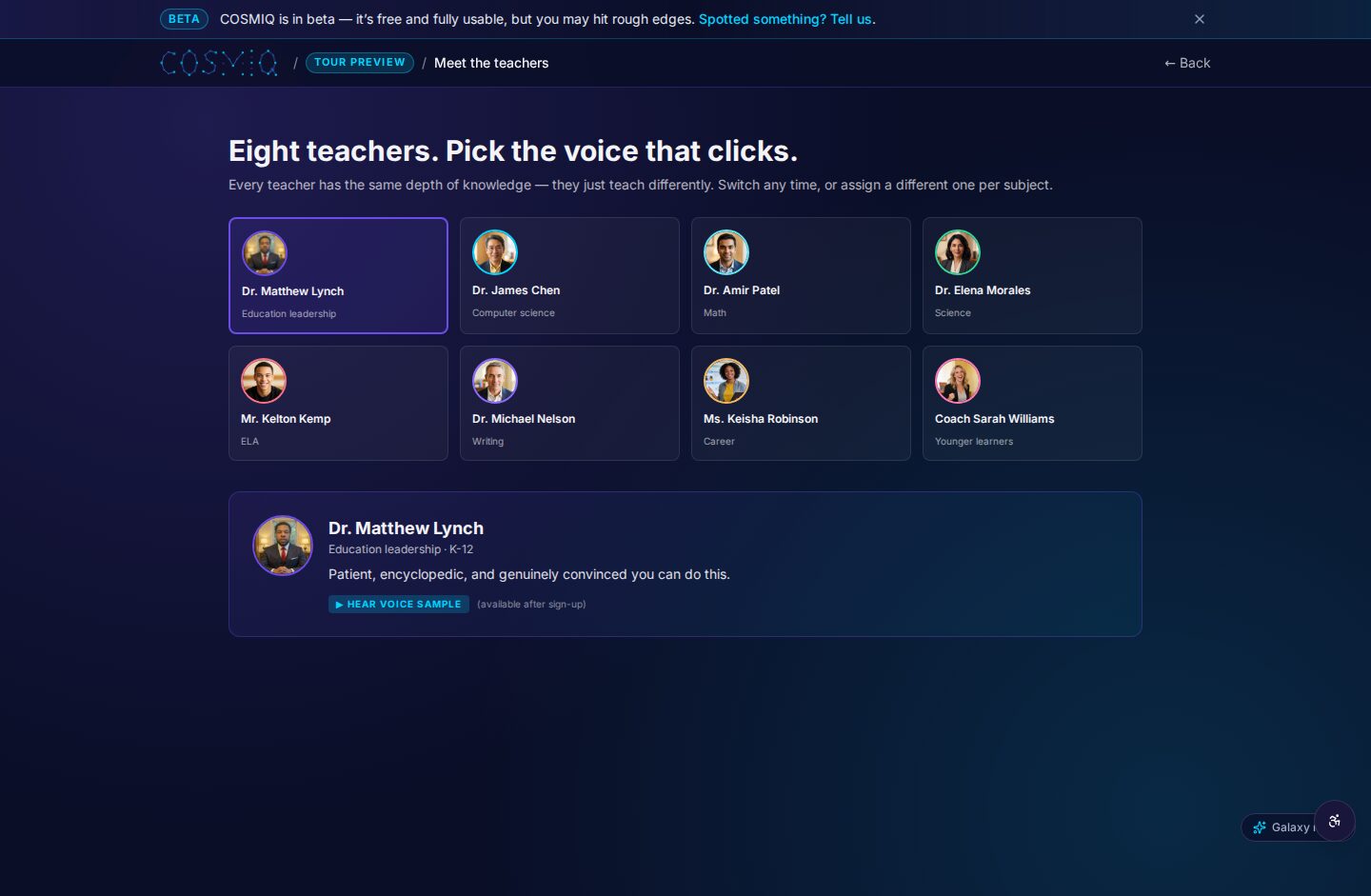
Now, let’s compare ChatGPT to a dedicated AI tutor. A dedicated AI tutor is specifically designed to provide personalized learning experiences. It adapts to your learning style and pace. While ChatGPT can answer questions and generate content, it lacks that personalized touch. A dedicated tutor can assess your strengths and weaknesses, offering tailored strategies to help you succeed.
For example, if you’re struggling with writing skills, a dedicated AI tutor could provide targeted exercises and feedback. It can track your progress over time, something ChatGPT simply can’t do. ChatGPT doesn’t remember your previous interactions, meaning it can’t build a comprehensive learning path for you. In contrast, dedicated AI tutors offer that continuity, making learning more cohesive.
Consider a scenario where you’re trying to master algebra. A specialized tutor might recognize that you excel at solving equations but struggle with word problems. It would then offer specific exercises to improve that area, adjusting as you progress. ChatGPT, on the other hand, would provide general help without the ability to customize its approach to your needs.
The Role of Human Tutors
When you think about studying, don’t overlook the benefits of a human tutor. Real-life tutors can offer empathy, motivation, and personalized feedback that AI simply can’t replicate. They can read your body language, adjust their teaching methods, and provide emotional support. If you’re having a rough day or struggling with a tough topic, a good tutor can adapt their approach to meet your needs.
Plus, let’s not forget the social aspect of learning. Working with a human tutor can help develop communication skills and foster collaborative problem-solving. This can be especially important for younger students, who need those interpersonal skills now more than ever. While ChatGPT can be a powerful tool in your study arsenal, it lacks the emotional intelligence that comes with human interaction.
For instance, during a tutoring session, if you express frustration over a difficult topic, a human tutor can offer encouragement and alternative explanations. They can use real-life scenarios or interactive techniques to make the lesson more engaging. That human element often prompts deeper understanding and lasting retention, which is something an AI can’t fully achieve.
Finding the Right Balance
So, how can you make the most of both worlds? Finding a balance between using ChatGPT for studying and working with a human tutor might be the key. Use ChatGPT to supplement your studies: get quick answers to specific questions, generate ideas, or practice problems. But don’t rely on it entirely. Instead, consider scheduling regular sessions with a tutor who can help deepen your understanding.
Think of it like this: use ChatGPT for the “quick fix,” but turn to a tutor for in-depth learning and support. This hybrid approach can maximize your study efforts, helping you grasp concepts more fully while also making study sessions more efficient. Aim to blend the quick information retrieval of ChatGPT with the personalized, interactive approach of a human tutor.
You could create a study plan where you use ChatGPT for initial research and clarification of concepts, followed by dedicated time with a tutor to tackle more challenging material. This way, you not only diversify your learning methods but also ensure that you’re fully grasping the content before moving on.
Practical Tips for Using ChatGPT Effectively
If you decide to leverage ChatGPT for your studies, here are some practical tips to make the most out of it. First, be specific in your questions. The more detailed your query, the more accurate and useful the response will be. For example, instead of asking, 'Explain photosynthesis,' try, 'Can you explain the process of photosynthesis in plants and its importance to the ecosystem?'
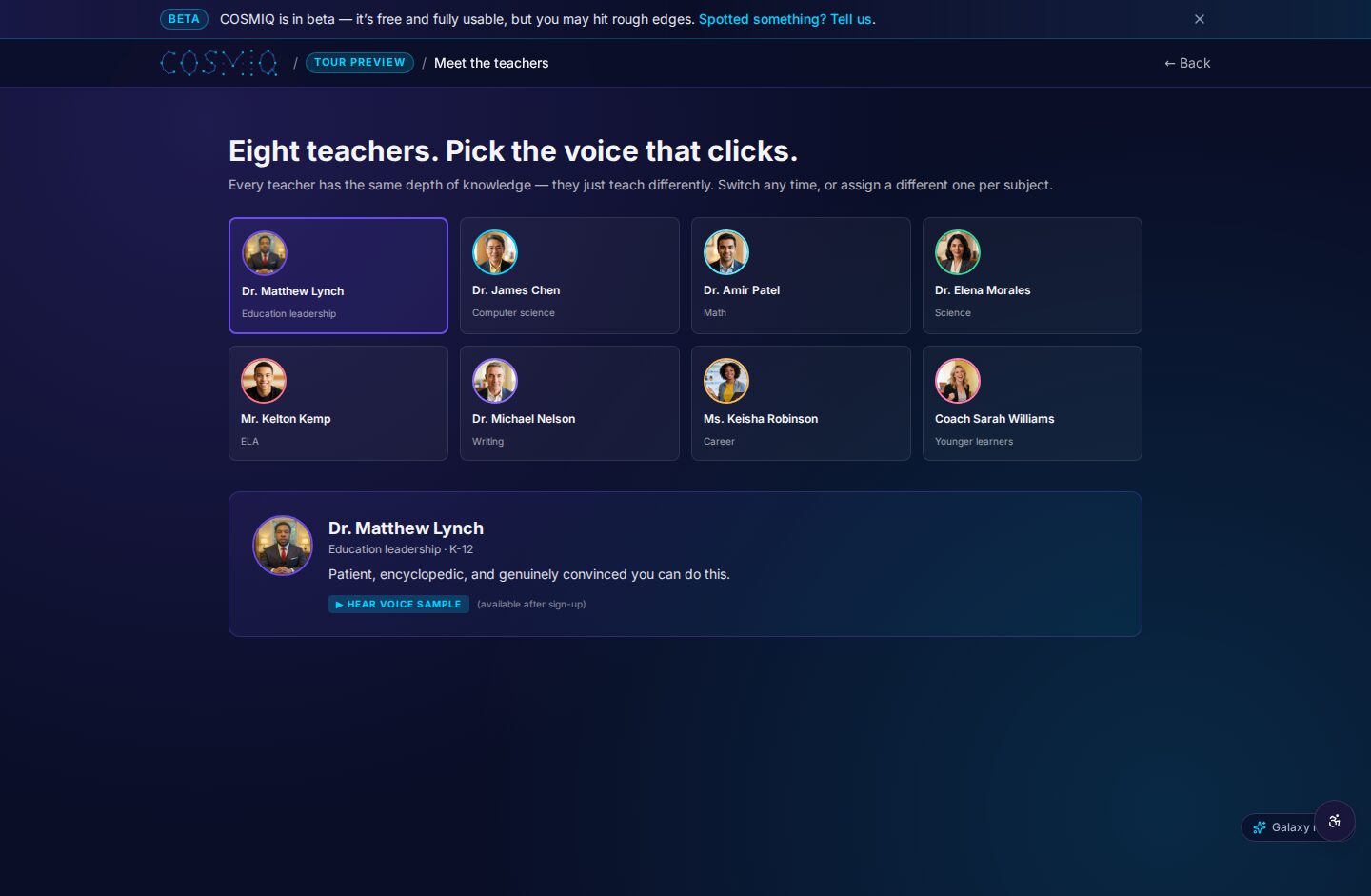
Second, always verify the information. Use ChatGPT as a starting point for research, but make sure to cross-reference important facts with reliable sources. This could be textbooks, reputable websites, or your own notes from class. Lastly, combine AI responses with your own thoughts. When working on assignments, use ChatGPT to generate ideas, but make sure to infuse your own voice and perspective into your work.
Another useful tip is to experiment with different ways of phrasing your questions. If you don’t get the answer you’re looking for initially, try rephrasing or asking for examples. For instance, if you're struggling with a historical concept, you might ask, 'What were the causes of World War II?' followed by, 'Can you provide examples of key events leading up to the war?' This will help you get a more nuanced understanding of the topic.
ChatGPT's Limitations and Ethical Considerations
While ChatGPT can be an incredible resource, it’s essential to recognize its limitations and the ethical considerations surrounding its use. For starters, the AI isn't infallible; it can produce misleading or incorrect information. You might ask it for the latest scientific research, but if the AI hasn’t been updated with the newest findings, it can lead you astray. That’s why critical thinking and verification are crucial.
Additionally, consider the ethical implications of using AI for homework. Are you learning, or are you just getting answers? If you rely too much on ChatGPT, you might miss out on the learning process. Academic integrity is paramount, and utilizing AI should enhance your knowledge, not replace your effort. It’s a fine line between using it as a helpful resource and falling into the trap of academic dishonesty.
To navigate these ethical waters, set personal guidelines on when and how to use ChatGPT. For instance, you might decide to use it only for brainstorming ideas or for clarifications on topics you’ve already studied, rather than for writing entire essays or completing assignments. This way, you’re using the tool to supplement your learning, rather than circumventing it.
The Future of AI in Education
As technology continues to evolve, it’s fascinating to think about the future of AI in education. Will AI tutors become the norm? What role will traditional educators play? While ChatGPT and similar technologies are here to stay, they are likely to complement rather than replace human instructors. The future might see a more integrated approach where AI tools support teachers in delivering personalized education.
Imagine classrooms where students can engage with AI tools like ChatGPT to explore concepts at their own pace, while teachers provide guidance and facilitate group discussions. This synergy could foster a richer learning environment, where technology enhances traditional methods. The focus would shift toward developing critical thinking, creativity, and collaboration skills, which are crucial in our modern world.
As we move forward, it’s essential for educators, parents, and students to engage in discussions about the role of AI in learning. Ensuring that these tools are used responsibly and ethically will be key to maximizing their potential while minimizing risks.
Final Thoughts
ChatGPT presents a modern approach to studying that’s both efficient and convenient. It can help with homework and offer quick answers to burning questions. However, don’t overlook the value a real tutor brings to the table. The personal touch, tailored feedback, and emotional support from a human can't be replicated by an AI. So, if you’re thinking about how to boost your studying game, consider blending both resources for a more rounded educational experience. After all, learning is not just about getting the right answers; it’s about understanding and growth. And in that balance lies the key to effective studying.
Related resources: ChatGPT for homework · is ChatGPT safe for kids homework · is ChatGPT safe for kids homework · ChatGPT vs dedicated AI tutor · ChatGPT vs dedicated AI tutor
Learn anything, free.
COSMIQ is a free, voice-driven AI tutor for every learner. No credit card, ever.
Start learning free →