Using the Zone of Proximal Development to Differentiate Instruction in Mixed-Ability Classrooms

Incorporating technology into your teaching can be a game-changer for differentiation. Various educational tools and platforms allow you to tailor instruction to individual needs. For instance, online learning programs can adapt to a student’s skill level, providing customized exercises that align with their ZPD. This means a student struggling with reading might receive more practice on phonics, while advanced readers can tackle comprehension tasks.
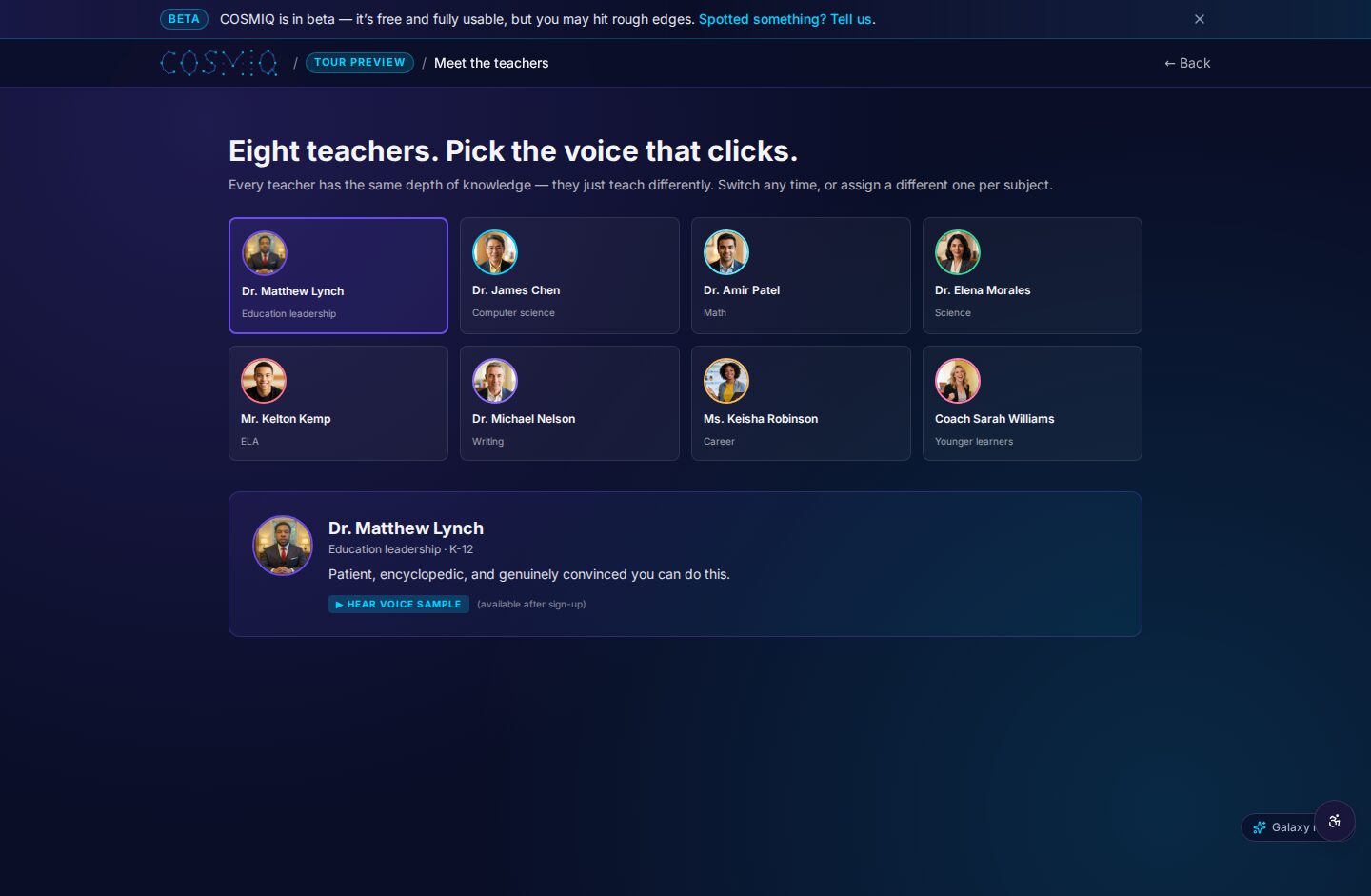
Additionally, consider employing tools like educational apps or online learning platforms such as Cosmiq. These resources often include features that adjust the difficulty of tasks in real-time based on student performance. This way, you can ensure that each student is continually working within their ZPD while feeling challenged, yet supported.
Understanding the Basics of the Zone of Proximal Development
Before diving into how to implement the concept of the Zone of Proximal Development (ZPD), let's clarify what it entails. Developed by psychologist Lev Vygotsky, the ZPD is the difference between what a learner can do without help and what they can achieve with guidance. It's not just a range of skills; it represents the potential for growth with appropriate support. For instance, if a child can solve basic arithmetic problems alone but can tackle more complex equations with a tutor's aid, the latter challenges lie within their ZPD.
Understanding this concept is crucial when teaching in mixed-ability classrooms. You might have students with varying degrees of understanding in any subject area. Some may grasp concepts quickly, while others need extra time and support. By leveraging the ZPD, educators can identify where students stand and design instruction that meets them where they are. For example, if you're teaching addition, you might find that some students can add two-digit numbers, while others struggle with one-digit numbers. By grouping students accordingly and providing tailored support, everyone can benefit from differentiated instruction.
Identifying Student ZPDs
To effectively differentiate instruction, you must first identify the ZPD of each student. This process involves assessing their current skills and understanding. One effective strategy is to conduct formative assessments that focus on specific skills before the lesson. These could take the form of quizzes, observations, or even informal discussions.
Once you have a grasp on each student's capability, consider using graphic organizers or skill matrices to visually map their ZPDs. This can help you quickly identify which students need more foundational skill practice and which can handle advanced content. For example, if you're introducing a new topic in science, you might create a matrix to illustrate where each student stands in terms of prerequisite knowledge. This visual representation not only aids you in instruction but also helps students understand their own learning paths.
Designing Differentiated Tasks
Once you have identified where each student’s ZPD lies, the next step is to design differentiated tasks. These tasks should not only align with the ZPD but also engage students at their respective levels. For instance, in a mixed-ability math classroom, you could create tiered assignments that cater to different skill levels. Students can work on problems that range from simple addition to multi-step word problems.
Another effective strategy is to implement choice boards, where students can select tasks based on their comfort level and interests. This approach not only respects each student's ZPD but also fosters independence and motivation. For example, a choice board for a reading unit might include options for reading a grade-level text, summarizing a challenging article, or even creating a presentation based on a book of their choice. This variety ensures that each student is working within their zone while still pushing their limits.
Utilizing Collaborative Learning

One of the most powerful tools available in mixed-ability classrooms is collaborative learning. When students work together, they often learn from one another, creating a dynamic environment where knowledge is shared. For instance, pairing a high-achieving student with a peer who is struggling can facilitate peer tutoring, allowing the more advanced student to reinforce their understanding while helping their classmate.
You can structure these collaborative learning sessions around specific tasks that align with the ZPD. For example, in a science class, you might assign a project where students must work in groups to create a presentation on a topic. By strategically grouping students based on their ZPDs—some might focus on research, while others handle the visuals—you create an environment where each student contributes according to their strengths while still expanding their knowledge.
Integrating Technology for Differentiation
Incorporating technology into your teaching can enhance differentiation in a mixed-ability classroom. Online platforms and educational apps can provide personalized learning experiences tailored to each student's ZPD. For instance, programs like Khan Academy offer adaptive learning paths, allowing students to progress through content at their own pace. If a student demonstrates mastery of a concept, the platform can move them to more challenging material, ensuring they remain engaged.
Another powerful resource is educational software that allows for real-time feedback. When students work on a platform where they receive immediate responses to their answers, you can better gauge their understanding. For example, if a student consistently struggles with a specific type of math problem, you can intervene and provide targeted instruction to help them move forward.
Assessing and Adjusting Strategies
Differentiation is not a one-time task; it requires ongoing assessment and adjustments. After implementing a differentiated instruction strategy, it’s vital to evaluate its effectiveness. You should regularly collect data on student performance through assessments, observations, and feedback.
If you notice that certain students continue to struggle, it may signal that you need to revisit their ZPDs and adjust your instructional methods. Perhaps the tasks were too challenging, or maybe the support provided wasn’t sufficient. For instance, if a student is struggling with a reading assignment that seems to be above their level, it might be time to simplify the task or provide more scaffolding to help them succeed.
Creating a Supportive Classroom Environment
Lastly, creating a supportive classroom environment is essential for effective differentiation. Students need to feel safe and encouraged to take risks in their learning. Create a culture where mistakes are viewed as opportunities for growth. Use positive reinforcement to celebrate small victories, which helps build confidence.
In addition, encourage collaboration and respect among students. When students work together, they can learn from each other while also acknowledging their differences. Establishing norms for group work and peer interaction can foster a sense of community, making it easier for students to engage with the material and support one another.
Incorporating Assessment Tools to Gauge Progress
Another critical aspect of differentiating instruction is the use of assessment tools that help you gauge student progress effectively. Standardized tests have their place, but they often fail to provide a complete picture of where a student stands in relation to their ZPD. Instead, consider implementing formative assessments, such as exit tickets or one-on-one conferences, to get real-time insights. These tools allow you to assess not just whether students can answer questions correctly, but also how they approach problems.
For instance, you might give a short, focused quiz at the end of a lesson or encourage students to reflect on what they learned that day. These assessments help you identify which concepts students grasped and which they struggled with. By regularly employing these strategies, you can adjust your teaching plans, ensuring that your lessons are responsive to your students' needs.
Building Parent-Teacher Partnerships
Engaging parents in the learning process is another invaluable strategy for enhancing differentiation. When parents understand the concept of ZPD and how you are applying it in the classroom, they can better support their children's learning at home. This partnership can lead to a more holistic approach to education, bridging the gap between school and home.
Consider hosting workshops or sending home informational pamphlets explaining the ZPD and how parents can encourage their kids. Simple activities like reading together, discussing homework, or even playing educational games can reinforce what their child is learning in school. When parents are invested and informed, students often feel more motivated and supported in their learning journeys.
Creating an Inclusive Curriculum
An inclusive curriculum is essential for addressing the diverse needs of students in mixed-ability classrooms. One way to create inclusivity is by incorporating culturally responsive teaching materials that reflect the backgrounds and experiences of all students. When students see themselves represented in the curriculum, they are more likely to engage and connect with the content.
Additionally, an inclusive curriculum means being flexible with the types of assignments and assessments you offer. Providing various ways for students to demonstrate their understanding can cater to different learning preferences and strengths. For example, some students might excel in written assignments, while others might prefer creating visual presentations or engaging in hands-on projects. This flexibility ensures that all students can work within their ZPD and feel successful.
Related resources: differentiating instruction zpd · drmattlynch.com · getcosmiq.app
Learn anything, free.
COSMIQ is a free, voice-driven AI tutor for every learner. No credit card, ever.
Start learning free →