Utah Leads U.S. in Births Per Capita, Shaping Future Needs for Schools and Childcare

Understanding population trends is crucial for planning robust community services, especially in education and childcare. A new analysis from Birth Injury Lawyer sheds light on a significant demographic finding: Utah leads the United States in births per capita, with 13.32 births per 1,000 residents in 2024. This figure, according to the organization, is approximately 24% higher than the national average of 10.7, signaling a unique set of opportunities and challenges for the state's families, schools, and support systems.
This research, which analyzed final 2024 birth totals and state population figures across all 50 states and Washington, D.C., offers valuable insights into where birth concentrations are highest after adjusting for population size. For parents, teachers, and policymakers in Utah and other high-growth states, these findings underscore the importance of proactive planning for the years to come.
Understanding Utah's High Birth Rate
While Texas recorded the highest total number of births in 2024 (390,828), Birth Injury Lawyer's study emphasizes that a per-capita analysis provides a more accurate picture of birth concentration relative to a state's population size. Utah, with 46,664 births, stands out because its rate of 13.32 births per 1,000 residents places it significantly above other states. Following Utah, Texas ranked second with 12.49 births per 1,000 residents, then South Dakota at 12.39, and Nebraska at 12.36. In contrast, Vermont recorded the lowest rate at 7.7 per 1,000 residents.
The organization notes that Utah's relatively young population plays a key role in this trend. With a median age of 32.4 in 2024, Utah has one of the youngest populations in the country. A larger proportion of residents in their childbearing years naturally contributes to a higher crude birth rate, even if the state's total fertility rate (births per woman) is below the replacement level.
Implications for Childcare Services
A consistently high birth rate directly impacts the demand for childcare services. As Birth Injury Lawyer points out, thousands of new families entering the community each year require access to quality care for their young children. This can lead to increased pressure on existing childcare facilities, potentially resulting in longer waitlists, rising costs, and reduced availability, particularly in rapidly growing areas.

For parents, understanding these trends can help in planning for future childcare needs, encouraging early registration and exploring all available options. For communities, it highlights the need for continued investment in expanding childcare infrastructure and supporting programs that ensure accessibility and affordability for all families.
Preparing for Future School Enrollment
The ripple effect of a high birth rate extends directly into the education system. The children born today will be entering kindergarten in approximately five years, and then progressing through elementary, middle, and high school. This demographic reality means that Utah's school districts can anticipate sustained growth in student enrollment for the foreseeable future.
This anticipated growth requires strategic planning from educators and local governments. Schools may need to consider:
- Infrastructure Expansion: Building new schools or adding classrooms to existing ones.
- Teacher Recruitment: Ensuring a sufficient number of qualified teachers to meet student-to-teacher ratio requirements.
- Resource Allocation: Adapting budgets to cover increased operational costs, learning materials, and technology.
- Curriculum Development: Tailoring educational programs to meet the needs of a growing and diverse student body.
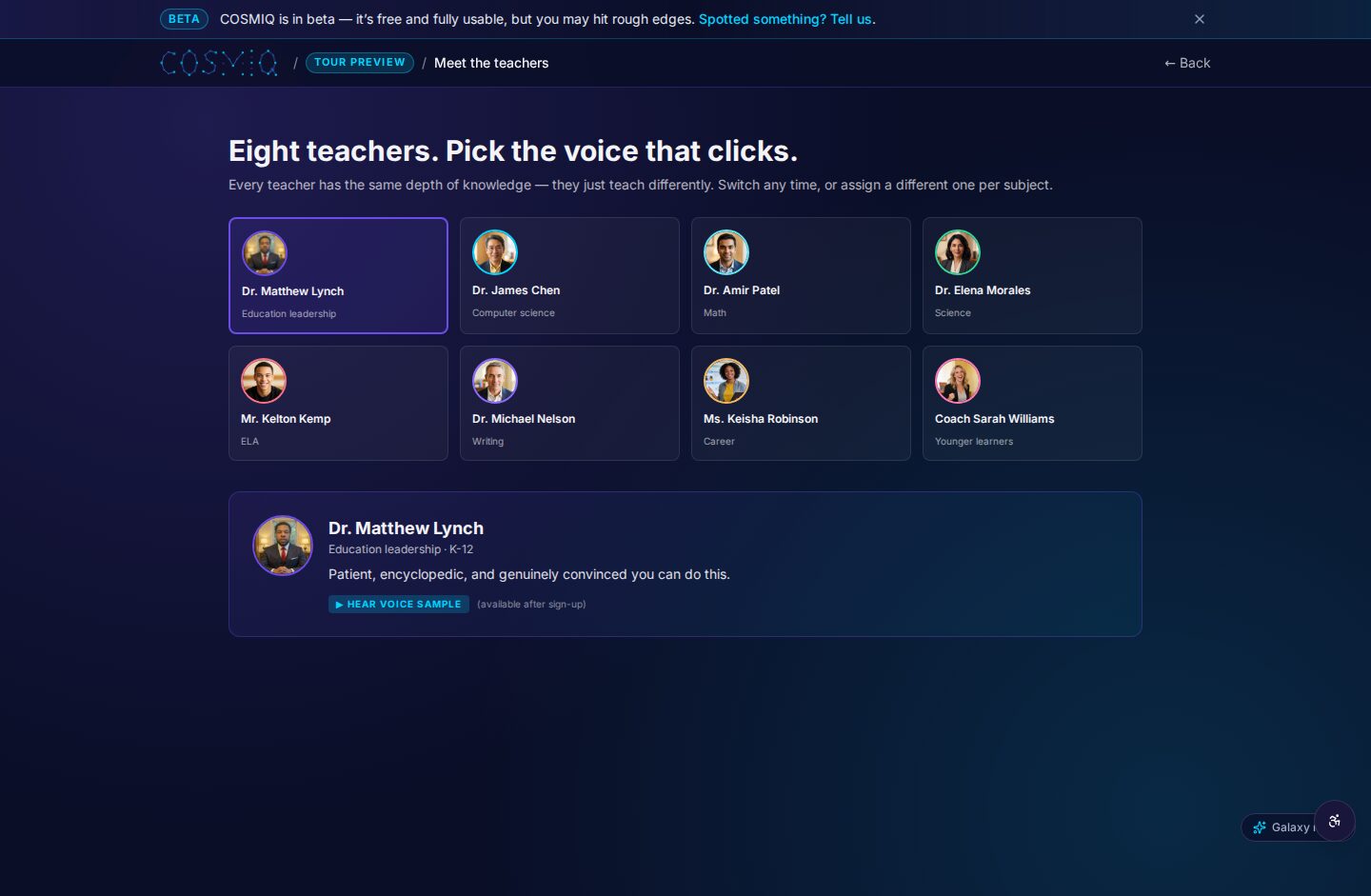
For students and parents navigating a growing school system, having access to supplementary learning resources can be incredibly valuable. Platforms like COSMIQ offer free voice-driven AI tutoring, providing personalized support for K-12 students in any subject, which can be a great complement to classroom learning, especially as class sizes may shift due to increased enrollment.
Community Planning and Family Support
Beyond childcare and schools, a high birth rate influences broader community planning, including housing and family support services. The demand for family-sized housing units, pediatric healthcare services, and community programs tailored to young families is likely to remain high in Utah.
The research from Birth Injury Lawyer underscores the interconnectedness of these factors. When a state experiences significant growth in its youngest population, it creates a dynamic environment that calls for thoughtful and comprehensive strategies across multiple sectors. This includes supporting programs that assist new parents, fostering accessible community spaces, and ensuring that essential services keep pace with demographic shifts.
To help students stay on track, especially during periods of high demand on educational resources, COSMIQ also offers a free practice hub by grade and subject, allowing learners to reinforce concepts at their own pace.
Conclusion
The study by Birth Injury Lawyer provides a valuable lens through which to view Utah's demographic landscape. By highlighting the state's leading position in births per capita, the organization has drawn attention to crucial areas of planning and support for families, educators, and communities. Understanding these trends allows for more informed decision-making, helping to ensure that Utah's growth translates into thriving environments for its youngest residents and robust support systems for all.
Learn anything, free.
COSMIQ is a free, voice-driven AI tutor for every learner. No credit card, ever.
Start learning free →