UWF Secures $1.74M NSF Grant to Bolster AI and Cybersecurity Education

In an exciting development for students, educators, and the broader community, the University of West Florida (UWF) has announced a substantial $1.74 million award from the National Science Foundation (NSF). This prestigious grant, awarded through the NSF's new CyberAICorps Scholarship for Service (CyberAI SFS) program, is set to significantly advance education and workforce development in the crucial fields of artificial intelligence (AI) and cybersecurity.
This achievement highlights UWF's growing national leadership in these cutting-edge areas, positioning its students at the forefront of innovation. For families considering higher education, this means even greater opportunities for high-demand careers, backed by significant financial and professional support. For teachers, it underscores the importance of fostering early interest in STEM fields, knowing that pathways like these exist for their students' futures.
Investing in the Future: Scholarships and Skill Development
According to UWF, the $1.74 million award will directly benefit undergraduate and graduate students pursuing studies in cybersecurity, computer science, and intelligent systems and robotics. A key component of the grant is the funding of full scholarships, stipends, and comprehensive professional development opportunities. This financial support is designed to remove barriers for talented students, allowing them to focus on their studies and prepare for impactful careers.
UWF Provost Dr. Jaromy Kuhl emphasized the significance of this recognition, stating that being one of only 14 institutions nationwide selected for this inaugural award is a testament to the strength of UWF's programs. The grant, titled “UWF CyberAI SFS FORCE: Future Operations, Resilience, and Career Ecosystem,” aims to create a robust support system for students, ensuring their academic success and career readiness. This includes faculty-mentored research, hands-on learning experiences, internships, and other practical applications that bridge academic knowledge with real-world challenges.
For students navigating complex subjects like AI and cybersecurity, supplementary learning resources can be incredibly valuable. Platforms like COSMIQ offer free, voice-driven AI tutoring for K-12 students, helping to build foundational skills that can lead to advanced studies in fields like those supported by this UWF initiative.

Preparing the Next Generation of Defenders and Innovators
The intersection of AI and cybersecurity presents some of the most complex and critical challenges of our time. As systems become more interconnected and reliant on AI, the need for professionals who can both defend against cyber threats and responsibly apply AI to enhance security grows exponentially. Hossain Shahriar, CCAI director of educational programs, professor, and principal investigator for the project, stated that the award will enable UWF to prepare professionals who can “defend critical systems while responsibly applying AI to strengthen our nation’s cybersecurity.”
The program plans to recruit and support 16 CyberAI scholars across undergraduate, graduate, and doctoral levels. These scholars will receive hands-on training through resources like the Florida Cyber Range, engage in research experiences, participate in internships, and compete in relevant challenges. This comprehensive approach ensures that graduates are not only theoretically knowledgeable but also practically experienced and ready to contribute from day one.
Strengthening Pathways to Government Service and National Security
Beyond academic and professional development, a significant goal of the CyberAI SFS FORCE program is to strengthen pathways for students to enter government service. Graduates will be prepared to protect federal systems, critical infrastructure, and other sectors increasingly dependent on AI-enabled technologies. This focus on national security and public service underscores the broader impact of the NSF award, contributing to the nation's defense and resilience.
Dr. Eman El-Sheikh, CCAI associate vice president, highlighted this aspect, noting that by creating “a sustainable ecosystem linking education, research and government service, our CyberAI SFS FORCE program will advance the nation’s cybersecurity capabilities, support economic prosperity, and enhance national defense and resilience.” This initiative builds on UWF's existing reputation as a National Center of Academic Excellence in Cyber Defense and one of the first institutions to have an approved NCAE Cyber Artificial Intelligence Program of Study.
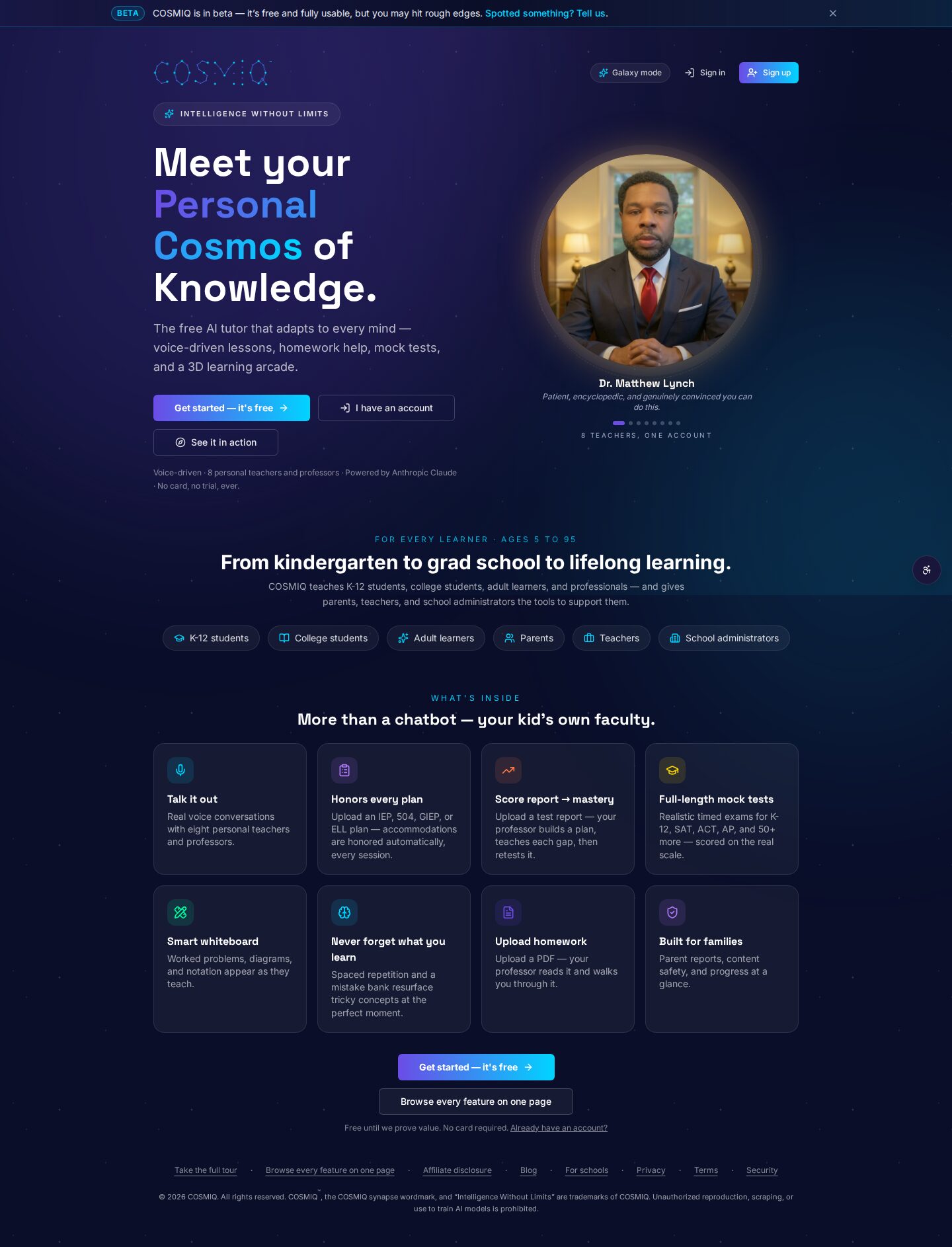
For students interested in exploring various academic and career paths, including those in high-demand fields like cybersecurity, free practice hubs by grade and subject can provide valuable support in core academic areas, helping them prepare for future opportunities.
A Bright Future for UWF and its Students
This $1.74 million NSF award is more than just a grant; it's an investment in people and a commitment to addressing critical national needs. For the University of West Florida, it solidifies its position as a leader in AI and cybersecurity education. For students, it unlocks unparalleled opportunities for specialized education, financial support, and a direct path to impactful careers. As the digital landscape continues to evolve, UWF's efforts will undoubtedly play a vital role in shaping a secure and innovative future.
The success of programs like CyberAI SFS FORCE at UWF demonstrates the profound impact that dedicated educational institutions can have on national priorities and individual lives. It's a testament to the power of investing in education to meet the challenges of tomorrow.
Learn anything, free.
COSMIQ is a free, voice-driven AI tutor for every learner. No credit card, ever.
Start learning free →