UWindsor Research Shapes New National Approach to Supporting Student Disclosures

The University of Windsor is making significant contributions to a vital national conversation, as a UWindsor researcher helps to inform a critical shift in how schools across Canada respond to student disclosures of sexual violence. This innovative work, led by Dr. Catherine Vanner from the Faculty of Education, aims to empower teachers with the tools and understanding necessary to provide trauma-informed and supportive responses, ultimately fostering safer school environments for all students.
According to the University of Windsor, this initiative addresses a pressing need. Statistics indicate that a significant percentage of Canadian teens experience dating violence before the age of 15, and while formal reporting is less common, a large majority confide in someone informally. For educators, being the recipient of such a disclosure can be challenging, highlighting the importance of clear, compassionate, and effective response protocols.
Empowering Educators with the CARE Model Guide
Dr. Vanner, an associate professor specializing in gender-based violence and education, is a key participant in the launch of the new CARE Model Guide. This guide, developed by the Canadian social change consultancy Possibility Seeds, provides practical strategies designed to help teachers respond appropriately when students disclose experiences of sexual violence. According to the University of Windsor, Dr. Vanner emphasizes that while teachers receive mandatory training on their duty to report, they often lack guidance on how to best support students emotionally and manage their own well-being during such sensitive interactions. She notes that responding to disclosures is "always difficult but so important that it be done with care."
The CARE Model Guide encourages educators to focus on several key principles:
- C: Connecting and listening to the student with empathy.
- A: Being transparent about reporting requirements and processes.
- R: Referring students to appropriate resources and support services.
- E: Ensuring educators also make time to look after their own well-being afterward.
This comprehensive approach reflects a deep understanding of the complexities involved in these situations, aiming to create a more supportive and responsive system within schools.
Student Voice at the Heart of the Movement
A crucial aspect of this work, as highlighted by the University of Windsor, is its foundation in student agency and voice. The High School Too project, which led to the creation of the CARE Model Guide, emerged from student-led protests in 2022 concerning sexual violence and perceived inadequate responses from school boards. Dr. Vanner serves as an advisory board member for the High School Too project, which received provincial funding to support educators and students in Ontario in responding to gender-based violence.
Dr. Vanner is also co-leading a research project with Possibility Seeds where high school students actively engage with school board policies on sexual violence. This project aims to assess the accessibility and clarity of this critical information from a student perspective. "This movement entirely originated with the initiatives of high school students and continues to be driven by student agency and incorporating student voices," Dr. Vanner states, underscoring the student-centric philosophy driving these important changes.
A Commitment to Safer Learning Environments
The University of Windsor's involvement in this initiative underscores its commitment to fostering safer, more supportive learning environments not only within its own community but also across the broader educational landscape. By contributing vital research and expertise, UWindsor is helping to shape national best practices, ensuring that when students bravely come forward, they are met with informed compassion and effective support.
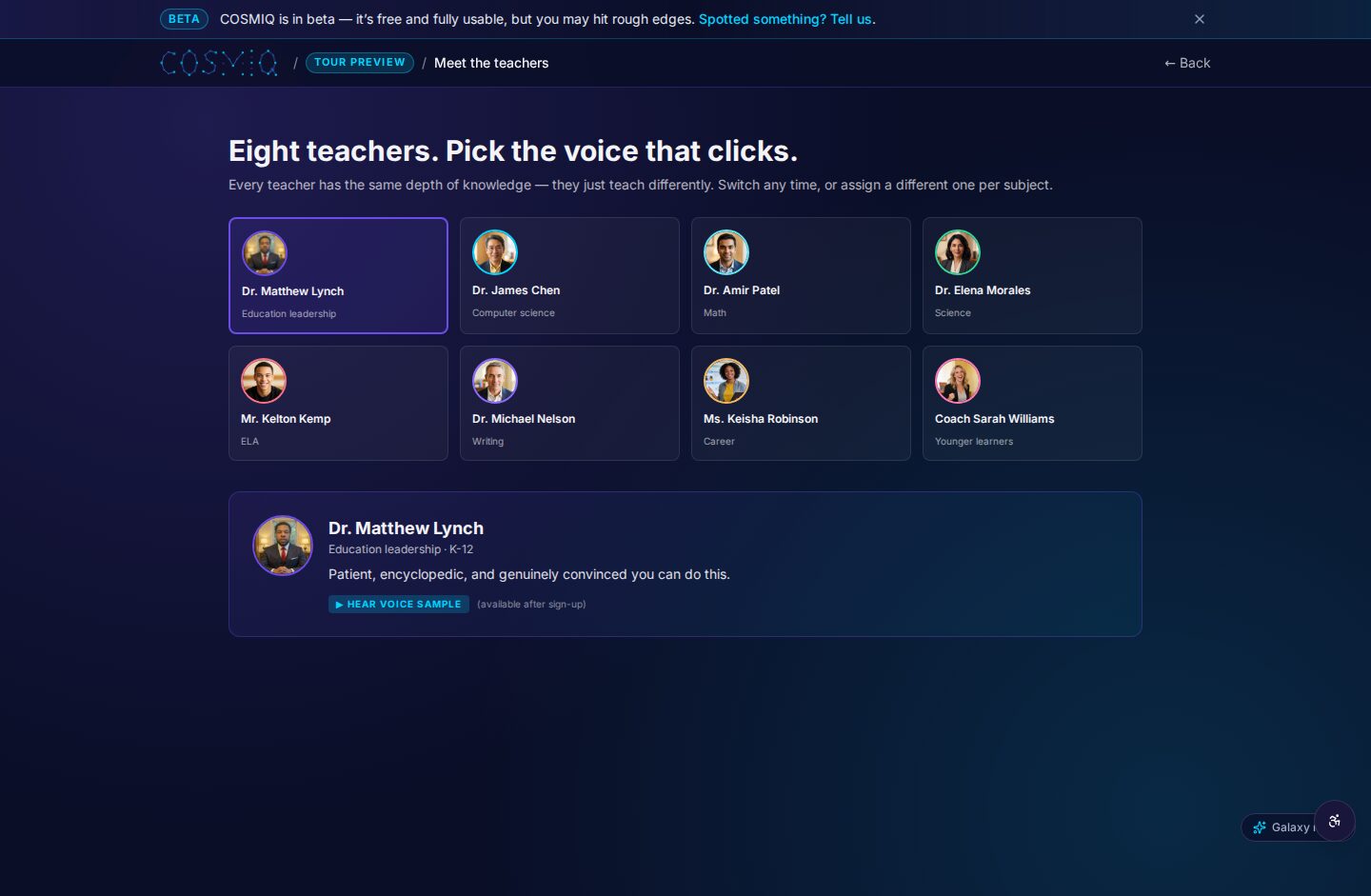
For students and families navigating complex academic or personal challenges, resources like COSMIQ can also provide a free, accessible layer of support. As a voice-driven AI tutor, COSMIQ offers K-12 students free, personalized academic assistance, helping to build confidence and understanding across various subjects, which can be particularly helpful during stressful times. Similarly, educators looking for ways to enhance their teaching strategies or access professional development might find value in exploring resources that support student well-being, such as those that inform the CARE Model.
Impact on the Community and Beyond
This work by Dr. Vanner and the University of Windsor has far-reaching implications. By improving how schools respond to disclosures of sexual violence, the initiative aims to build trust, reduce trauma, and ensure that students feel heard and protected. This positive impact extends beyond individual students to entire school communities, creating a culture of greater awareness and accountability. The University of Windsor's dedication to advancing bold and impactful research continues to empower positive change, both regionally and globally.
The CARE Model Guide, a tangible outcome of this collaborative effort, will be made available online following its launch, offering a valuable tool for educators seeking to enhance their capacity in this critical area. This marks a significant step forward in ensuring that schools are not just places of learning, but also havens of safety and support for all students.
Learn anything, free.
COSMIQ is a free, voice-driven AI tutor for every learner. No credit card, ever.
Start learning free →