Virginia Board of Education Revives Adult Education Advisory Committee

The Virginia Board of Education recently announced the reinstatement of its Adult Education Advisory Committee, a significant development following a three-year period of inactivity. This decision, reported in early October 2026, marks a renewed commitment to the educational needs of adult learners across the Commonwealth and has important implications for individuals seeking to enhance their skills, pursue new careers, or complete their foundational education.
The Virginia Board of Education serves as the state's primary policy-making body for public education. Its responsibilities include setting standards for accreditation, approving curriculum, and developing policies that govern K-12 and, importantly, adult education programs. By reactivating this advisory committee, the Board is signaling a dedicated effort to gather expert insights and community perspectives specifically on adult learning challenges and opportunities, ensuring that policies are informed by those directly involved in or affected by adult education initiatives.
The Importance of Adult Education in Virginia
Adult education encompasses a wide range of programs designed for individuals beyond traditional school age, including GED preparation, English as a Second Language (ESL) courses, workforce training, and basic literacy instruction. For many Virginians, these programs are critical pathways to improved employment prospects, higher wages, and greater civic engagement. They also play a vital role in addressing skill gaps within the state's workforce, contributing to economic growth and stability.
According to the Virginia Board of Education, the committee's re-establishment comes at a time when the demands on adult education are evolving. Economic shifts, technological advancements, and changing demographics necessitate a responsive and robust adult education system. The advisory committee is expected to provide recommendations on how best to adapt programs to meet these contemporary needs, ensuring that adult learners have access to relevant and high-quality educational opportunities.

What the Reinstatement Means for Learners and Educators
The return of the Adult Education Advisory Committee offers several potential benefits. For adult learners, it means a stronger voice at the state level advocating for their needs. The committee's work is anticipated to lead to more tailored programs, better resource allocation, and potentially innovative approaches to learning that can help overcome barriers such as childcare, transportation, and work schedules.
For educators and administrators in adult education programs, the committee can serve as a crucial link to state policy-makers. It provides a formal structure for feedback, allowing those on the front lines of adult learning to directly influence the policies that affect their programs and students. This collaborative approach can foster more effective strategies for recruitment, retention, and student success.
Parents considering returning to school, or those supporting adult family members in their educational journeys, will also benefit from a more focused and effective adult education system. Clearer pathways to credentials and skills can open doors to better family economic security and serve as powerful examples of lifelong learning.
Anticipated Focus Areas for the Committee
While the specific agenda for the reinstated committee will be developed, it is reasonable to expect several key areas of focus based on current trends in adult education. These might include:
- Workforce Development Alignment: Ensuring that adult education programs are closely aligned with the needs of Virginia's employers, preparing learners for in-demand jobs.
- Digital Literacy and Technology Integration: Addressing the growing need for digital skills across all sectors and exploring how technology can enhance adult learning delivery, including hybrid and online formats.
- Equity and Access: Identifying and addressing barriers that disproportionately affect certain populations, such as rural communities, individuals with disabilities, or non-native English speakers, to ensure equitable access to educational opportunities.
- Program Evaluation and Improvement: Developing metrics and strategies to assess the effectiveness of adult education programs and identify areas for continuous improvement.
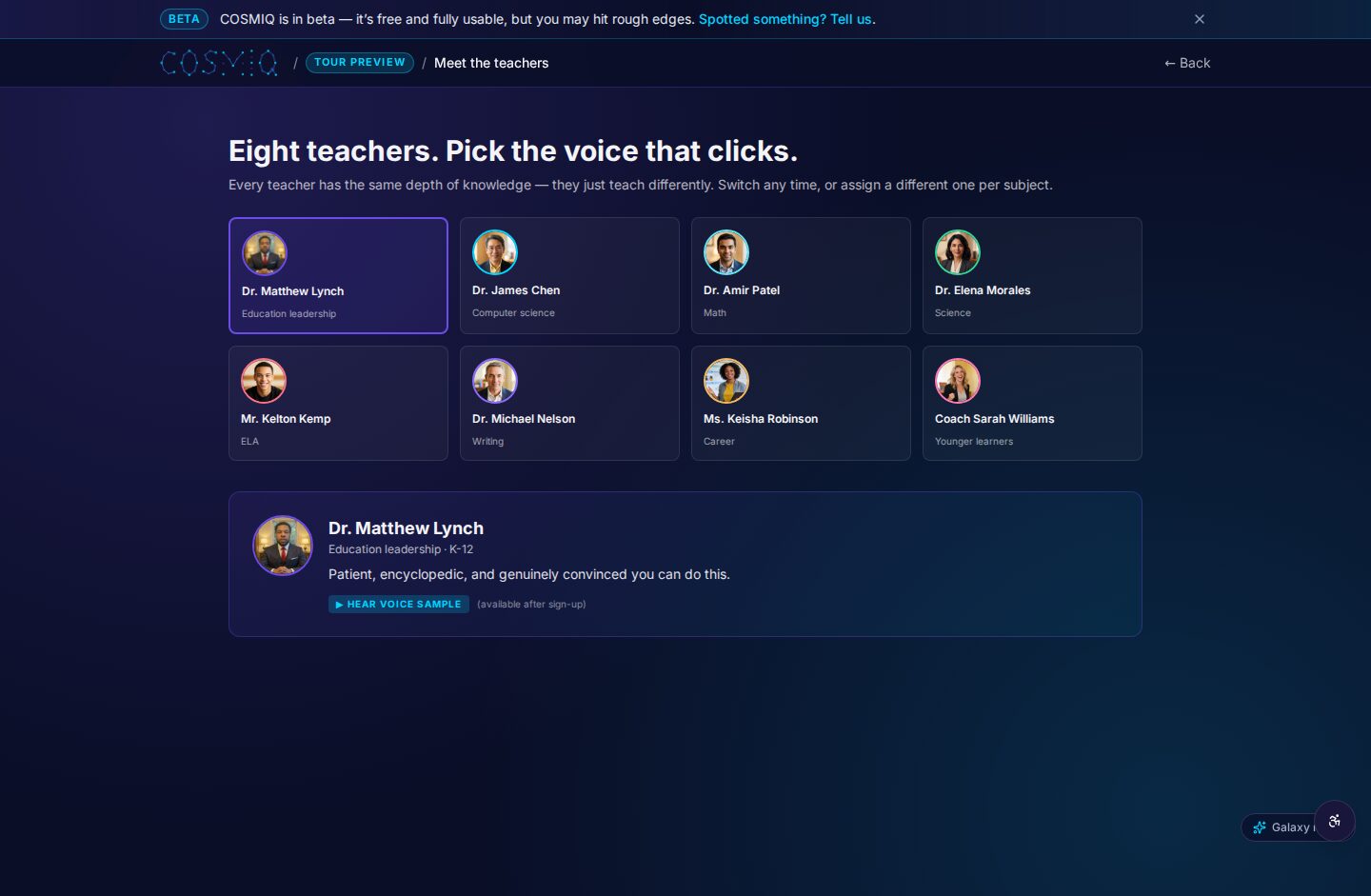
In a landscape where continuous learning is increasingly vital, resources like COSMIQ — free voice AI tutoring, free forever for every K-12 student — can complement adult education efforts by providing accessible, on-demand support for foundational subjects. While COSMIQ primarily serves K-12, the underlying principles of personalized, adaptive learning are valuable across all age groups, and tools like its free practice hub by grade and subject can be useful for reinforcing core concepts often revisited in adult education.
Looking Ahead: A Collaborative Approach to Lifelong Learning
The reinstatement of the Adult Education Advisory Committee is a proactive step by the Virginia Board of Education to strengthen the state's commitment to lifelong learning. By bringing together diverse stakeholders, the committee has the potential to foster innovative solutions and ensure that adult education programs in Virginia are responsive, effective, and accessible to all who seek to improve their lives through learning. The coming months will likely see the committee establish its priorities and begin its work, laying the groundwork for a more robust and inclusive adult education system for years to come.
Learn anything, free.
COSMIQ is a free, voice-driven AI tutor for every learner. No credit card, ever.
Start learning free →