Visual, Auditory, and Kinesthetic Learning: Myth or Reality?

If you’ve ever taken a learning style quiz, you might have been categorized as a visual, auditory, or kinesthetic learner. You’ve probably seen countless articles advising teachers and students to tailor instruction based on these styles. The idea is compelling: if you know your learning style, you can optimize your education. But is this concept backed by solid research, or are we simply buying into a learning styles myth?
Understanding the Learning Styles Myth
The notion that people have distinct learning styles—visual, auditory, or kinesthetic—has gained traction in educational circles. The premise is straightforward: learners retain information better when it is presented in a way that aligns with their preferred style. Sounds good, right? But here’s the catch. Research suggests that this theory might not be as clear-cut as it seems.
A growing body of evidence indicates that the learning styles myth is just that—a myth. In fact, a 2009 study published in "Psychological Science in the Public Interest" reviewed the existing literature and found no substantial evidence that tailoring instruction to these styles enhances learning outcomes. If learning styles don’t really exist in the way we think they do, then what does that mean for how we approach education? This leads us to question not just the validity of the myth but also its implications on how we teach.
To further complicate matters, the popularity of the learning styles framework can lead to a false sense of security. Many educators may feel that once they identify a student’s learning style, they have all the tools necessary to engage that learner. However, this is often a misunderstanding of how learning actually occurs. In reality, the process is dynamic and context-dependent.
The Fallacy of Segmentation
One of the biggest flaws in the learning styles myth is the oversimplification of individual differences. People are complex beings with varying experiences, backgrounds, and preferences. Trying to categorize someone into a single learning style ignores the nuances of how people absorb, process, and retain information.
For instance, while a student might prefer visual aids when learning a new concept, that doesn’t mean they can’t benefit from auditory explanations or hands-on experiences. Learning is not a one-size-fits-all approach. Instead, it’s more about flexibility and adaptability in teaching methods. Imagine a student learning about the water cycle. They might enjoy seeing a diagram (visual), listening to a podcast explaining the process (auditory), and even building a model of the water cycle (kinesthetic). Each of these methods enhances their understanding in different ways.
Moreover, research shows that people often don’t have a single, fixed method of learning. Instead, they may adapt their approach based on the material they are learning. For example, a student might find that they learn best through visual methods when studying mathematics but prefer hands-on activities when it comes to science experiments. This variability reflects a more complex interaction between the learner and the content than the rigid categories of learning styles allow.
What Really Works in Learning
So if learning styles aren’t the key to unlocking educational success, what is? Research indicates that the most effective learning strategies have less to do with style and more to do with engagement and active participation. Techniques such as spaced repetition, retrieval practice, and interleaving (mixing different topics or subjects) have shown to improve retention and understanding.
Let’s take spaced repetition as an example. This technique involves reviewing material at spaced intervals, which can significantly enhance memory retention. It doesn’t matter whether you identify as a visual, auditory, or kinesthetic learner. Everyone can benefit from revisiting information periodically, regardless of the medium used to convey that information. Imagine studying for a history exam. Instead of cramming the night before, you could review your notes every few days over a month. This kind of strategic studying has been proven to yield better results.
Additionally, retrieval practice—actively recalling information—has been shown to reinforce learning more effectively than passive review. For instance, instead of just reading a textbook chapter, try summarizing what you learned without looking at the text, or explaining it to a friend. Engaging in discussions or teaching concepts to peers forces you to organize your knowledge and clarify your understanding. This active participation can lead to deeper learning and better retention, no matter your so-called learning style.
Embracing Universal Design for Learning (UDL)
Instead of fixed learning styles, consider implementing Universal Design for Learning (UDL). UDL is an educational framework that aims to optimize teaching by providing multiple means of engagement, representation, and action/expression. This approach recognizes that learners have diverse needs and preferences but doesn’t box them into strict categories.

For example, in a UDL classroom, a lesson on a historical event might include a documentary (visual), a podcast (auditory), and a hands-on project (kinesthetic). This allows students to engage with the material in various ways, catering to their preferences while also exposing them to different methods of learning. The key here is not to assign a style but to offer a buffet of options. You might even include interactive simulations or virtual reality experiences to fully immerse students in the subject matter, catering to various preferences and keeping everyone engaged.
Another aspect of UDL is the emphasis on student choice. Giving learners options in how they demonstrate their understanding can lead to greater motivation and investment in their education. For example, instead of a traditional essay, students might choose to create a video presentation, develop a website, or even design a board game based on the material. This flexibility encourages exploration and creativity, allowing students to find the methods that resonate with them on a deeper level.
The Role of Feedback and Reflection
Another critical aspect of effective learning is feedback. Whether you identify as a visual, auditory, or kinesthetic learner, feedback helps you understand your strengths and weaknesses. In any educational setting, constructive feedback gives learners the opportunity to reflect on their work and adjust their strategies.
For instance, a student who struggles with essay writing can benefit from feedback on structure, argument quality, and grammar. Reflecting on this feedback allows them to adapt their approach to writing in the future. This process of reflection and adjustment is universal, transcending any alleged learning style. Consider regular check-ins or peer reviews. These not only help students receive feedback but also encourage them to critically evaluate others' work, further deepening their understanding.
Feedback should also be timely and specific. Instead of a vague comment like "good job," a more detailed response like "your argument was strong, but you need to support it with more evidence" provides a clearer path for improvement. This kind of targeted feedback can empower students to take ownership of their learning and understand exactly where they need to focus their efforts.
Challenges in Education
The persistence of the learning styles myth can create challenges in educational systems. For one, it can lead teachers to adopt ineffective instructional methods based on misconceptions. If educators believe that each student learns best in a specific way, they may neglect teaching strategies that could benefit the entire class.
Additionally, this myth could discourage students who don’t feel they fit neatly into one category. Instead of exploring a variety of learning methods, they might limit themselves to what they believe is their ‘style.’ This self-limiting behavior can stifle curiosity and diminish the richness of the educational experience. Imagine a student who thinks they are only a 'visual learner'. They might avoid listening to audio lectures or participating in discussions, missing out on valuable insights and perspectives.
Moreover, the reliance on the learning styles myth can foster a fixed mindset. If students feel labeled, they may develop a belief that they can only learn in one particular way, which can limit their willingness to try new approaches. Encouraging a growth mindset—where students understand that abilities can be developed through dedication and hard work—can counteract this trend, encouraging them to be more experimental in their learning journeys.
Redefining Assessment Methods
Another angle to consider is how the learning styles myth impacts assessment methods. Often, traditional assessments rely heavily on written exams and quizzes, which may not accurately capture a student’s understanding or abilities. If assessments are aligned with the myth of learning styles, we risk alienating students who could excel in different formats.
For example, a student may struggle with a standardized test that requires recall of visual diagrams but could excel in presenting their understanding through a project or oral presentation. By broadening assessment methods to include project-based learning, presentations, and even creative assignments, educators can obtain a more accurate picture of a student's grasp of the material. This approach not only caters to diverse learners but also encourages critical thinking and creativity.
Consider the use of formative assessments, which allow educators to gauge understanding throughout the learning process rather than at the end. These can take the form of quick checks for understanding, group discussions, or even exit tickets where students reflect on what they’ve learned that day. Such methods provide immediate feedback and create opportunities for adjustment in teaching, benefiting all students regardless of alleged learning styles.
The Role of Technology in Learning
In recent years, technology has transformed the educational landscape. Online learning platforms, educational apps, and interactive tools have made it easier to incorporate a variety of teaching methods. This is a golden opportunity to move past the learning styles myth and embrace a more comprehensive approach.
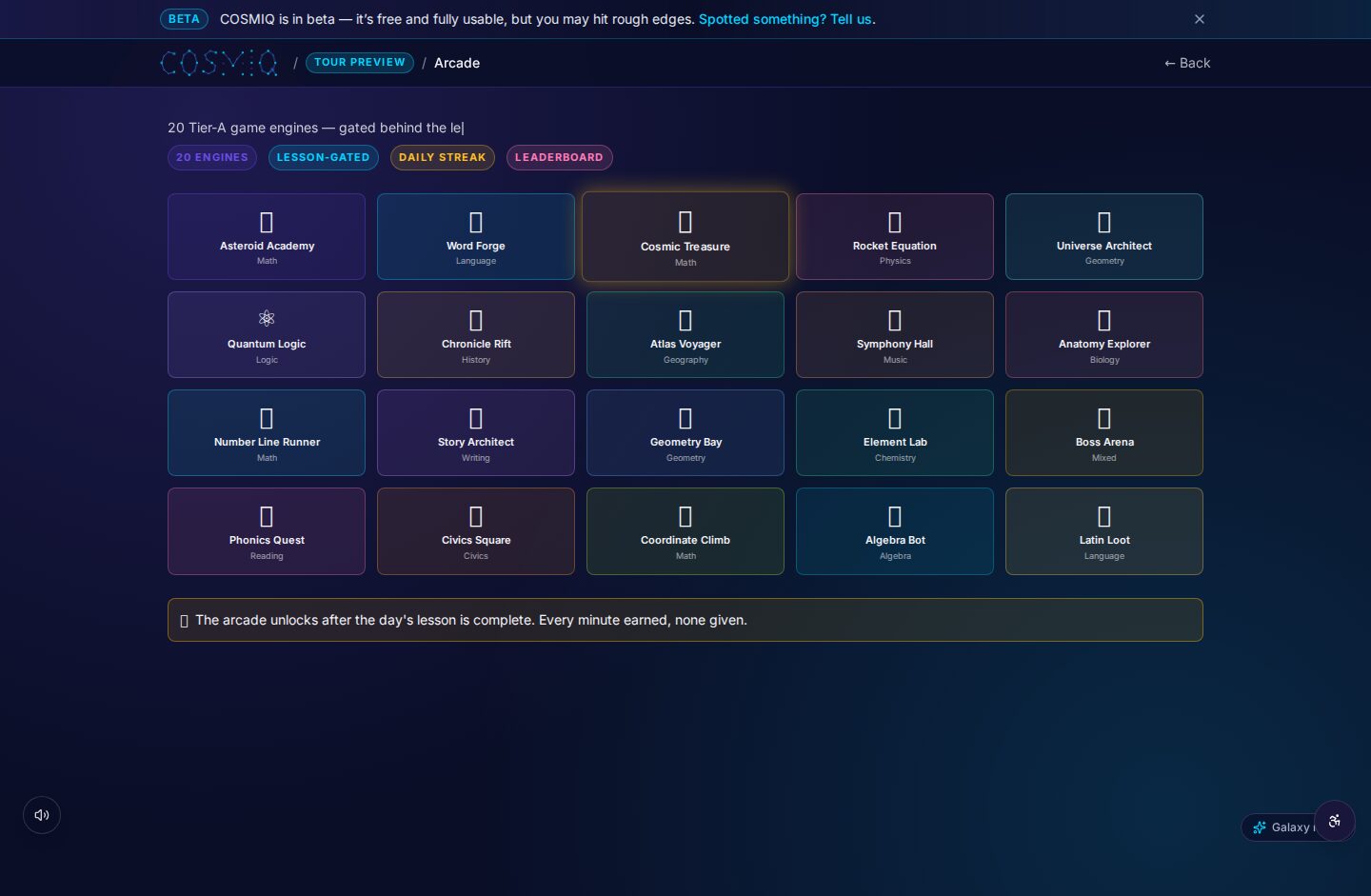
For instance, tools like interactive quizzes can engage students in a way that caters to multiple learning preferences. Video lessons can be paused and replayed, while discussion forums allow for auditory learners to thrive. Think about how platforms like Pedagogue or Cosmiq can provide diverse resources for students and teachers alike. By integrating technology, you can support a spectrum of learning methods and personalize education in ways that a traditional classroom might struggle to do.
Moreover, the rise of adaptive learning technologies means that educational software can assess a student’s performance in real-time and tailor subsequent lessons accordingly. This personalized approach ensures that every learner is addressed based on their unique needs rather than being pigeonholed into a learning style. For example, if a student excels in multiple-choice tests but struggles with open-ended questions, adaptive software can provide more practice in the latter to help them develop that skill.
Incorporating Social Learning
Another vital aspect of effective education is social learning. Human beings are inherently social creatures, and much of our learning occurs through interactions with others. The learning styles myth, in its push for individualized instruction, can sometimes overlook the power of collaborative learning experiences.
Group projects, study groups, and peer teaching can facilitate a deeper understanding of material while allowing students to gain insights from their classmates. For instance, when working on a group assignment about a scientific concept, students can discuss their thoughts, challenge each other’s ideas, and come to a collective understanding. This kind of social interaction enhances learning by allowing students to articulate their thoughts and hear diverse perspectives, which can lead to a richer educational experience.
Additionally, incorporating social learning strategies can help students develop vital soft skills, such as teamwork and communication. These skills are essential in both academic settings and the workforce. By promoting collaboration and discussion in the classroom, educators can create a more dynamic and engaging environment that benefits all learners.
Final Thoughts on Learning and Development
In a world full of information, the goal isn’t just to learn but to become effective, adaptable learners. The learning styles myth oversimplifies the complex nature of human cognition. By embracing a more holistic, flexible, and research-backed approach to education, we can better empower ourselves and others to learn effectively.
Remember, it’s not about fitting into a label; it’s about finding what works for you. So, the next time you hear about visual, auditory, or kinesthetic learning, ask yourself: is this truly helping me learn, or is it just another myth? Challenge yourself to explore various methods and embrace the richness of an adaptable learning journey.
As we continue to navigate the world of education, let’s focus not on how to fit students into predefined boxes but on how to cultivate a learning environment that nurtures curiosity, encourages exploration, and respects the diverse ways in which we all absorb knowledge.
Related resources: drmattlynch.com · pedagogue.app · getcosmiq.app
Learn anything, free.
COSMIQ is a free, voice-driven AI tutor for every learner. No credit card, ever.
Start learning free →