Visual, Auditory, and Kinesthetic Learning Styles: Myth or Meaningful Framework?

Understanding Learning Styles
When it comes to education, we often hear buzzwords that promise to revolutionize the way we teach and learn. Among these, the concept of learning styles is a hot topic. You might have heard about visual, auditory, and kinesthetic learning styles and how they supposedly dictate how different people absorb information. But is this learning styles framework genuinely useful, or is it just another educational myth?
At its core, the theory is quite simple. Some people learn best by seeing information (visual learners), others by hearing it (auditory learners), and still others by doing (kinesthetic learners). This idea gained traction in the late 20th century and quickly became a popular topic in teacher training and curriculum creation. But does it hold water? Let's break this down.
The Science Behind Learning Styles
Do you know the first thing that skeptics point out? The lack of scientific evidence supporting the learning styles theory. Numerous studies have sought to verify whether tailoring educational methods to these styles enhances learning outcomes. The results? They often find no significant difference in performance based on a person's supposed learning style.
Take, for example, a comprehensive review conducted in 2018 that analyzed 50 years' worth of research. It concluded that adapting teaching to individual learning styles doesn't lead to better learning. Instead, what matters more is the quality of instruction and how engaging the material is. So, if you think just because a student is labeled as a visual learner, they’ll absorb information better through flashy PowerPoints, think again.
This finding resonates with the experiences of many educators. Consider a classroom where the teacher focuses solely on visual aids for a group identified as visual learners. If the class material isn't engaging, the students may still struggle to grasp the concepts. On the flip side, a dynamic lecture with enthusiastic discussions may captivate even those identified as kinesthetic learners, highlighting that engagement transcends labels.
Criticism of the Learning Styles Framework
Even educators who are aware of the learning styles framework often express concerns over its validity. Critics argue that categorizing students into rigid boxes stifles their ability to learn in various ways. You don't just interact with the world in one manner, do you? Most of us use a mix of visual, auditory, and kinesthetic methods every day.
Imagine sitting in a history class. You might grasp concepts from a textbook (visual), engage in a discussion with your peers (auditory), and even participate in a role-play to better understand a historical event (kinesthetic). Learning should be flexible, not limited to a one-size-fits-all approach. This criticism pushes educators to rethink how they engage with students.
Furthermore, labeling students can lead to complacency. If a child is categorized as a visual learner, they might not be encouraged to engage in other learning methods. This not only limits their ability to adapt in diverse situations but also diminishes their willingness to explore different subjects or approaches. For example, a student who identifies strictly as a visual learner may shy away from oral presentations, missing opportunities to develop valuable communication skills.
Real-World Applications of Learning Styles
Despite the pushback, some educators still find value in the learning styles framework—not as a strict rule, but as a guideline. For instance, a teacher might present a lesson using a mix of methods: diagrams for visual learners, group discussions for auditory learners, and hands-on activities for kinesthetic learners. It’s about variety.
Think about a science class. If students are learning about the water cycle, an educator might use colorful diagrams (visual), discuss the topic in small groups (auditory), and even conduct a simple experiment showing evaporation (kinesthetic). By incorporating multiple approaches, the teacher caters to a wider audience while keeping the lesson dynamic.
In practice, this means creating a lesson plan that isn’t just about lectures or textbooks. Consider a theme like ecosystems. You could show a documentary clip to provide visual context, hold a group discussion for students to share their thoughts, and then take the class outside for a nature walk to experience the ecosystem firsthand. Each method reinforces the learning, helping students create connections across different modalities.
Making Learning Styles Work for You
If you're a student or even an educator, how can you use the learning styles framework in a beneficial way? First, take some time to identify how you or your students prefer to learn. It doesn't have to be rigid. Reflect on past experiences and ask yourself or your students what methods worked best in different situations.
For example, if you find that reading textbooks feels monotonous but you thrive in discussions, lean into that. Engage in study groups or use podcasts to learn. If you're teaching, ask your students about their preferences and how they like to engage with the material. This way, you can create a classroom environment that’s flexible and responsive.
Moreover, students can take ownership of their learning by experimenting with different methods. If a student usually relies on visual aids, they might try explaining concepts to a peer or using physical models to grasp challenging topics. This encourages a growth mindset, opening the door to discover new pathways to understanding. And for educators, it’s crucial to model this adaptability, showing students that exploring various methods can lead to deeper learning.
Adaptive Learning Technologies
With advancements in technology, there are now tools that adapt to different learning preferences without strictly categorizing individuals. Adaptive learning platforms, for example, can adjust their content delivery based on a user’s interactions. This aligns with the essence of the learning styles framework without being too rigid.
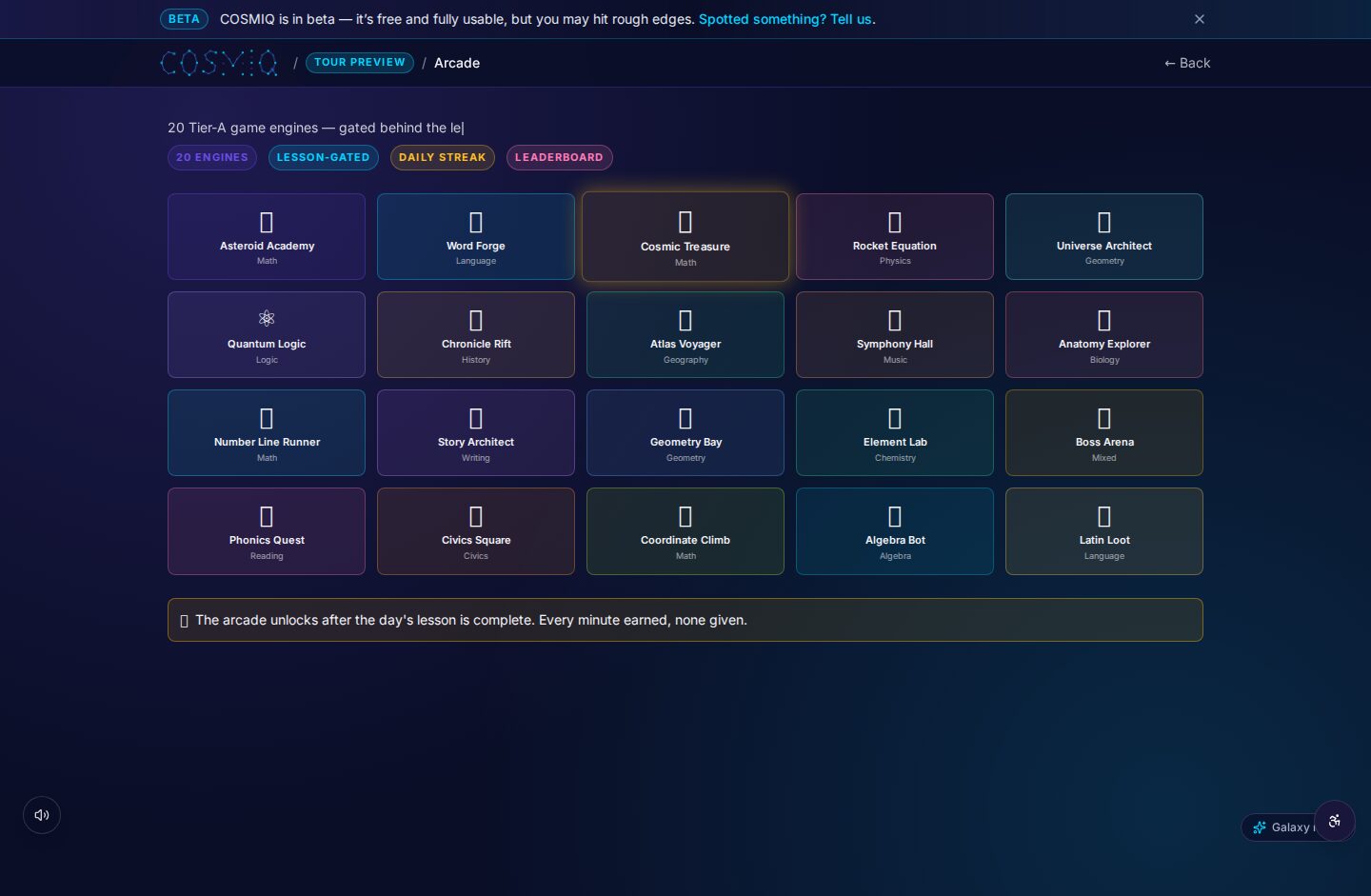
Platforms like Cosmiq and Pedagogue are examples that offer personalized learning experiences. They track progress and adapt content accordingly. Imagine a student who struggles with a particular concept. Instead of sticking to a one-size-fits-all approach, these tools can present the information in various formats, whether they're visual aids, audio explanations, or interactive quizzes, catering to the learner's needs.
The power of adaptive learning technology lies in its ability to identify gaps in knowledge and adjust accordingly. For instance, if a student is mastering visual content but struggling with auditory materials, the platform might provide additional visual resources or interactive activities that reinforce the concepts taught through listening. This flexibility reflects a more nuanced understanding of learning styles without confining students to predefined categories.
Emphasizing a Holistic Approach
Ultimately, whether or not you subscribe to the learning styles framework, the key takeaway is the importance of a holistic approach to education. Learning is not merely about transferring facts; it's about engaging students in a way that resonates with them. We all have unique backgrounds, interests, and experiences that shape how we learn.
Educators shouldn't feel constrained by the learning styles framework. Instead, they should draw from its principles while also embracing effective teaching strategies backed by research. Use varied instructional methods, provide opportunities for students to explore topics deeply, and create an environment where questioning and collaboration are encouraged.
In practice, this holistic approach means designing lessons that resonate with diverse learners. Think about incorporating project-based learning, where students can choose how they want to showcase their understanding of a topic. Some might create a visual presentation, while others might write a report or perform a skit. Each method allows for personal expression, reflecting their individual learning preferences and strengths.
The Role of Emotional Engagement in Learning
One often-overlooked aspect of the learning styles framework is the role of emotional engagement in the learning process. Have you ever noticed how a topic that sparks your interest can make learning feel effortless? The emotional connection you have with the material can greatly influence how effectively you absorb information.

For example, when students feel passionate about a subject, they are more likely to dive deeper, regardless of their learning style. A student intrigued by environmental issues may excel in a project involving sustainability, thriving in both group discussions and hands-on projects. This emotional investment can lead to a more profound understanding than simply categorizing their learning style.
Educators can enhance emotional engagement by creating a learning environment that encourages curiosity and creativity. By fostering a space where students feel safe to express their thoughts and explore topics that matter to them, you tap into their intrinsic motivation. This creates a powerful learning experience that goes beyond traditional frameworks, blending various methodologies to create a rich educational journey.
Building a Collaborative Learning Environment
Another critical aspect of the learning styles framework is the potential for collaboration among students. Learning is inherently social. By working together, students can leverage each other's strengths and compensate for their weaknesses. Collaboration can also expose students to different perspectives and approaches, enhancing their overall understanding of the material.
For instance, consider a group project where students are tasked with creating a presentation on a historical figure. A visual learner might take the lead in designing slides and visuals, while an auditory learner could focus on scripting the presentation. A kinesthetic learner might even create a short skit to illustrate key points. This collaborative effort allows each student to contribute uniquely, reinforcing their learning while also honing their teamwork skills.
Additionally, this environment encourages students to communicate. They learn not only to articulate their ideas but also to listen actively to others. In this way, students become more adaptable, which is an essential skill for future success in any field. By fostering collaboration in your classroom, you’re not just imparting knowledge; you’re shaping well-rounded individuals who can thrive in diverse environments.
Integrating Technology in Learning
We can't ignore the role of technology in shaping how we understand and implement the learning styles framework. With the rise of online resources and digital platforms, students have unprecedented access to information in various formats. This accessibility allows learners to engage with material in a way that aligns with their preferences, be it through videos, podcasts, or interactive simulations.
For example, a student struggling with mathematical concepts can find YouTube tutorials that use visual demonstrations, audio explanations, and even interactive problem-solving tools. This blend of multimedia resources caters to different learning styles, making it easier for the student to grasp complex ideas. Furthermore, students can choose the method that works best for them, leading to greater ownership of their learning.
Educators can also utilize technology to diversify their teaching methods. Tools like Google Classroom or educational apps can provide diverse resources that support different learning preferences. By integrating technology into the curriculum, teachers can create a more responsive and engaging classroom environment. Imagine a classroom where students can access lesson materials online, participate in virtual discussions, and submit projects through various formats. This not only enhances the learning experience but also prepares students for an increasingly digital world.
Final Thoughts on Learning Styles Framework
So, is the learning styles framework a myth or a meaningful tool? The answer isn't black and white. While the strict categorization of learners may not hold up under scrutiny, the idea of varying teaching methods to engage different students is undeniably relevant. It pushes us to be more thoughtful about how we educate.
As an educator or a learner, think critically about your own experiences. Test out different methods. Be willing to adapt and evolve. The true power lies not in labeling but in understanding the rich tapestry of human learning. Embrace the complexity of education, recognizing that each learner is a dynamic individual shaped by a multitude of factors.
Learn anything, free.
COSMIQ is a free, voice-driven AI tutor for every learner. No credit card, ever.
Start learning free →