Ways Forward for Measuring Learning

A test score can offer useful information, but it is only one view of learning. Students show understanding in different ways: explaining an idea aloud, applying a skill to a new problem, revising a draft, asking a thoughtful question, or steadily improving after feedback. A stronger approach to measuring learning combines several kinds of evidence and uses them to decide what to do next. For students, parents, and teachers, the goal is not simply to label performance. It is to make learning more visible, actionable, and fair.
Start with the purpose of the measurement
Before choosing a quiz, project, rubric, or exam, ask a basic question: What decision will this information help us make? The answer should shape the assessment.
- To identify starting points: use a brief diagnostic task, conversation, or sample of prior work.
- To improve learning while it is happening: use low-stakes checks, practice questions, exit prompts, and feedback.
- To summarize what has been learned: use an end-of-unit task, portfolio, presentation, or test aligned to the learning goals.
- To plan support: look for patterns across multiple pieces of evidence rather than reacting to one result.
Confusion often arises when one measure is expected to serve every purpose. A timed multiple-choice test may efficiently check selected knowledge and skills, but it may not reveal how a student reasons, collaborates, researches, or improves a piece of writing. Likewise, a polished project may demonstrate application but make it harder to see which individual skills need practice. Matching the method to the purpose leads to more useful conclusions.
Use a balanced picture, not a single number
Good measurement is a collection of relevant evidence. This does not mean assessing everything all the time. It means choosing a manageable mix that reflects the learning target. In mathematics, for example, a teacher might consider accuracy, a student’s explanation of strategy, and the ability to apply the concept in an unfamiliar situation. In language arts, evidence may include reading discussion, a written response, revision notes, and a final draft.
Useful sources of evidence
- Quick checks: short questions, retrieval practice, or a one-minute explanation that reveals immediate understanding.
- Student talk: oral explanations and conferencing can uncover thinking that a written answer does not show.
- Work samples: drafts, problem sets, lab notes, and annotated texts show process as well as product.
- Performance tasks: presentations, investigations, demonstrations, and projects ask students to apply learning meaningfully.
- Student reflection: learners can identify what they understand, where they are unsure, and what strategy they will try next.
Families can contribute to this balanced view by looking beyond grades alone. Ask to see a recent piece of work and discuss it with questions such as, “What was challenging here?” “What feedback did you receive?” and “What will you change next time?” These conversations support learning without turning every result into a judgment.
Make feedback specific enough to use
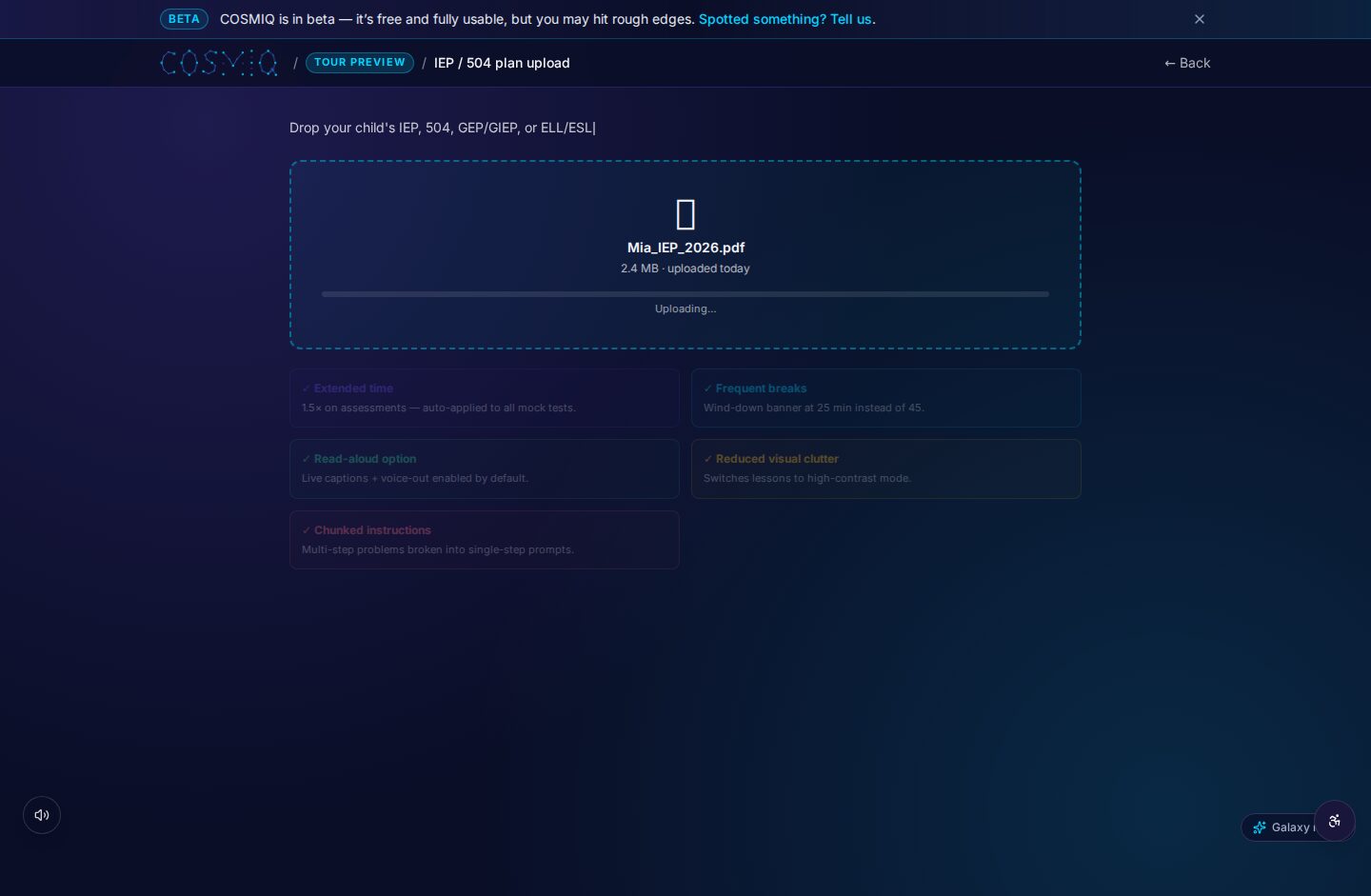
A mark tells a student where they landed; feedback should help them move. The most helpful feedback is connected to a clear goal, identifies what is working, and names a realistic next step. “Add evidence from the text to support your claim” is more actionable than “Needs improvement.” “Check units before calculating” is more useful than simply marking an answer wrong.
Feedback is most valuable when a student has time and support to act on it.
That final point matters. If feedback arrives only after a unit has ended and no revision is possible, it has limited instructional value. Teachers can build in short opportunities to retry a problem, revise a paragraph, explain a changed answer, or complete targeted practice. Students can keep a simple record of recurring feedback themes, such as organizing evidence, showing steps, or checking vocabulary. Over time, this turns feedback into a learning habit rather than a list of corrections.
Design for fairness and clarity
Measurement is more trustworthy when students understand what they are being asked to learn and how their work will be judged. Share success criteria in student-friendly language before the task begins. Rubrics can help when they describe meaningful qualities of work rather than merely assigning points.
Fairness also requires attention to barriers unrelated to the learning goal. If the aim is to assess scientific reasoning, a complicated writing demand may obscure a student’s understanding. If the aim is to assess reading fluency, an oral response may be appropriate; if the aim is to assess historical analysis, students might demonstrate it through a structured essay, discussion, or presentation when the criteria remain consistent. Appropriate supports, accessible instructions, and opportunities to clarify directions can make assessment more inclusive without lowering expectations.
Digital and voice-based tools can support this process when used thoughtfully. A student may explain their reasoning aloud, receive practice prompts, or review feedback in a format that fits their needs. The tool should serve the learning goal, not distract from it. Adults should also be clear about privacy, ensure that students can ask for help, and avoid treating automated feedback as the final word on complex work.
Turn evidence into a next-step plan
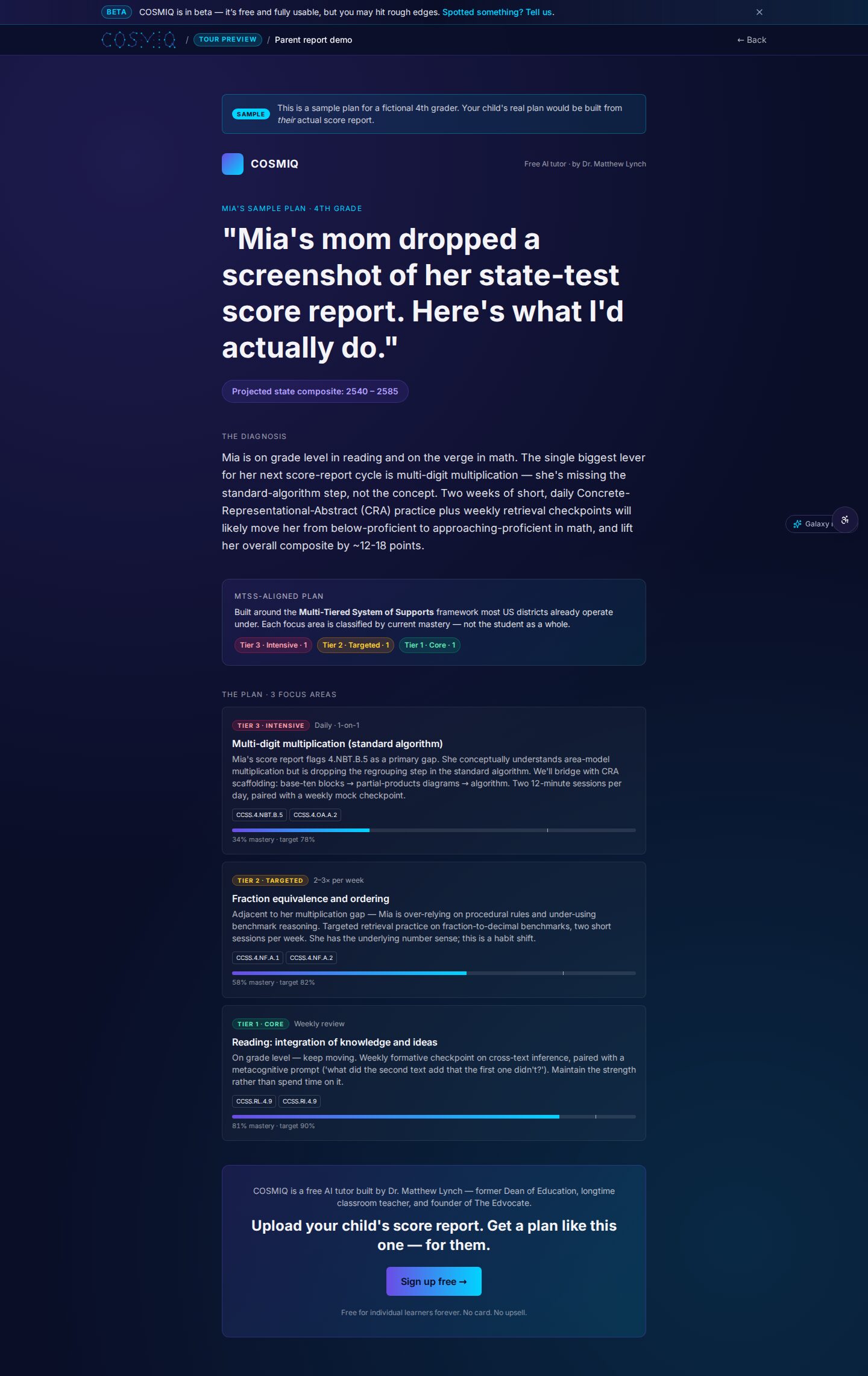
Measuring learning matters only if the information changes what happens next. After reviewing evidence, keep the response simple: continue, practice, reteach, extend, or revise. A student who has mastered a skill may need a richer application task. A student with a partial understanding may need a worked example and a small set of focused questions. A student who is stuck may benefit from a different explanation, a conversation, or more time.
- Name the skill or concept being checked.
- Review more than one piece of evidence when possible.
- Identify one strength and one priority for growth.
- Choose a specific next action and a time to revisit it.
- Invite the student to explain what support would help.
Moving forward on measuring learning does not require abandoning tests or creating endless paperwork. It requires using the right evidence for the right purpose, listening closely to student thinking, and making room for revision. When measurement becomes part of the learning process, it can help students, families, and teachers see both current progress and the path ahead.
Learn anything, free.
COSMIQ is a free, voice-driven AI tutor for every learner. No credit card, ever.
Start learning free →