What the Research Says About AI Tutoring and Outcomes

Introduction
Artificial Intelligence (AI) is rapidly changing the landscape of education. You’ve probably heard about AI tutors and how they’re being integrated into classrooms. But what does the research really say about their effectiveness? It’s not just about having a fancy algorithm; it’s about improving outcomes for students. In this article, we’ll explore various AI tutoring research evidence, examine case studies, and discuss both the potential and the pitfalls of this technology.
Understanding AI Tutoring
At its core, AI tutoring refers to computer programs designed to provide personalized learning experiences. These systems adapt to individual student needs, offering tailored instruction that traditional classrooms often struggle to achieve. But you might wonder, how does it actually work? AI tutors analyze student interactions, progress, and performance to modify the learning material accordingly. It’s a dynamic process, utilizing real-time data to make learning more effective.
The goal is straightforward: to enhance student engagement and boost academic performance. But what does the data say? When we look at various AI tutor case studies K-12, we start to see trends emerge. For instance, students using AI tutoring systems often outperform their peers in standardized tests and show greater retention of knowledge. It’s not just anecdotal; there’s substantial research backing these claims.
The Evidence from Research Studies
Let’s dive into the research evidence. Numerous studies have explored the impact of AI tutoring on student outcomes. One particularly compelling study found that students who engaged with AI tutors demonstrated a 20% improvement in test scores compared to those who received traditional instruction alone. But the benefits extend beyond academics. Social-emotional outcomes also show promise, with students reporting increased confidence and motivation.
Another research piece highlighted how AI tutoring can help bridge gaps for students who struggle. For example, students who had previously failed math courses showed remarkable improvement after participating in an AI tutoring program. They not only passed their courses but also expressed a newfound interest in the subject. It’s fascinating how technology can spark motivation, isn’t it?
Personalization in Learning
One of the standout features of AI tutoring is its ability to deliver personalized learning experiences. Traditional classrooms often have a one-size-fits-all approach, which can leave some students behind. AI tutors, however, adjust lessons based on individual performance, learning styles, and even emotional states. This personalization can lead to higher engagement levels.
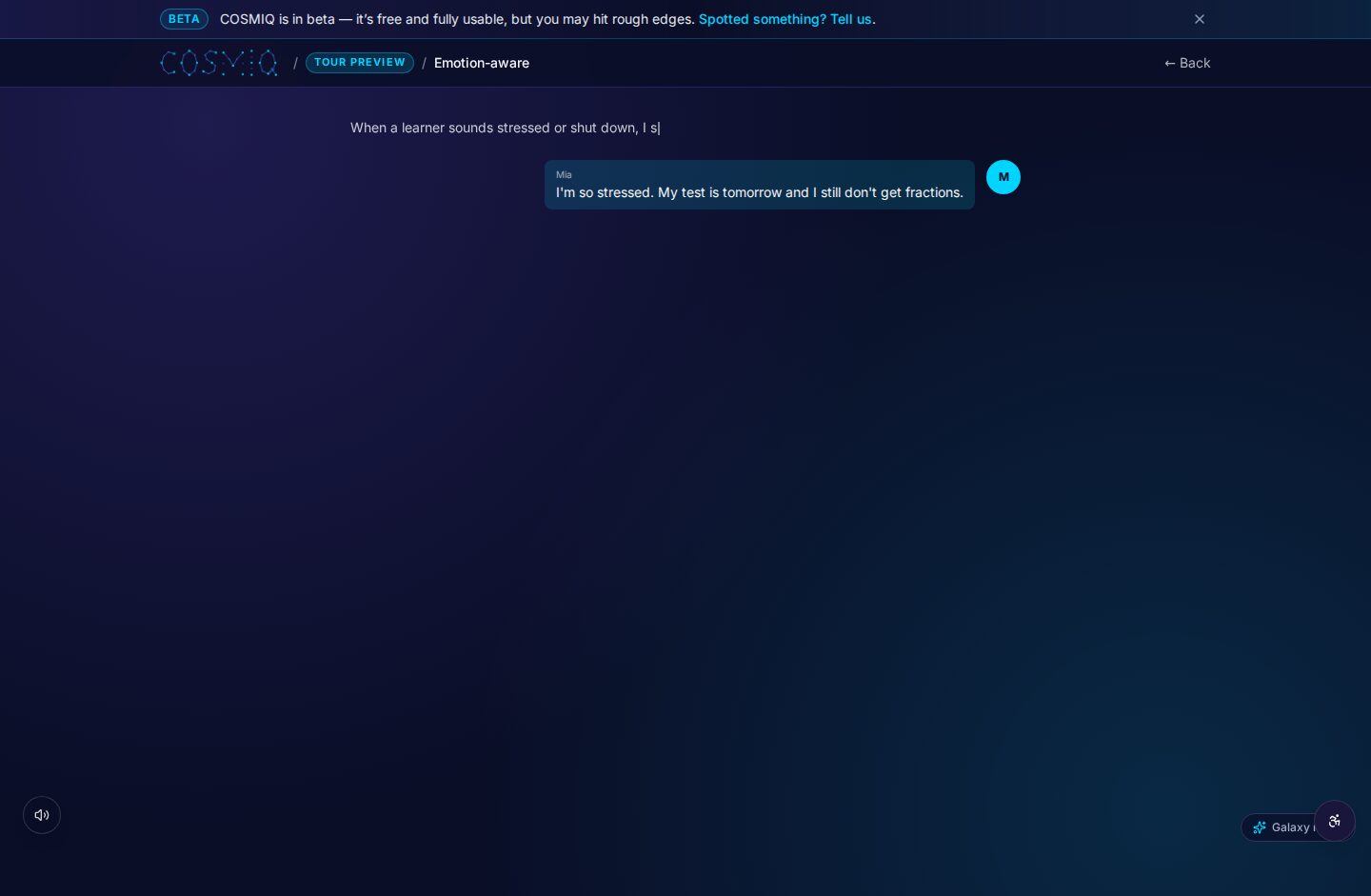
For instance, an AI tutoring platform might recognize that a student struggles with fraction concepts. Instead of moving on, the system can provide additional resources, practice problems, or even alternate explanations to solidify understanding. Imagine how empowering that can be for a student who feels overwhelmed or lost in a traditional classroom setting.
Challenges and Limitations
While the benefits of AI tutoring are impressive, it’s not all sunshine and roses. There are challenges and limitations worth discussing. For one, the technology isn’t foolproof. Not every student will respond positively to AI tutors. Some learners thrive in an interactive, human-led environment and might find AI’s responses lacking. Additionally, the reliance on technology poses questions about accessibility. Not every student has equal access to the necessary devices or reliable internet.
Moreover, data privacy is a significant concern. Schools must tread carefully to ensure student data is protected. Parents and educators need to be aware of where data is stored and how it’s used. Balancing innovation with ethical considerations is crucial as we navigate this new educational frontier.
Looking at Case Studies
Let’s take a closer look at some specific AI tutor case studies K-12 to illustrate both the potential and challenges I just mentioned. In one case, a school district implemented an AI tutoring system designed to support students struggling in literacy. The results were astonishing; within one academic year, students showed increases in reading proficiency levels comparable to those of their peers receiving individualized instruction from reading specialists.
However, the same case study revealed significant variations in student responses. While many students thrived, others found the AI tutor unengaging and difficult to interact with. This highlights an essential point: while AI tutoring can be a powerful tool, it needs to be integrated thoughtfully and supported by human instructors who can offer emotional and social support.
Future Implications of AI Tutoring
So, what does the future hold for AI tutoring in education? As technology continues to evolve, we can expect even more sophisticated systems that can analyze not only academic performance but also behavioral and emotional indicators. Imagine an AI tutor that can gauge a student’s frustration level and adjust its teaching strategy in real-time.
However, educators should remain vigilant. The role of teachers is irreplaceable, and while AI can enhance education, it shouldn’t be viewed as a replacement. Instead, we should aim for a collaborative approach where teachers and AI tutors work together to provide the best possible learning experience.
Impact on Teacher Roles
The integration of AI tutoring is reshaping the roles of teachers in the classroom. Traditionally, teachers were the primary source of information and guidance. Now, with AI stepping in to handle some of the instructional responsibilities, teachers can shift their focus to facilitating deeper learning experiences. This doesn’t mean they’re becoming obsolete; rather, they are evolving.
For instance, consider a scenario where an AI tutor identifies a group of students struggling with a particular math concept. Instead of spending valuable class time on remedial instruction, the teacher can concentrate on more advanced topics or arrange group discussions to enhance critical thinking. This approach not only maximizes efficiency but also allows teachers to foster a more enriched learning environment.
However, it’s crucial for educators to receive training on how to effectively incorporate AI into their teaching strategies. Professional development opportunities should emphasize how to interpret AI-generated data and apply it in a way that enhances student learning. The future of education lies in collaboration between AI systems and skilled educators.
Equity and Accessibility Issues
Another critical aspect of AI tutoring revolves around equity and accessibility. While AI has the potential to provide personalized learning experiences, it must be accessible to all students. Unfortunately, disparities in technology access can exacerbate existing inequalities in education. For example, students in affluent areas might have access to cutting-edge AI tutoring tools and high-speed internet, while their peers in under-resourced communities fall behind.
Addressing these issues requires a concerted effort from policymakers, school districts, and tech companies. Schools should prioritize equitable access to technology by providing devices and reliable internet connections to students who need them. Additionally, partnerships between schools and tech companies can help ensure that AI tutoring systems are developed with inclusivity in mind.
Furthermore, ongoing research into AI tutoring research evidence can help identify potential biases in AI algorithms and strive to eliminate them. This ensures that all students, regardless of their background, can benefit from AI tutoring systems without facing discrimination or limitations based on socioeconomic status.
Ethical Considerations in AI Tutoring
As we embrace AI tutoring, we must also wrestle with ethical considerations. The data privacy of students is paramount, especially as AI systems gather vast amounts of information to personalize learning experiences. Schools must establish clear guidelines on data collection, storage, and usage to protect student information.
Moreover, there’s the issue of algorithmic bias. AI systems learn from existing data, which can sometimes reflect societal biases. It’s crucial for developers to ensure that AI tutoring systems are trained on diverse datasets to prevent perpetuating stereotypes or discrimination. Transparency in algorithms should also be a priority; stakeholders should understand how decisions are made within the AI system.
Involving parents, educators, and students in discussions about ethical considerations can foster a more responsible deployment of AI in education. Creating an ethical framework for AI tutoring will not only enhance trust but also encourage more widespread adoption.
The Role of Parental Involvement
Parental involvement is another key factor influencing the success of AI tutoring. When parents understand how these systems work and actively engage with their children’s educational journeys, the outcomes can be significantly improved. Think about it: when parents are informed about the AI tutor’s capabilities, they can better support their child’s learning at home.
For example, parents can encourage their children to use AI tutors as a supplement to their classroom learning. They can help facilitate a routine where students dedicate specific times for AI-assisted study, making it a regular part of their academic life. In one case study, families that actively participated in their children’s AI tutoring sessions reported higher levels of satisfaction and motivation among the students.
On the flip side, when parents are unaware of these technologies, students may lack guidance and structure, leading to inconsistent use and diminished effectiveness. This highlights the importance of communication between schools and families. Schools should provide resources and training sessions to educate parents about AI tutoring systems and how they can enhance their children’s learning experience.
Curriculum Integration and AI Tutoring
AI tutoring shouldn't exist in a vacuum; its integration into the curriculum can significantly impact student outcomes. Successful implementation means aligning AI tutoring systems with existing curricular standards and objectives. When AI is seamlessly embedded into daily lessons, students can benefit from a cohesive learning experience.
Take, for example, a middle school math curriculum that incorporates an AI tutoring system designed specifically for it. The AI can provide practice problems and additional resources tailored to the units being taught in class. If students are learning about geometric shapes, the AI could offer interactive lessons that reinforce the concepts they’re currently studying. This ensures that the tutoring is relevant and directly applicable to their classroom learning.
Moreover, curriculum integration allows teachers to monitor progress more effectively. Teachers can receive data on how students are performing with the AI tutor and identify specific areas where students need further assistance. This integrated approach not only enhances learning outcomes but also creates a more balanced educational experience that combines the best of human instruction and AI-driven support.
Balancing Human Interaction and AI
There’s no denying that AI can offer impressive educational advantages, but it’s the human connection in learning that can truly make a difference. Research indicates that students often learn better when they feel understood and supported by their teachers. This raises an essential question: how can we balance the efficiency of AI tutoring with the emotional and social aspects of learning?
One practical approach is to use AI as a complementary tool rather than a replacement for traditional teaching methods. Teachers can utilize AI tutoring for repetitive tasks like drills and practice, freeing up class time for more interactive and engaging activities such as group projects or hands-on experiments. This creates an environment where AI supports learning, while human teachers continue to inspire and motivate students.
Additionally, fostering social interactions among students should remain a priority. Collaborative learning experiences, where students work together to solve problems, can help build essential social skills. AI can facilitate these interactions by connecting students with similar learning needs, but it should never overshadow the value of face-to-face interaction.
Conclusion: A Balanced Perspective
Related resources: AI tutor case study K-12 · AI tutor case study K-12
Learn anything, free.
COSMIQ is a free, voice-driven AI tutor for every learner. No credit card, ever.
Start learning free →