When AI Meets the Classroom: Understanding Concerns About Robot Teachers

The idea of an AI robot teacher stepping into the classroom is fascinating, sparking both excitement and apprehension. Recently, a school's plan to introduce such a system was put on hold after significant feedback from its community. This situation isn't just a local news story; it's a valuable moment for all of us – students, parents, and educators – to reflect on what we value in education and how new technologies, like artificial intelligence, fit into that picture.
Understanding the concerns that led to this pause can help us navigate the evolving landscape of educational technology more thoughtfully. It's not about rejecting innovation, but about ensuring that any new tool genuinely enhances the learning experience and supports the well-being of everyone involved.
The Human Element: Why Connection Matters
One of the most frequently voiced concerns about AI robot teachers revolves around the irreplaceable human element in education. Teaching is far more than just delivering information; it involves:
- Emotional Intelligence: Teachers often sense when a student is struggling, not just academically, but personally. They offer comfort, encouragement, and a listening ear. Can an AI truly replicate this nuanced understanding and empathetic response?
- Building Relationships: The bond between a student and a teacher can be a powerful motivator and a source of stability. These relationships foster trust, open communication, and a sense of belonging that are crucial for a positive learning environment.
- Mentorship and Guidance: Beyond curriculum, teachers often act as mentors, guiding students through life choices, helping them develop social skills, and inspiring them to pursue their passions. This long-term, holistic support is deeply human.
The backlash in the recent case likely stemmed from a fear that an AI might diminish these vital aspects, potentially leading to a more sterile or less supportive learning experience.

Pedagogical Considerations: Beyond Information Delivery
While AI excels at processing and delivering information, effective teaching encompasses a much broader set of skills and strategies:
- Adapting to Diverse Needs: Human teachers constantly adjust their methods to suit different learning styles, cultural backgrounds, and individual challenges within a classroom. While AI can personalize learning paths, the intuitive, on-the-fly adaptation of a human educator is complex.
- Fostering Critical Thinking and Creativity: Teachers design activities, pose challenging questions, and facilitate discussions that encourage students to think critically, solve problems creatively, and collaborate effectively. These are often open-ended processes that require human judgment and intervention.
- Classroom Management and Social Dynamics: A classroom is a dynamic social environment. Teachers manage group interactions, resolve conflicts, and create an inclusive atmosphere. These social and emotional aspects are incredibly difficult for current AI systems to handle effectively.
The concern isn't necessarily that AI can't teach facts, but rather that it might struggle with the art of teaching – inspiring curiosity, facilitating discovery, and managing the complex dynamics of a group of young learners.
Ethical and Practical Concerns: Data, Equity, and Reliability
Beyond the pedagogical and human aspects, practical and ethical questions also emerge when considering AI in the classroom:
- Data Privacy and Security: AI systems often collect vast amounts of data. Parents and educators rightly worry about how student data will be stored, used, and protected, especially with sensitive information about learning progress and behavior.
- Equity and Access: Will advanced AI tools be equally accessible to all schools and students, or could they exacerbate existing inequalities? The cost and infrastructure required for sophisticated AI could create a digital divide.
- Reliability and Bias: AI algorithms can sometimes inherit biases present in the data they are trained on, potentially leading to unfair or inaccurate assessments. Furthermore, what happens if an AI system malfunctions or provides incorrect information?
- Impact on Teacher Roles: There's also a natural concern among educators about how AI might change their roles. Will it augment their abilities, or could it lead to a devaluation of their expertise and potentially job displacement?
Moving Forward: A Balanced Perspective
The school's decision to pause the robot teacher deployment is a reminder that technology's role in education needs careful consideration and community input. It's not about shunning innovation, but about pursuing it responsibly.
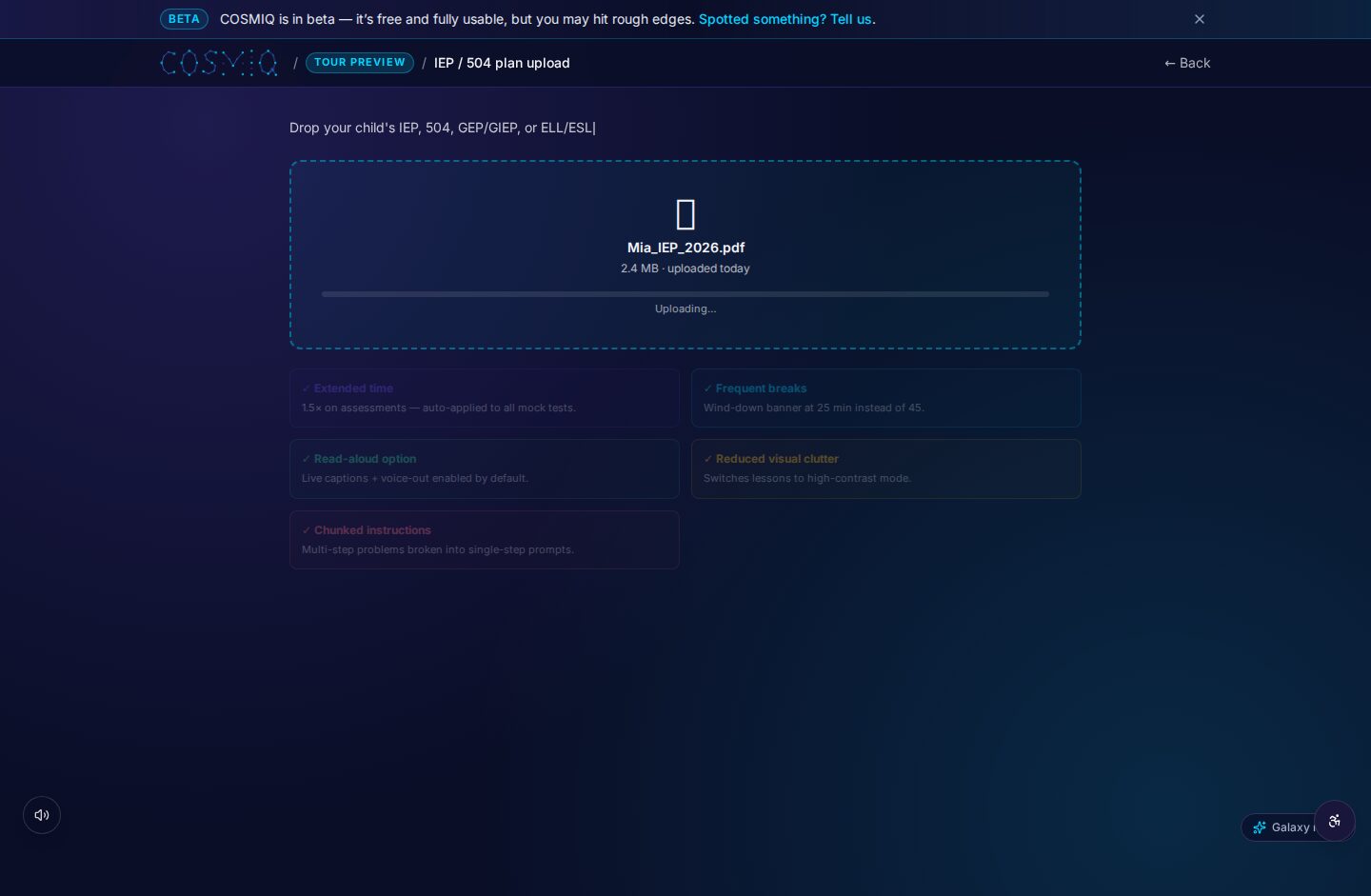
AI tools, like those offered by platforms such as COSMIQ, can be incredibly valuable as supplementary resources, providing personalized tutoring, instant feedback, and access to vast amounts of information. They can free up human teachers to focus on the higher-level aspects of teaching – fostering critical thinking, building relationships, and providing emotional support.
As we look to the future, the goal should be to find a harmonious balance where AI enhances human education, supporting teachers and empowering students, without replacing the invaluable human connection that defines truly great learning experiences.
Learn anything, free.
COSMIQ is a free, voice-driven AI tutor for every learner. No credit card, ever.
Start learning free →