When School Choices Fall Short: Understanding Support for Pupils with Special Needs

News headlines sometimes highlight what appear to be unusual or costly decisions made by local councils regarding pupil education. One such recent report mentions a council paying a significant sum for a small group of pupils to attend a school that has received a less-than-favorable inspection report. While such figures can be startling, understanding the full context behind these decisions, particularly for pupils with special educational needs (SEN), is crucial.
It’s easy to jump to conclusions, but the reality of educational provision for children with complex needs is often far more nuanced than a headline suggests. This article aims to shed light on why these situations occur and the frameworks designed to ensure every child receives an appropriate education.
The Mandate for Appropriate Education
In the UK, local authorities have a legal duty to ensure that all children, especially those with special educational needs and disabilities (SEND), receive an education that meets their specific requirements. This duty is enshrined in the Children and Families Act 2014 and the SEND Code of Practice: 0-25 years. For pupils with significant needs, this often means an Education, Health and Care (EHC) plan is put in place.
An EHC plan is a legally binding document that outlines a child's special educational needs and the provision required to meet those needs. Crucially, parents have a right to express a preference for a particular school, and the local authority must name that school in the EHC plan unless it is unsuitable for the child's age, ability, aptitude or SEN, or if the child's attendance there would be incompatible with the efficient use of resources or the efficient education of other children.

Why Out-of-Borough or Private Placements?
When local mainstream schools or even specialist provisions within the borough cannot adequately meet a child's complex needs, local authorities must look further afield. This can lead to placements in independent specialist schools, which are often out-of-borough and can come with higher fees. Several factors contribute to these decisions:
- Highly Specialised Needs: Some pupils have very specific and profound needs (e.g., severe autism with challenging behaviours, complex medical conditions, or multiple learning disabilities) that require a unique environment, highly trained staff, or specific therapeutic interventions that are not available in local state-funded schools.
- Lack of Local Provision: Despite efforts to expand local SEN provision, there is sometimes a shortage of suitable places in a particular area for certain types of needs. Building new specialist schools or units takes time and significant investment.
- Parental Preference and Appeals: Parents have the right to appeal decisions made by the local authority regarding their child's EHC plan, including the named school. If a tribunal finds that a particular independent school is the only provision that can meet the child's needs, the local authority is legally obliged to fund that placement, even if it is costly.
- Suitability, Not Just Ofsted Rating: While Ofsted ratings are important, they are not the sole determinant of a school's suitability for a child with complex SEN. A school rated 'Requires Improvement' overall might have an outstanding specialist unit or particular expertise that is precisely what a child needs, or it might be the only school that can accommodate a child's specific combination of needs at a given time. The focus is on whether the provision meets the individual child's needs as outlined in their EHC plan.
- Preventing Further Crisis: In some cases, a child's needs may be escalating to a point where they are at risk of exclusion or significant harm to themselves or others. A specialist placement, even if expensive, can be a necessary intervention to stabilise the child's situation and enable them to learn effectively.
The Financial Implications and Oversight
The costs associated with specialist placements can be substantial, often running into tens of thousands of pounds per pupil per year, sometimes even more. This places considerable pressure on local authority budgets, which are already stretched. Councils are accountable for how they spend public money and must balance their legal duties with financial prudence.
However, the legal duty to provide for a child's SEN is paramount. Decisions are typically made after a thorough assessment process, often involving educational psychologists, therapists, and other specialists, and are reviewed regularly through annual EHC plan reviews.
Supporting Every Learner with COSMIQ
At COSMIQ, we believe in supporting every learner on their unique educational journey. While we understand the complexities of specialist placements, our platform offers a flexible and accessible resource that can complement any educational setting.
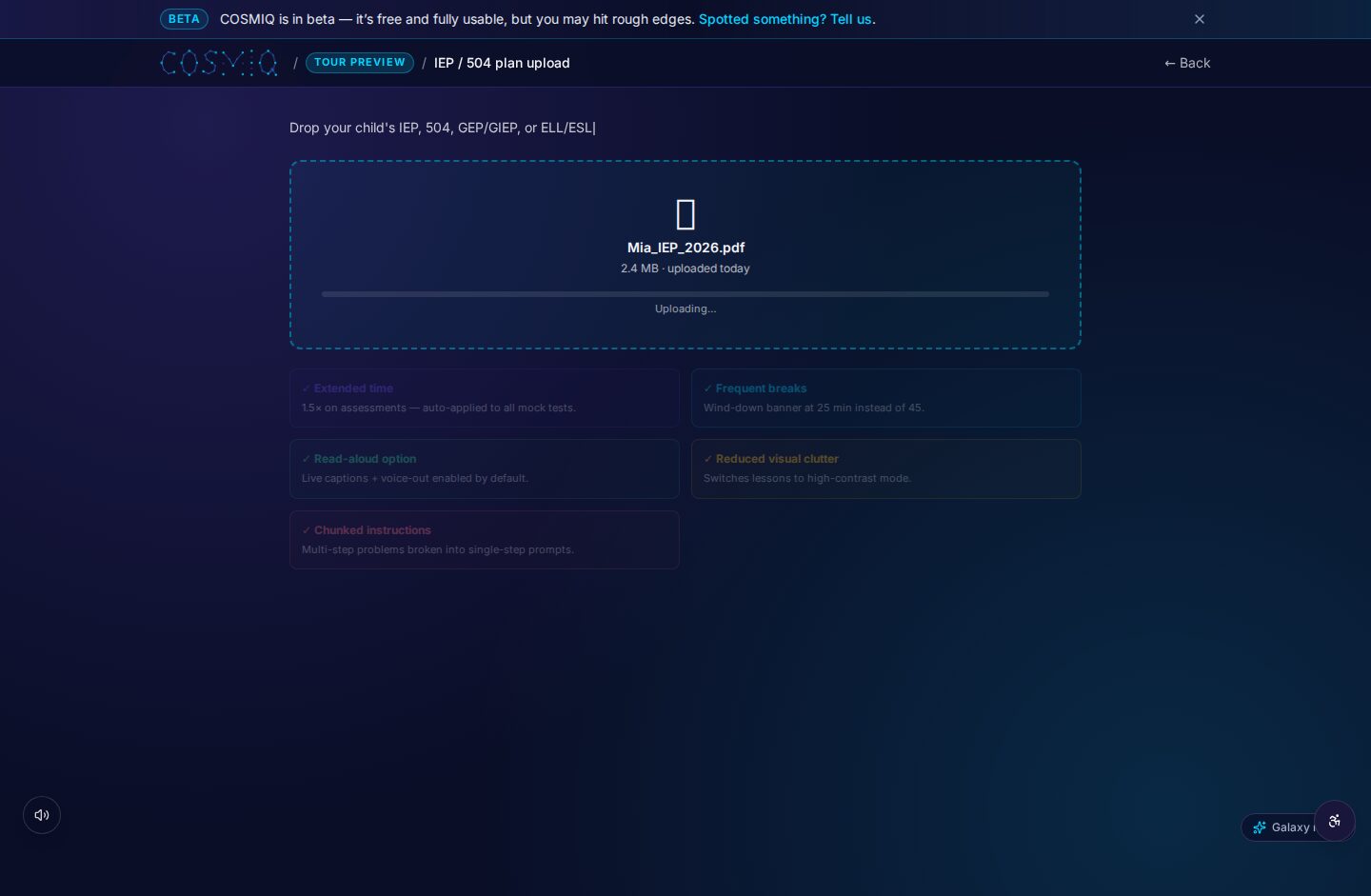
- Personalised Learning: Our AI-driven tutoring adapts to individual learning styles and paces, providing tailored support that can be invaluable for pupils with diverse needs.
- Accessible Anytime, Anywhere: Whether a student is in a mainstream school, a specialist provision, or learning at home, COSMIQ can provide consistent, on-demand academic assistance.
- Reinforcing Core Concepts: For pupils who may struggle with certain subjects, COSMIQ offers a safe space to revisit topics, ask questions without fear of judgment, and build confidence.
Conclusion
While headlines about high-cost placements can be concerning, they often reflect the complex reality of ensuring every child, particularly those with significant special educational needs, receives the education they are legally entitled to. Local authorities navigate a challenging landscape of legal obligations, limited resources, and the diverse needs of their pupil population. The ultimate goal is always to provide an education that enables each child to achieve their potential, regardless of the cost or the journey to get there.
Understanding these complexities helps us appreciate the dedicated efforts of councils, schools, and families striving to create the best possible educational outcomes for all children.
Learn anything, free.
COSMIQ is a free, voice-driven AI tutor for every learner. No credit card, ever.
Start learning free →