When You Need a Tutor Who Slows Down: Dr. Lynch's Approach

Understanding the Need for a Patient Approach
Education isn't a one-size-fits-all experience. If you’ve ever struggled with math or science, you know it can feel overwhelming. The pressure to keep up with the class can be relentless, and for some, it can create a wall that feels impossible to scale. That's where the value of a patient AI tutor for math and science becomes apparent. It's not just about getting the right answers; it’s about fostering a genuine understanding of the material.
When you’re lost in complex equations or scientific concepts, the last thing you need is a tutor who rushes through explanations. You want someone who takes the time to ensure you grasp the fundamentals, allowing you to build confidence and competence. Dr. Lynch embodies this philosophy, prioritizing a slow, methodical approach that resonates with students who need that extra bit of time to process information.
Consider how traditional learning environments often prioritize speed over comprehension. Students are thrust into a whirlwind of information, and those who need more time can easily fall behind. Dr. Lynch's approach counters this trend. By valuing patience, he cultivates an environment where students can take ownership of their learning. They don’t just memorize formulas; they understand their applications in real-world scenarios. This depth of understanding is crucial for subjects like calculus, physics, or chemistry where foundational concepts often build on one another.
Dr. Lynch has witnessed firsthand the struggles that many students face, particularly those who might have learning differences or anxiety around math and science. Each student's experience is unique, and recognizing that is the first step in addressing their needs. The slow and patient approach not only accommodates students who require more time but also supports those who may feel outpaced in a standard classroom setting. Instead of feeling like they are racing against the clock, students can engage at a rhythm that feels right for them.
The Benefits of a Slower Learning Pace
Have you ever felt like you were drowning in information during a lesson? When a tutor moves quickly, it can lead to confusion and frustration. A slower pace allows for reflection, questions, and a deeper exploration of concepts. Dr. Lynch understands this need. His method emphasizes clarity over speed, ensuring that students don’t just memorize facts but truly understand the underlying principles.
Let’s take an example: consider solving quadratic equations. A fast-paced tutor might jump from one step to the next, leaving students confused about how the formula was derived. In contrast, Dr. Lynch would break it down step-by-step. He would explain why each part of the formula is essential, encourage questions at each stage, and even use real-world examples to illustrate how these equations apply outside of academic settings. For instance, he might explain how quadratic equations are used in architecture to determine the shape of arches or in physics to describe projectile motion.
Dr. Lynch doesn’t just stop at the quadratic formula. He explores its historical context, explaining how mathematicians developed these equations over centuries. By understanding the 'why,' students can appreciate the relevance of what they’re learning. This depth of knowledge helps cultivate a lasting curiosity and readiness to tackle even more complex subjects. A student who grasps the historical significance of quadratic equations is more likely to engage with advanced topics like polynomial functions and conic sections.
Moreover, the psychological benefits of a slower learning pace should not be underestimated. Research shows that when students are allowed to learn at a comfortable speed, their retention and comprehension improve significantly. They’re not just rushing through problems; they’re actually absorbing the material. This can lead to a more profound understanding of math and science concepts, equipping students with the tools they need to tackle tougher challenges in the future.
Creating a Comfortable Learning Environment
The environment in which you learn can significantly affect how well you grasp complex subjects. Dr. Lynch’s approach creates a comfortable space where students feel safe to express confusion or ask for clarification. This isn’t just about slowing down; it’s about fostering trust. When students know they won’t be rushed, they’re more likely to engage actively with the material.
Imagine sitting in a quiet room with Dr. Lynch, where the focus is entirely on you. If you don’t understand a concept, you can pause, reflect, and ask as many questions as needed without feeling like you’re holding up the progress. This comfort and trust can transform how a student interacts with challenging subjects, ultimately leading to better outcomes. Dr. Lynch’s tutoring space isn’t merely a room with desks; it’s a sanctuary for learning where mistakes are seen as stepping stones rather than failures.
Creating such an environment extends beyond just physical space. Dr. Lynch actively cultivates an atmosphere of encouragement. He celebrates small victories, which can be a game-changer for students who often feel defeated by their struggles. This positive reinforcement not only helps in building confidence but also fosters a love for learning that students carry with them beyond the tutoring sessions. When students feel their efforts are recognized, they become more motivated to tackle difficult tasks, knowing they have a supportive tutor by their side.

Dr. Lynch also encourages open communication. By inviting students to express their feelings about the learning process, he gains valuable insights into their struggles and triumphs. This dialogue allows for adjustments in teaching methods and ensures that the learning experience is tailored to meet each student's needs. For example, a quick check-in at the start of a session can guide the day's focus, whether it’s revisiting a particularly challenging topic or advancing to new material when the student feels ready.
Tailoring the Learning Experience
Every learner is unique, and Dr. Lynch recognizes that a tailored approach can make all the difference. Some students grasp concepts quickly but struggle with application; others need more time to absorb the basics before moving on. A patient AI tutor for math and science can adapt the curriculum to fit the learner's needs, adjusting the pace according to their comfort level.
For instance, if a student shows proficiency in basic algebra but struggles with applying it to word problems, Dr. Lynch would focus on that specific area. He might use relatable examples, breaking the problem down into smaller parts and guiding the student through each one slowly. This individualized attention reinforces understanding and builds confidence. Dr. Lynch often uses storytelling to contextualize problems, making them feel less abstract and more relatable.
Dr. Lynch also employs various diagnostic tools to assess a student’s strengths and weaknesses. This helps him create a personalized learning plan that fits the student’s needs. If a student is excelling in geometry but struggles with fractions, Dr. Lynch can design sessions that focus on fractions while still integrating geometry concepts where applicable. This kind of integrated learning helps students see the connections between different areas of mathematics, reinforcing their overall understanding.
In addition, he regularly reassesses these personalized plans. As a student progresses, their needs may change. Dr. Lynch is attentive to these shifts, engaging in reflective discussions with his students to ensure the learning plan remains aligned with their evolving goals. This adaptability not only maximizes learning outcomes but also encourages students to take an active role in their education.
Incorporating Technology Effectively
Technology plays a crucial role in modern education, and Dr. Lynch effectively integrates it into his teaching methods. He utilizes various tools that allow students to visualize problems and interact with the material in ways traditional methods cannot. This doesn’t mean using technology just for the sake of it; it’s about enhancing the learning experience.
For example, using interactive math software can allow students to see the effects of changing variables in real time. Dr. Lynch encourages students to explore these tools at their own pace, which helps solidify their understanding of concepts without the pressure of a traditional classroom setting. A patient AI tutor for math and science can also provide instant feedback, allowing students to learn from their mistakes immediately. This immediate feedback loop is particularly beneficial in subjects like math, where misunderstandings can compound if not addressed promptly.
Beyond software, online simulations can bring science concepts to life. Imagine studying chemistry and using a simulation to mix elements and see reactions unfold in real time—this kind of engagement fosters an intuitive understanding that textbooks often fail to convey. Dr. Lynch emphasizes that technology should serve to deepen understanding, not distract from it. He often provides students with resources to explore at home, empowering them to take charge of their own learning.
Furthermore, Dr. Lynch is keen on teaching his students how to leverage online platforms for collaborative learning. By connecting with peers or joining online forums, students can gain different perspectives on the subjects they are studying. This exposure not only broadens their understanding but also nurtures a sense of community among learners. Such interactions can be invaluable, especially for students who may feel isolated in their studies.
Real-Life Success Stories
Let’s talk about some success stories. Many students who have worked with Dr. Lynch have reported significant improvement in their understanding and performance. Take Sarah, for instance. She struggled with chemistry concepts that seemed insurmountable. After just a few sessions with Dr. Lynch, who took the time to slow down and explain key ideas, Sarah began to see improvements.
Dr. Lynch didn’t just rush her through the syllabus; he helped her understand each concept thoroughly. They spent time on atomic structure, bonding, and reactions, ensuring she grasped not only the 'how' but also the 'why.' By the end of their sessions, Sarah was not just passing her exams—she was genuinely interested in chemistry and even considering pursuing it further in her studies. Her newfound enthusiasm was a testament to the power of patient, thorough teaching.
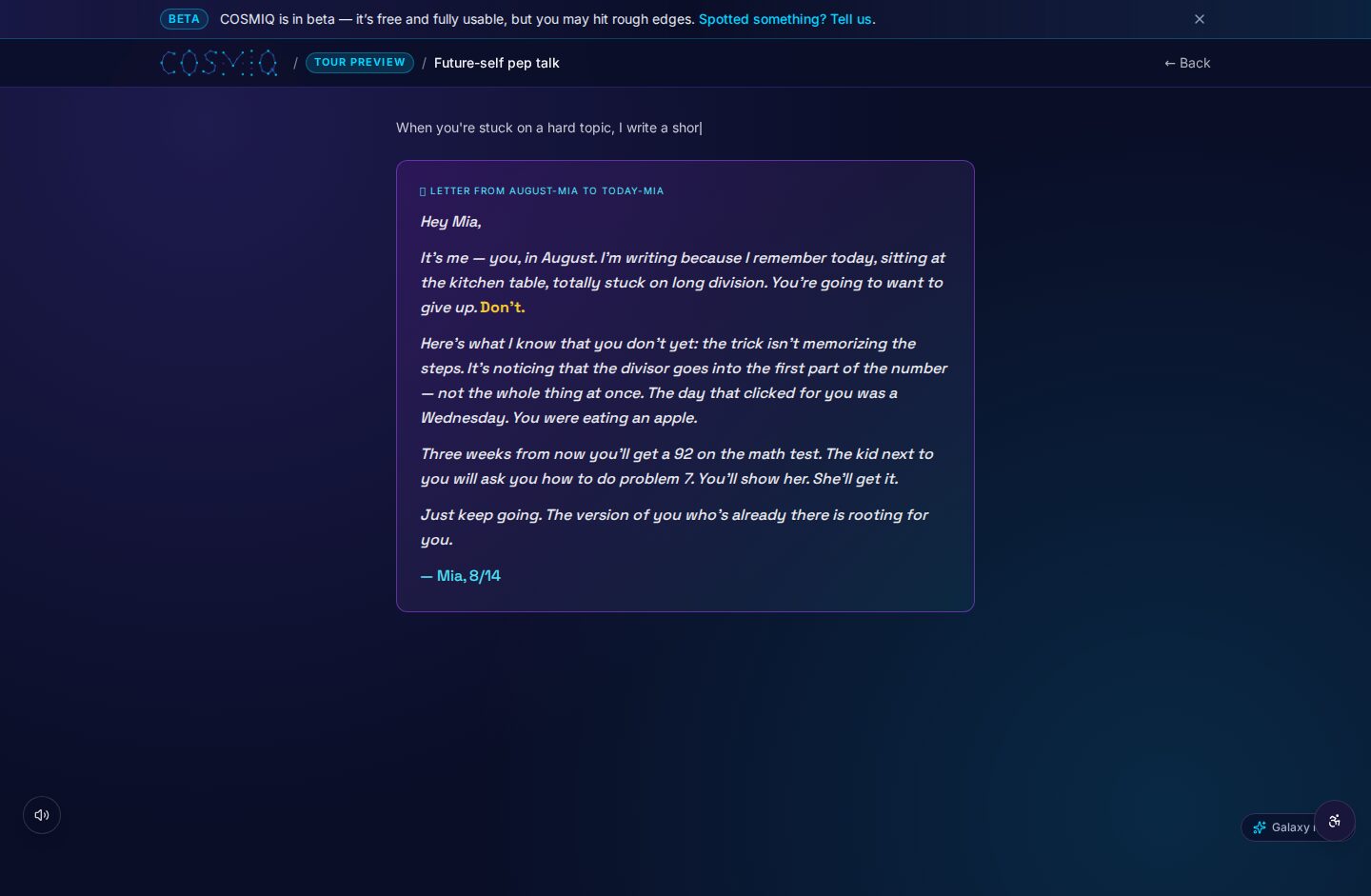
Another student, Jake, faced difficulties with calculus. He felt overwhelmed by derivatives and integrals, often feeling lost in class. Through Dr. Lynch’s patient guidance, they started from the ground up. Instead of diving straight into complex problems, Dr. Lynch ensured that Jake understood limits, continuity, and functions. Gradually, they worked their way up. By breaking down each concept, Jake transformed his fear into confidence, ultimately earning a top grade in his calculus course.
These success stories are not isolated. Many of Dr. Lynch's students have gone on to excel in their respective academic paths because they built a strong foundation in their earlier studies. For example, Maria, who once dreaded her physics class, now revels in solving challenging problems and even assists her classmates. Dr. Lynch’s method of slowing down and ensuring each student fully grasps the material before moving on has proven effective time and again.
The Role of Emotional Support in Learning
Learning isn’t just a cognitive process; it’s emotional, too. Dr. Lynch understands that students often carry anxiety, especially regarding subjects like math and science. This emotional component can hinder even the brightest minds. By acknowledging feelings of frustration and fear, he provides more than just academic support; he offers emotional reassurance.
Dr. Lynch often shares stories from his own experiences as a student. He talks about moments when he felt overwhelmed and how he navigated those feelings. This relatability creates a bond with his students, making them feel understood and less isolated in their struggles. His empathetic approach fosters resilience and a growth mindset. He encourages students to view challenges as opportunities for growth rather than insurmountable obstacles.
In addition, Dr. Lynch teaches mindfulness techniques that allow students to manage their anxiety. Simple exercises like focused breathing or positive affirmations can help students center themselves before diving into challenging material. This emotional toolkit empowers students to face their fears head-on, enhancing their ability to learn. He often incorporates these techniques into tutoring sessions, creating a holistic approach to education that addresses both the mind and the heart.
Moreover, building a supportive relationship can significantly improve a student's motivation. When students feel cared for and understood, they are more likely to engage in the learning process. This emotional safety net is crucial in fostering a lifelong love of learning, as students who feel supported are more likely to take risks and explore new concepts without the fear of failing.
Final Thoughts on Learning at Your Own Pace
Learning is a journey, and it's not the same for everyone. The speed at which you learn can significantly impact your educational experience and your confidence. Dr. Lynch's approach shows that slowing down can lead to deeper understanding and greater success. His dedication to ensuring that every student feels comfortable and confident in their abilities is something that everyone can appreciate.
If you find yourself struggling with math or science, remember that you don’t have to rush through it. Seek out a tutor who understands the value of patience. A patient AI tutor for math and science can be just what you need to transform your learning experience. Embrace the pace that allows you to thrive, and you'll find that understanding will come more naturally.
Ultimately, education should be about growth, and Dr. Lynch's philosophy embodies that spirit. By focusing on understanding, trust, and emotional well-being, he paves the way for his students to not only succeed academically but also to develop a lifelong love for learning. So, whether you’re a struggling high school student or a college learner seeking to bolster your understanding, remember that the path to knowledge doesn’t have to be a sprint; it can also be a thoughtful and enriching journey.
As you reflect on your own learning experiences, consider what strategies might work best for you. The key is not just to work harder, but to work smarter—understanding your own pace and needs can be the difference between frustration and academic achievement.
Learn anything, free.
COSMIQ is a free, voice-driven AI tutor for every learner. No credit card, ever.
Start learning free →