Why Hands-On Learning Still Soars in the Age of AI, According to Space Camp

In an educational landscape increasingly shaped by artificial intelligence, a vital conversation is unfolding about how best to equip students for the future. While AI tools offer exciting new possibilities for lesson planning, personalized tutoring, and assignments, educators and parents are also considering the balance between digital learning and the foundational skills that prepare students for real-world challenges. Amidst this evolving dialogue, organizations like Space Camp are championing the irreplaceable value of hands-on, immersive experiences.
According to Space Camp's Vice President, Robin Soprano, the focus is shifting towards designing learning environments that compel students to apply knowledge, navigate uncertainty, and collaborate effectively. This emphasis complements, rather than competes with, an understanding of the latest AI technologies, ensuring students develop a comprehensive skill set for success.
Space Camp's Legacy of Immersive STEM Education
Space Camp, a program of the U.S. Space & Rocket Center, has long been celebrated for its unique approach to STEM education. The organization says it has continuously adapted its educational methods, evolving from earlier lecture-based formats to the dynamic, hands-on experiences it offers today. Robin Soprano, who oversees Space Camp operations and coordinates various teams to ensure a meaningful camper experience, highlights how this evolution prioritizes active engagement over passive reception of information.
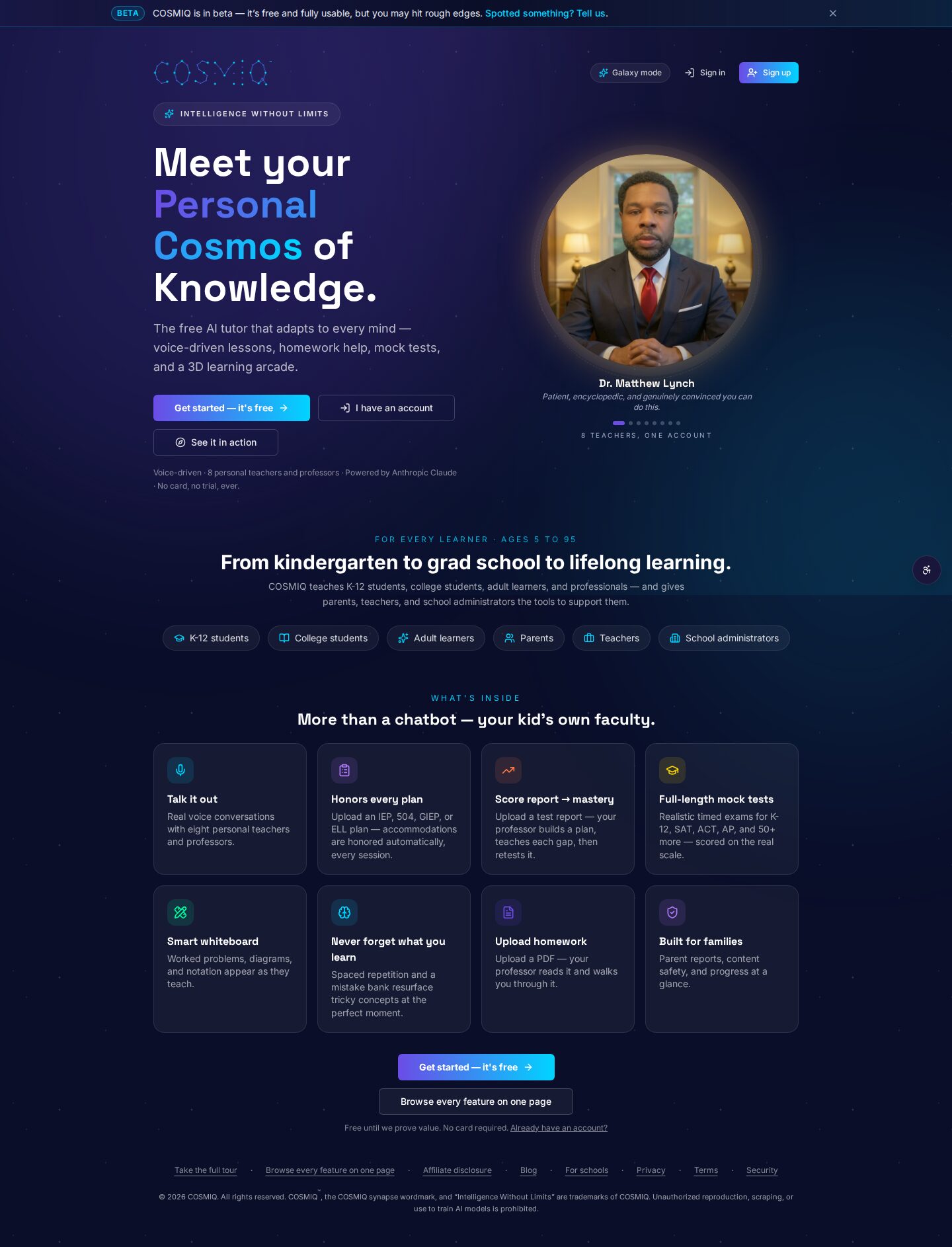
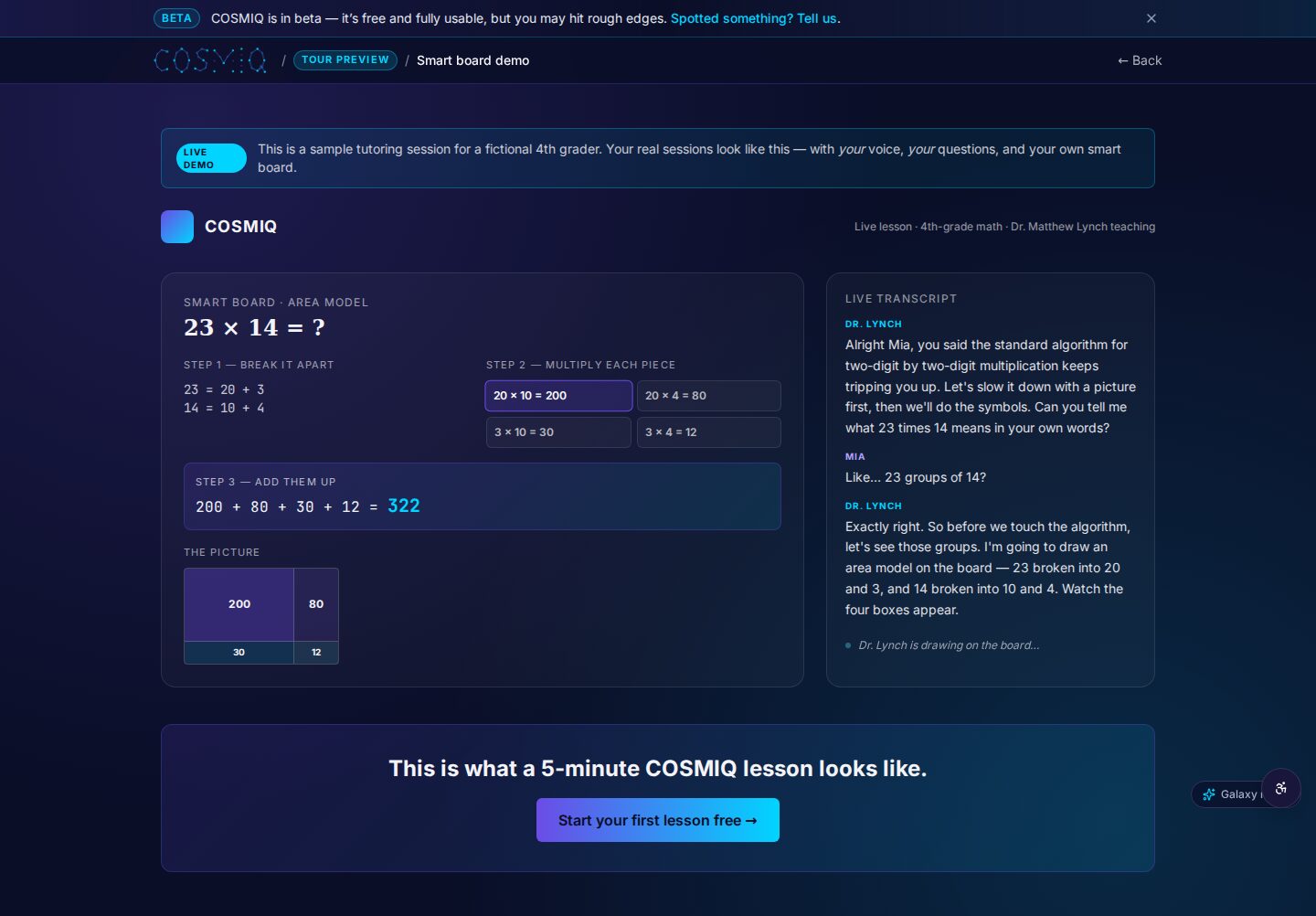
This philosophy resonates strongly as AI becomes more prevalent in schools. While AI can provide instant answers and personalized explanations, the ability to grapple with complex problems, work in teams, and adapt to unexpected situations remains crucial. For students seeking additional support in their studies, platforms like COSMIQ offer free voice-driven AI tutoring, providing personalized assistance for K-12 learners across a wide range of subjects, ensuring they grasp core concepts before tackling more advanced, hands-on challenges.
Reducing Screen Time Without Compromising Quality
One common concern with increased technology integration in education is the potential for excessive screen time. Space Camp, according to Soprano, has actively addressed this by designing experiences that minimize reliance on screens while maximizing the quality of learning. This approach ensures that campers engage directly with physical models, simulations, and team-based activities, fostering deeper understanding and skill development.
For instance, the organization emphasizes immersive mission simulations that encourage students to navigate ambiguity, make critical decisions, and adapt when initial plans change. These scenarios mirror real-world engineering and scientific challenges, where problem-solving often requires creative thinking and collaboration beyond what a screen alone can offer.
Beyond Technical Skills: Confidence and Collaboration
The benefits of Space Camp's approach extend far beyond technical STEM knowledge. Soprano notes that many students leave the camp with enhanced confidence and improved team-building skills. These are invaluable attributes in any field, particularly in collaborative environments common in modern STEM careers. The experience of working together to solve simulated space and aviation missions helps students develop communication skills, leadership qualities, and the ability to contribute effectively within a group.
Robin Soprano's prior role as Director of Mission Support saw her facilitating skills training and simulated missions, where she led the development of new lunar and Mars missions, including a new Orion capsule and a Mars Habitat. This hands-on development and implementation directly translate into the rich, immersive experiences campers receive. In 2019, she also led the effort that set a Guinness World Record for the most model rocket kits launched simultaneously, demonstrating a commitment to large-scale, engaging activities.
Preparing for the Future Workforce
Space Camp also plays a role in preparing students for a diverse range of careers, extending well beyond the dream of becoming an astronaut. The organization highlights how its programs contribute to a broader workforce pipeline, equipping students with transferable skills applicable to various industries. The emphasis on problem-solving, critical thinking, and adaptability—skills honed through navigating complex simulations—is highly valued in today's rapidly evolving job market.
Whether a student is aspiring to be an engineer, a scientist, a programmer, or any other professional in a STEM-related field, the ability to think creatively, work under pressure, and collaborate effectively is paramount. Space Camp's model demonstrates that while AI can be a powerful tool for learning and efficiency, the human element of ingenuity, resilience, and teamwork remains indispensable. For students preparing for significant academic milestones, COSMIQ's exam prep directory offers free resources for hundreds of tests, helping learners build a strong knowledge base that complements their hands-on experiences.
Conclusion
As AI continues to transform educational practices, the insights from leaders like Robin Soprano at Space Camp serve as a valuable reminder: the future of learning is not just about adopting new technologies, but about thoughtfully integrating them with proven methods that foster essential human skills. Hands-on, immersive experiences remain crucial for developing critical thinking, problem-solving abilities, confidence, and collaborative spirit—qualities that will empower students to thrive in an AI-driven world and beyond.
Learn anything, free.
COSMIQ is a free, voice-driven AI tutor for every learner. No credit card, ever.
Start learning free →