Unlocking America's Hidden Workforce: The Power of Adult Learners
As industries across the United States grapple with significant workforce shortages, particularly in healthcare and the skilled trades, a critical question emerges: where will the next generation of skilled workers come from? Victoria Pu, co-founder of Pace AI, suggests that the answer lies not in searching for new talent, but in unlocking the potential of a demographic already present and eager to learn: the adult learner.
According to Pu, millions of adults are actively working, raising families, pursuing credentials, and striving to build better lives. Yet, they often remain one of the most underserved populations in education and workforce development. This perspective highlights a fundamental challenge and a significant opportunity for the nation's economic future.
The Untapped Potential of Adult Learners
The statistics underscore the scale of this overlooked workforce. Pace AI points out that more than 43 million Americans have attended college without earning a degree. Furthermore, approximately 26 million adults aged 25 and older lack a high school diploma or an equivalent credential. These figures represent a vast pool of individuals who, with the right support and pathways, could fill critical employment gaps.
The demand for skilled workers is pressing. For instance, the skilled trades alone are projected to need 1.7 million new workers annually through 2035. Pu argues that America doesn't suffer from a shortage of people willing to work and advance; rather, it faces a shortage of accessible pathways designed specifically for adult learners.
Redesigning Education for Adult Lives
Traditional education and training systems are often structured around the lives of younger, full-time students. They typically assume learners can commit to fixed class schedules, travel to specific locations, navigate complex enrollment procedures, and invest months in a program before seeing a clear connection to career advancement. For adults balancing work, family responsibilities, financial constraints, and sometimes language barriers, these traditional models can create insurmountable hurdles.

Pu emphasizes that workforce and education systems need to be reimagined to fit adult lives, not the other way around. What adult learners truly need to advance includes flexible learning options, clearly defined career pathways, foundational education, and robust language support, along with stronger, more direct connections between training and actual job opportunities.
The Role of Technology and AI in Adult Education
This is where technology, particularly artificial intelligence, can play a transformative role. According to Pu, AI can make adult education more personalized and accessible. It can provide learners with support precisely when they have time to learn, rather than forcing them into rigid schedules that conflict with their existing commitments.
This flexibility is crucial for adults who might only have small windows of time available for study, perhaps during a lunch break, late at night, or early in the morning. AI-powered tools can adapt to individual learning paces and styles, offering targeted assistance and resources that cater to diverse needs, including foundational skills and language acquisition.
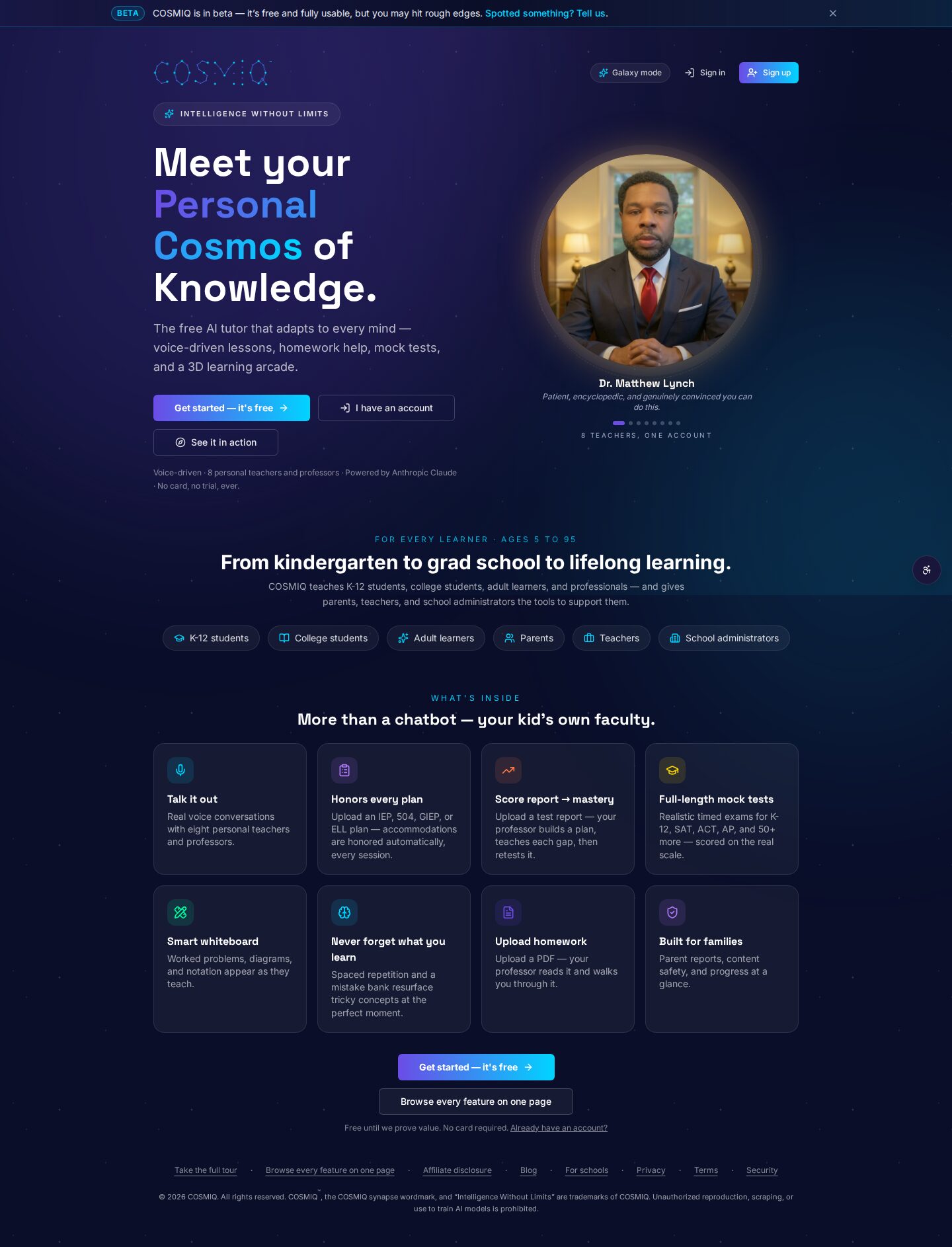
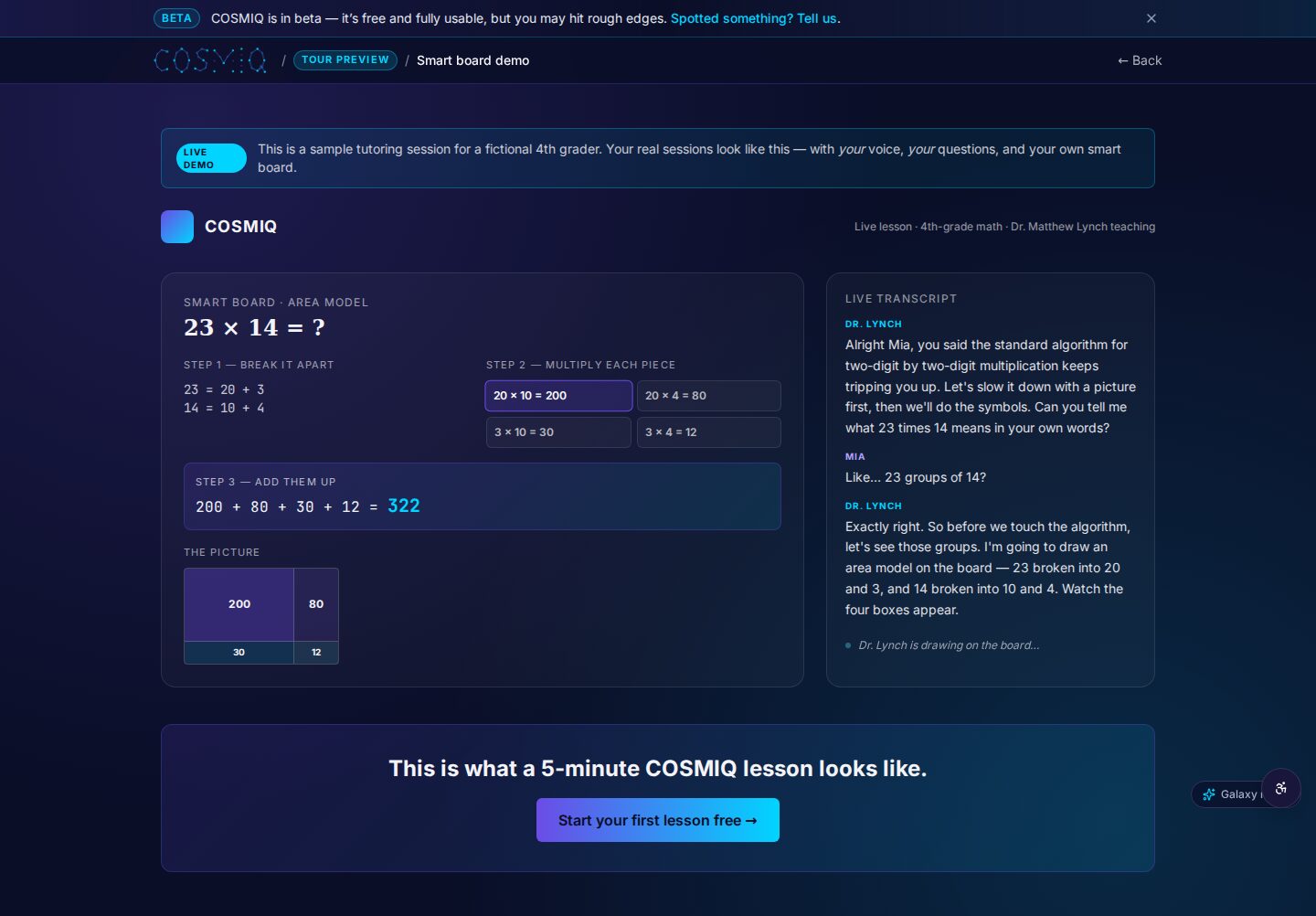
For students of all ages, including adult learners looking to brush up on core subjects or prepare for new certifications, COSMIQ offers free voice-driven AI tutoring. This kind of accessible, on-demand support can be invaluable for individuals navigating complex learning journeys while balancing life's demands. Additionally, resources like the exam prep directory can help adult learners find support for certifications or equivalency tests crucial for career advancement.
Why Employers Should Invest in Adult Learning
Employers stand to gain significantly by paying more attention to adult learning. By investing in accessible pathways, businesses can tap into a motivated talent pool ready to acquire the skills and credentials needed for critical roles. A JFF survey of low- and moderate-income adults without college degrees revealed a strong desire for advancement: 77% believed learning new skills was the best way to improve their career opportunities, and 87% were willing to make financial tradeoffs for career training. Furthermore, 58% found on-the-job learning most effective for getting a better job or earning more.
This demonstrates a clear appetite among adults to learn and grow. By collaborating with educational institutions and leveraging technology, employers can help create tailored training programs that not only address immediate skill gaps but also foster a culture of lifelong learning within their organizations.
Looking Ahead: A Pathway to a Stronger Workforce
The insights from Pace AI underscore a vital truth: America's future workforce is not just about the next generation entering the job market, but also about empowering the millions of adults already contributing to society. By recognizing their unique needs and building flexible, supportive educational pathways, the nation can unlock an immense reservoir of talent. This shift in perspective is not just about filling jobs; it's about fostering economic mobility, strengthening communities, and ensuring a more robust and resilient workforce for the years to come.
Learn anything, free.
COSMIQ is a free, voice-driven AI tutor for every learner. No credit card, ever.
Start learning free →