Bridging the AI Divide: Ensuring Fair Access to Compute for All Innovators

The rapid advancement of artificial intelligence is transforming industries and daily life, promising a future brimming with possibilities. However, a recent development in the UK AI policy landscape has brought into focus a critical issue: ensuring equitable access to the powerful computing resources that fuel AI innovation. The appointment of Matt Clifford, who chairs the UK's Advanced Research and Invention Agency (ARIA), to the board of AI firm Anthropic, has ignited conversations about potential lobbying and the broader implications for a level playing field in the AI sector.
While such appointments are not uncommon across various industries, the unique and rapidly evolving nature of AI raises specific concerns, particularly regarding the availability of vital compute infrastructure. For students, educators, and parents, understanding these dynamics is crucial, as the future of AI directly impacts learning tools, career paths, and the very fabric of our digital world. An inclusive AI ecosystem means more diverse applications and benefits for everyone.
The Challenge of Unequal Access to Compute
At the heart of AI development lies compute infrastructure—the powerful processing capabilities needed to train complex AI models. These resources are often expensive and limited, creating a potential barrier for smaller startups, independent researchers, and educational institutions. David Sherman, AI and Financial Inclusion Strategist at io.net, commented on the situation, stating that the interplay between large AI companies and government bodies can create "structural advantages that go far beyond better technology." According to Sherman, this can lead to a scenario where "startups, researchers and AI builders can't access the compute they need at an affordable price."
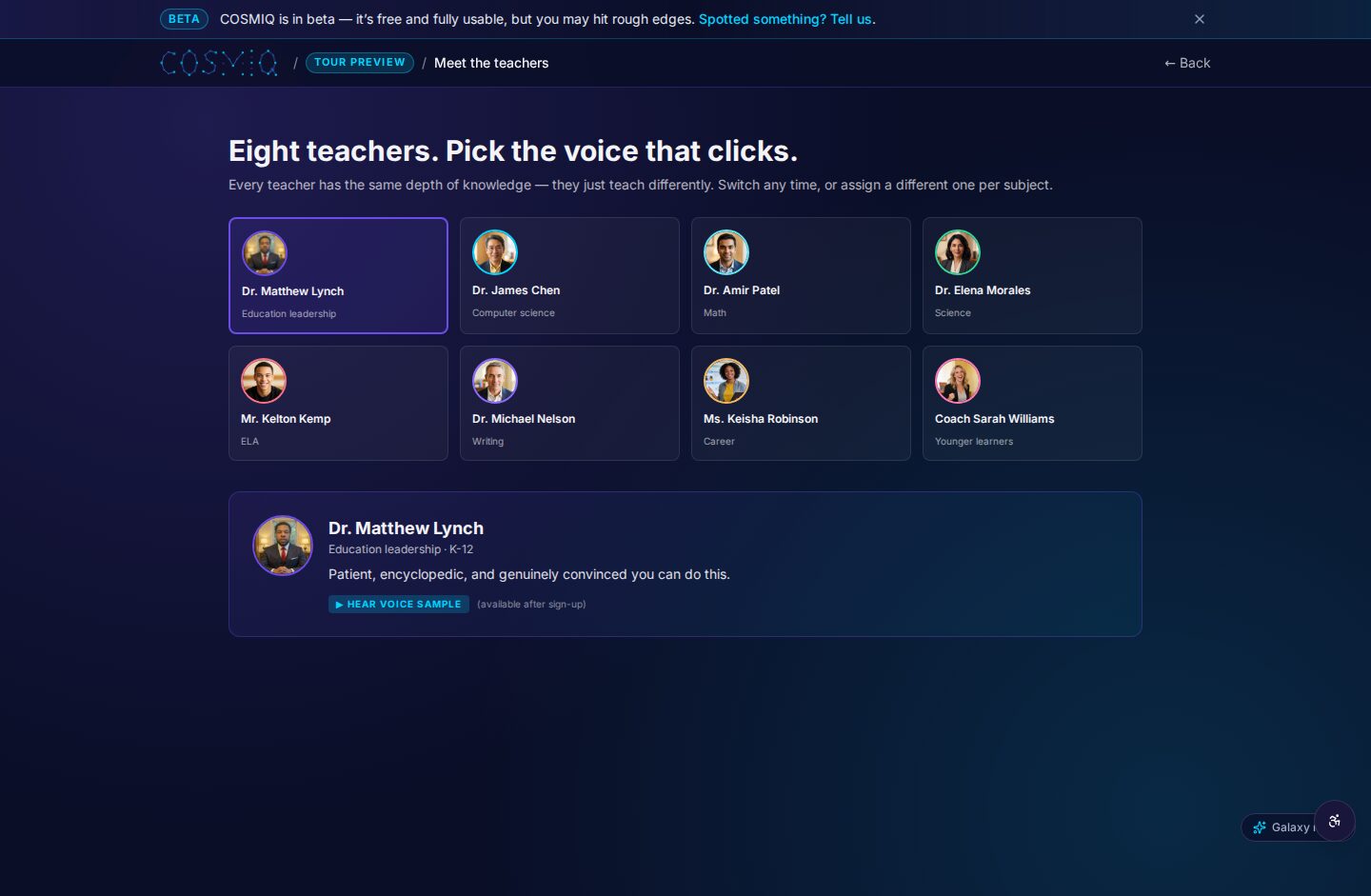
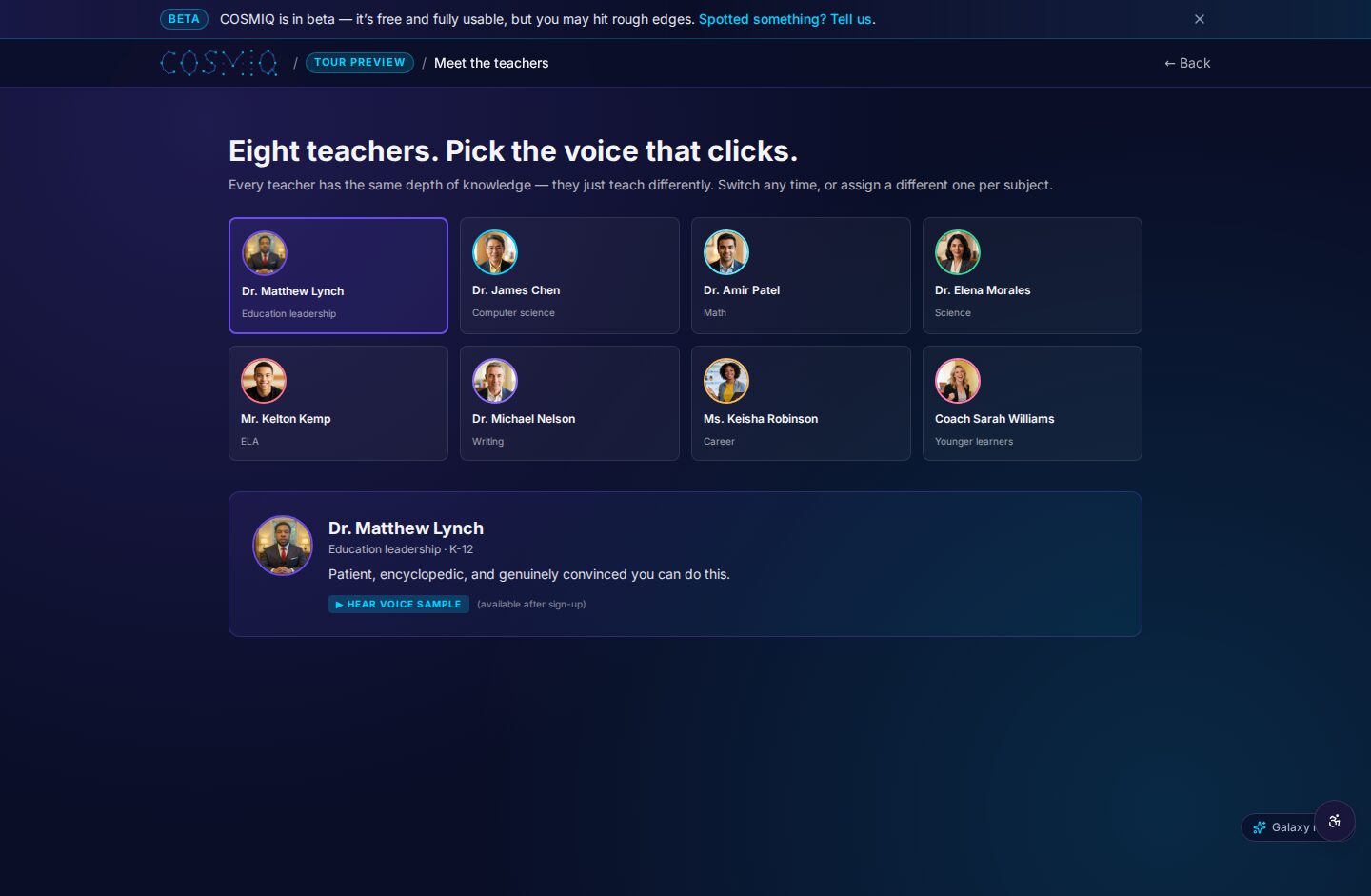
This challenge is particularly relevant for the education sector. As AI tools become more integrated into learning—from personalized tutors to advanced research platforms—ensuring that these technologies are developed with diverse perspectives and accessible resources is paramount. If only a select few have the means to innovate, the potential for a wide array of beneficial educational AI applications could be curtailed. For instance, platforms like COSMIQ, a free voice-driven AI tutor, rely on robust compute infrastructure to deliver personalized learning experiences to K-12 students, demonstrating the importance of widespread access to these foundational technologies.
io.net's Solution: Decentralized GPU Access
In response to this growing "GPU Access Gap," organizations like io.net are working to democratize access to essential compute resources. According to io.net, their platform coordinates capacity from a decentralized community network and infrastructure partners, aiming to make powerful GPUs more accessible and affordable. This approach seeks to level the playing field, allowing a broader range of innovators to develop and deploy AI solutions without being hampered by the prohibitive costs or scarcity of compute power.
By leveraging a distributed network, io.net aims to provide a more flexible and cost-effective alternative to traditional, centralized compute providers. This model could significantly benefit academic researchers and educational technology developers who often operate with more limited budgets but possess innovative ideas that could profoundly impact learning. Imagine a student group developing a new AI-powered learning game or a teacher creating a specialized AI assistant for their classroom—io.net's model could provide the necessary backbone for such projects to come to fruition.
Why Fair Access Matters for Education
The implications of unequal access to AI compute extend directly into the classroom and beyond. If AI development is concentrated in the hands of a few large entities, there's a risk that the resulting tools and applications may not adequately address the diverse needs of all learners. A more inclusive AI ecosystem, fueled by widespread access to compute, can lead to:
- Diverse Educational Tools: More developers mean a wider variety of AI applications tailored to different learning styles, subjects, and educational challenges.
- Reduced Costs for Schools: Competition and innovation in compute access can help lower the costs associated with integrating AI into school systems.
- Empowered Student Innovators: Students with access to affordable compute can gain hands-on experience in AI development, preparing them for future careers and fostering critical thinking skills.
- Ethical AI Development: A broader range of voices in AI development can help ensure that ethical considerations and biases are addressed more comprehensively, leading to fairer and more equitable AI systems for all.
Initiatives that promote equitable access to infrastructure are vital for fostering a generation of AI-literate citizens and innovators. They ensure that the benefits of AI are not confined to a privileged few but are instead distributed widely, enriching educational experiences and opening new doors for discovery and problem-solving.
Looking Ahead: Fostering an Inclusive AI Future
The discussions surrounding AI policy and compute access underscore the importance of transparency and fairness as the AI landscape continues to evolve. For parents, teachers, and students, staying informed about these developments is key. Understanding how AI is developed and regulated helps us advocate for policies that support widespread access and foster an environment where innovation can flourish equitably.
Organizations like io.net are demonstrating that there are viable pathways to address the compute access gap, ensuring that the power of AI can be harnessed by a broader community of creators and problem-solvers. By supporting these efforts and advocating for open, accessible AI infrastructure, we can help build a future where AI truly serves everyone, enhancing learning, driving progress, and unlocking new opportunities for generations to come.
Learn anything, free.
COSMIQ is a free, voice-driven AI tutor for every learner. No credit card, ever.
Start learning free →