After-School Hours: When Parents Check In Most, According to iSharing Study

For many families, the school day provides a predictable structure. Children are in class, under the supervision of teachers, and their whereabouts are generally known. However, as the final bell rings, a new dynamic unfolds. The hours immediately following school often involve a flurry of activity: commutes home, extracurriculars, time with friends, or simply navigating the journey back to the house. It's during this bustling window that parents appear to be most engaged in checking on their children, according to a new child safety report released by the family location-tracking app iSharing.
The study, which analyzed internal iSharing data, offers valuable insights into the moments when parents are most actively seeking updates on their children's locations. This information can help parents, educators, and even students themselves understand the patterns of parental concern and the importance of clear communication during these key transitional times.
The After-School Peak: 3-4 PM is Prime Check-In Time
The iSharing report reveals a clear peak in parental check-ins right as the school day concludes. Specifically, the 3 PM and 4 PM windows are identified as the most frequent times for parents to look for their children's location, each contributing 6.3% of daily check-ins. Together, these two hours represent a significant portion of daily parental activity on the app.
According to iSharing, children in primary school typically return home around 3 PM, aligning perfectly with this surge in parental engagement. The 5 PM hour follows closely, accounting for 6.1% of daily check-ins. Combined, the after-school hours of 3 PM, 4 PM, and 5 PM represent 18.7% of all location checks, underscoring their importance in the daily rhythm of family life.
A spokesperson from iSharing commented on these findings, stating, “Parents are often concerned that location-sharing apps are not as useful during the school day due to smartphone bans in class. Our data shows that the majority of parent check-ins occur right after school hours. When children get to school, parents know they’ll stay there until the classes are done. But after-school activities are much more varied: lunch, sports, hanging out with friends. This matters significantly more to parents than monitoring school hours.”

Beyond the Bell: Evening and Lunchtime Check-Ins
While after-school hours take the top spot, the iSharing study also highlighted other significant periods for parental check-ins:
- Evening Hours (6-7 PM): Following the after-school rush, evening hours remain a popular time for parents to check in. The 6 PM window accounts for 5.9% of daily checks, and 7 PM for 5.7%. These hours, often when children are engaged in extracurricular activities, spending time with friends, or heading home, collectively contribute to 16.9% of all activity when combined with 8 PM check-ins.
- Lunchtime (12-1 PM): Before the afternoon school bell, lunchtime also stands out as a key period. The 1 PM window accounts for 5.6% of daily check-ins, and 12 PM for 5.5%. These two hours combined represent more than one in ten of all location checks, according to iSharing. For many parents, this might be the first opportunity during their own workday to check in and ensure everything is alright.
Conversely, the study found that late night, particularly between 1 AM and 4 AM, is the least popular time for location checks. However, even these hours collectively account for 5% of app usage, which iSharing attributes partially to factors like time zone differences for traveling parents or children studying abroad.
Why These Hours Matter for Families and Learning
The iSharing report provides a window into parental habits and concerns, offering valuable context for understanding the daily lives of students. The periods identified as high-check-in times often correspond with moments of transition and less structured activity for children.
For parents, understanding when they tend to check in most can be a prompt to ensure clear communication channels are established with their children. Knowing when and where children are expected to be, especially during after-school and evening hours, can alleviate concerns.
For students, particularly those in middle and high school, these findings highlight the importance of being reliable and communicative, especially during the times their parents are most likely to be checking in. This can foster trust and independence.
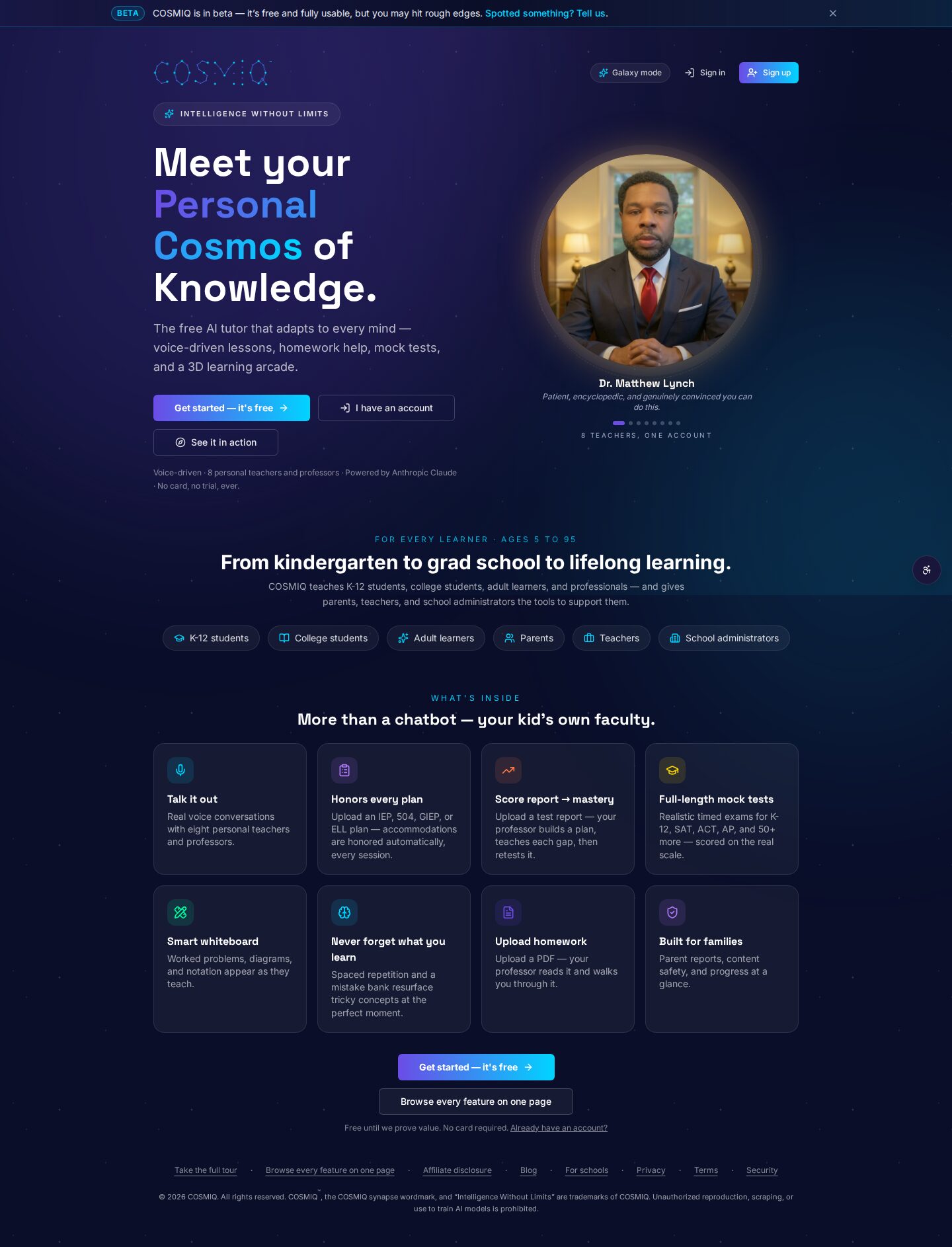
During these busy after-school hours, when students might be transitioning between activities, they may also find themselves needing a quick study boost or a helping hand with homework. This is where tools like COSMIQ can be particularly useful. COSMIQ offers free voice-driven AI tutoring, available free forever for every K-12 student, providing instant, personalized support across subjects. Whether it's a quick question about math before soccer practice or a review of history concepts after dinner, COSMIQ can be a valuable resource during these moments of transition and independent study. Students can also explore the free practice hub by grade and subject to reinforce their learning.
Celebrating iSharing's Contribution to Family Insights
iSharing's dedication to analyzing its internal data and sharing these insights provides a valuable service to families and the broader community. By shedding light on parental check-in patterns, the organization contributes to a better understanding of child safety concerns and family communication dynamics. Their work helps to inform and empower parents, offering data-driven perspectives on when and why they are most concerned about their children's whereabouts. This type of research is crucial for fostering open conversations within families and for developing tools and strategies that genuinely support child well-being.
The iSharing study serves as a positive reminder that technology, when used thoughtfully, can play a role in supporting family connections and peace of mind during the dynamic hours of a child's day.
Learn anything, free.
COSMIQ is a free, voice-driven AI tutor for every learner. No credit card, ever.
Start learning free →