New Tool Aims to Boost Trust and Transparency in Student Writing

In an educational landscape increasingly shaped by digital tools and the rise of artificial intelligence, questions around student writing authenticity have become a significant focus for educators. A recent announcement from Revision History, a company specializing in writing authenticity, introduces Byline, a new student-facing Chrome extension intended to provide teachers with greater visibility into the student writing process.
This tool emerges as schools and universities consider how to best support genuine student work and critical thinking in an era where AI writing assistance is readily available. According to Revision History, Byline aims to foster transparency and build trust between students and teachers by documenting the steps a student takes from initial brainstorming to final submission.
Understanding the Need for Process Visibility
The core challenge Byline seeks to address is the difficulty teachers often face in distinguishing between original student work and content potentially generated or heavily influenced by AI tools. Revision History's existing teacher-facing tool allows educators to review a document's revision history, essentially playing back the writing process. Byline extends this visibility further.
According to Revision History, when the Byline extension is enabled for an assignment, it transparently logs the websites and extensions a student visits and uses until the document is closed. This feature is designed to give teachers a clearer picture of the research and resources students engage with during their writing process. The company states that this expanded insight can help teachers better gauge the authenticity of student work.
Beyond simply logging activity, Byline also offers a customizable AI writing coach, which teachers can choose to enable. Revision History emphasizes that this is not an open chatbot but rather a system that uses teacher-approved, uneditable prompts designed to guide students towards process-oriented and metacognitive thinking. Buzz Rubenstein, CEO & co-founder of Revision History, is quoted stating, “AI should only enter the classroom if, when, and how a teacher wants it to.” This suggests a focus on teacher control and intentional integration of AI support.

Impact on Student and Teacher Trust
One of the most compelling aspects of Byline, as highlighted by Revision History, is its potential impact on trust and anxiety within the classroom. The Appleton Area School District (AASD) in Wisconsin piloted Byline with 350 students in Spring 2026. Post-pilot research, according to Revision History, indicated that Appleton teachers reported increased confidence in the authenticity of student writing. Crucially, students in the pilot also reported experiencing less anxiety about being accused of cheating.
Erik Hanson, dean of digital learning in AASD, is quoted reflecting on student concerns: “One of the top things students worry about is, ‘are teachers going to think I used AI to write this even if I didn’t?’” He added that Byline helps alleviate this by making the entire process visible, from documented prompting to resource gathering. This suggests that transparency, rather than suspicion, can be a pathway to a more trusting learning environment.
For students, knowing their process is documented can provide reassurance, validating their efforts and demonstrating their original thought. For teachers, this visibility can offer peace of mind, allowing them to focus more on instruction and less on detection. Tools like these can complement other free learning resources, such as COSMIQ, a free voice-driven AI tutor, which provides K-12 students with personalized support to understand concepts and improve their writing skills, allowing them to build genuine understanding from the ground up.
Practical Implications for the Classroom
The wider rollout of Byline, which Revision History states has already been adopted by over 35 schools and districts since launching this fall, signifies a growing interest in tools that support academic integrity through transparency. Revision History's companion tool is reportedly used by more than 250,000 teachers. This development suggests a shift in how educators might approach writing assignments, moving from solely evaluating the final product to also understanding the journey of its creation.
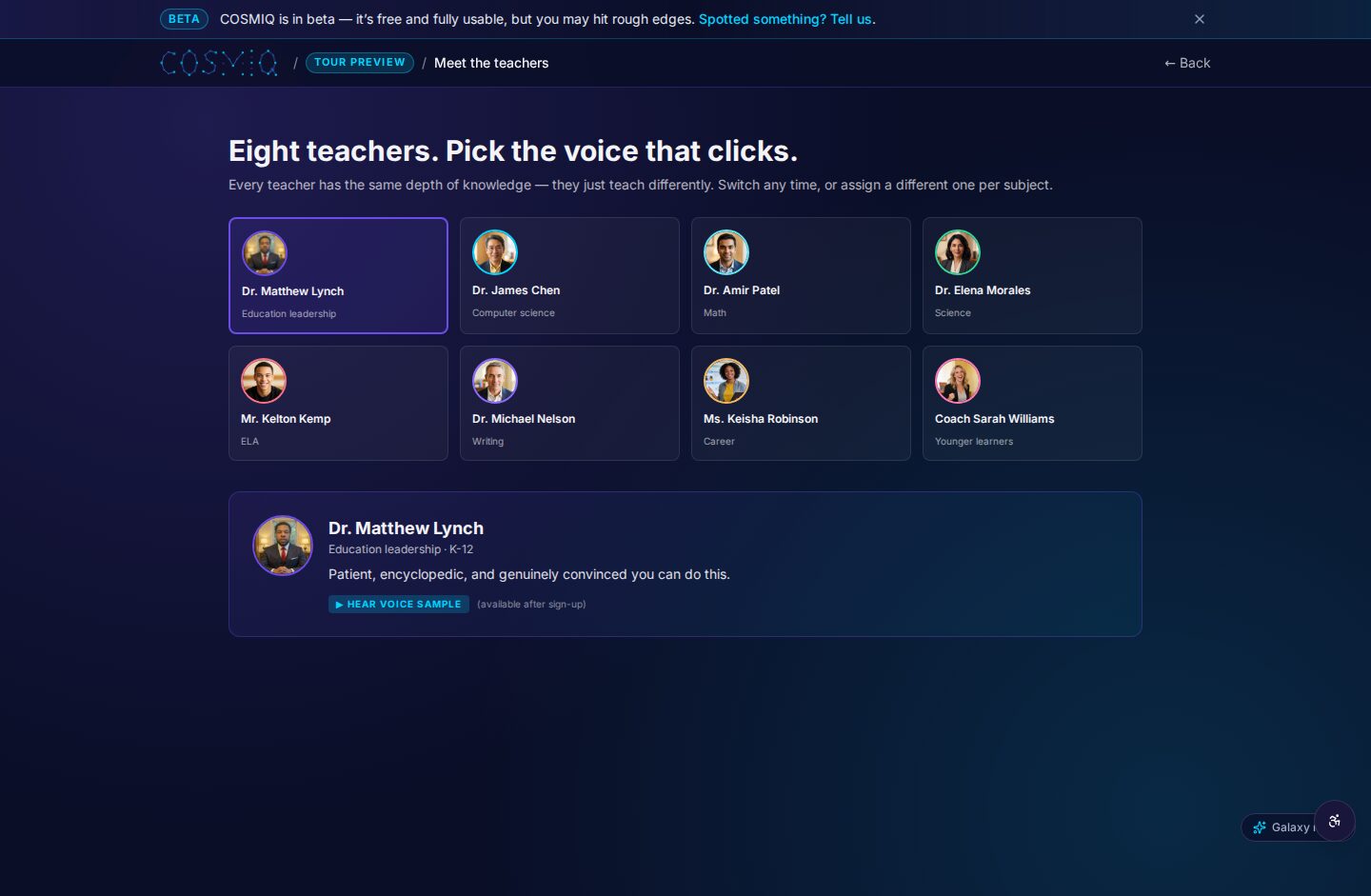
For parents, understanding how tools like Byline work can provide insight into how their children's schools are addressing academic integrity in the digital age. It emphasizes the importance of the writing process itself, rather than just the outcome, and can encourage discussions at home about ethical use of resources and AI tools. For teachers, such tools offer a structured way to observe and guide student learning, potentially freeing up time from investigating authenticity to focusing on providing more targeted feedback. Exploring resources like COSMIQ's free practice hub can further support students in developing their skills through authentic engagement.
Looking Ahead
As educational technology continues to evolve, solutions that foster transparency and build trust are likely to become increasingly important. By providing a clearer window into the student writing process, Byline aims to help bridge the gap between concerns about AI misuse and the desire to support students in developing their authentic voices. This approach suggests a move towards proactive process documentation rather than solely reactive detection, potentially creating a more supportive and less anxious environment for both students and educators.
Revision History indicates that schools and districts with existing Revision History licenses can access Byline with a year-long free trial.
Learn anything, free.
COSMIQ is a free, voice-driven AI tutor for every learner. No credit card, ever.
Start learning free →