Student Sleep Crisis: New Report Highlights States Where Kids Are Most Exhausted

In today's fast-paced world, the importance of a good night's sleep for students often gets overlooked. Yet, adequate rest is fundamental for academic performance, mental health, and overall well-being. A new report released in September 2026 by eyewear brand Overnight Glasses brings this critical issue into sharp focus, identifying the states where America's students are most affected by sleep deprivation.
The study offers a comprehensive look at various factors contributing to students' lack of sleep, from early school start times to lengthy daily commutes and even online searches for sleep solutions. For parents, teachers, and students alike, these findings provide valuable context for understanding the challenges many young people face in getting the rest they need.
Understanding the Sleep Deprivation Index
Overnight Glasses conducted an extensive analysis across all 50 U.S. states to pinpoint where students struggle most with sleep. According to the organization, their research combined several key metrics into a single "Sleep-Deprivation Index score out of 100." These metrics included:
- The percentage of children not getting enough rest.
- The percentage of high school students not getting enough rest.
- Average school start times across elementary, middle, and high school levels.
- Sleep-related search volume per 100,000 students, indicating active concern about sleep problems.
- Average daily commute time for students.
By integrating these factors, the report aimed to create a holistic picture of the environments making it hardest for children to achieve a full night's rest. This detailed approach provides a robust foundation for understanding the scope of student exhaustion across the nation, offering insights beyond just one contributing factor.
The Top 10 States Where Students Are Most Sleep-Deprived
According to the Overnight Glasses report, the following ten states recorded the highest Sleep-Deprivation Index scores, indicating their students face the most significant challenges in getting adequate sleep:

- Louisiana: Topping the list with a score of 100, Louisiana sees half of all children not getting the rest they need. Early high school start times (7:30 AM average) and significant sleep-related online searches contribute to this challenge, the organization states.
- Mississippi: Ranking second with a score of 95.6, nearly half of all children and 8 in 10 high schoolers in Mississippi fall short of recommended sleep. Early average school start times (7:45 AM) are also a factor.
- Alabama: With a score of 91.3, more than 4 in 10 children in Alabama are not sleeping enough, according to the report. Early middle and high school start times (7:49 AM and 7:57 AM, respectively) combined with commutes over 25 minutes contribute to the issue.
- West Virginia: Scoring 79.4, West Virginia has the highest rate of teenagers (over 80%) not meeting nightly sleep recommendations among states where data was available, the study found. Early high school start times (7:46 AM) and 26-minute commutes are cited.
- Delaware: At a score of 78.8, Delaware shows nearly double the rate of online sleep-help searches compared to Louisiana. The report indicates 38% of children and over 4 in 5 high schoolers are sleep-deprived, partly due to 7:40 AM middle school start times.
- Kentucky: Scoring 75.6, Kentucky sees 45.7% of children and 81.6% of high schoolers not getting enough sleep, with an average school start time of 8:07 AM.
- Hawaii: With a score of 72.9, Hawaii stands out for its high volume of sleep-related searches per 100K students. The organization notes that nearly 1 in 25 students are actively looking for ways to fix sleep problems, alongside a 7:59 AM average school start time and 27.1-minute commutes.
- New Mexico: Scoring 72.5, New Mexico reports 43.4% of children and 69.5% of high schoolers not getting sufficient rest, with an average school start time of 8:06 AM.
- Georgia: At a score of 72.4, Georgia has 41.4% of children not getting enough sleep. The report highlights an average commute time of 28.7 minutes, one of the longest in the study, coupled with an 8:06 AM average school start time.
- Indiana: Rounding out the top ten with a score of 70.5, Indiana shows 40.8% of children and 77.6% of high schoolers are sleep-deprived, with an average school start time of 8:06 AM.
The Impact of Sleep Deprivation on Students
Gidon Sadovsky, CEO of Overnight Glasses, commented on the study's findings, emphasizing the broader consequences of this widespread issue. According to Sadovsky, "Teenagers today are sleeping less than ever, with only 22% of older teens getting seven hours of rest." He attributes this not only to traditional pressures like homework and social life but also to modern factors such as "late-night screen time and heavy academic burnout."
The CEO further notes the compounding negative effects: "Constantly staring at phones late into the night does double damage, causing severe eye strain and vision fatigue alongside sleep deprivation." Critically, he concludes that "This lack of rest directly hurts mental health, focus, and school performance."
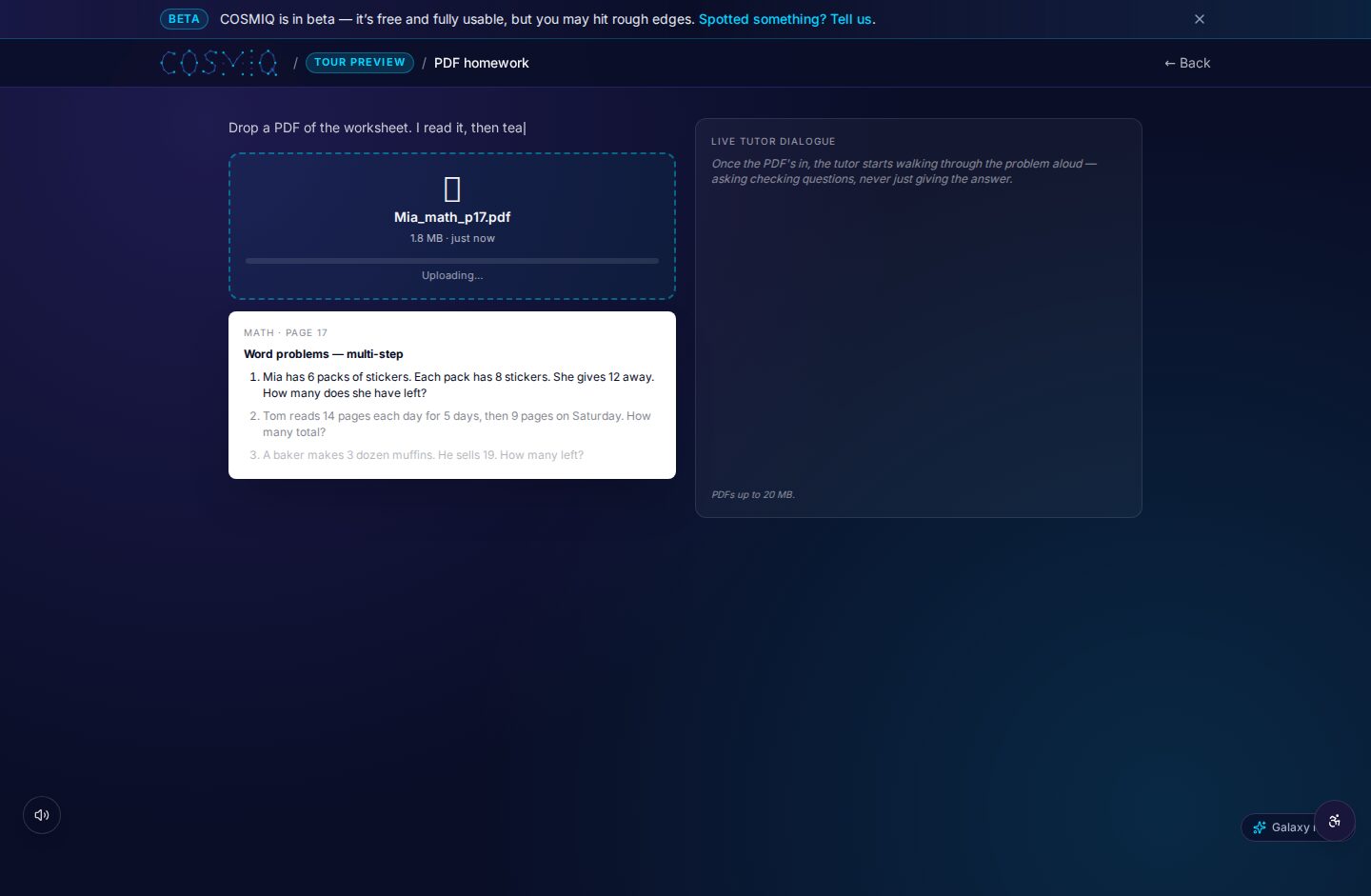
These insights underscore why addressing student sleep is not just about comfort, but about foundational support for their development and learning. For students struggling to keep up due to exhaustion, COSMIQ offers free voice-driven AI tutoring, providing personalized academic assistance that can help manage academic stress and optimize study time, potentially freeing up valuable hours for rest.
Practical Steps for Parents and Educators
While systemic changes to school start times and commute lengths may require broader community efforts, there are actionable steps families and schools can take to mitigate the effects of sleep deprivation:
- Prioritize Sleep Hygiene: Encourage consistent bedtimes and wake-up times, even on weekends. Create a relaxing bedtime routine free from screens.
- Optimize the Sleep Environment: Ensure bedrooms are dark, quiet, and cool.
- Limit Screen Time: Especially in the hours leading up to bedtime, the blue light from screens can interfere with melatonin production, a hormone essential for sleep.
- Encourage Physical Activity: Regular exercise can improve sleep quality, but avoid intense workouts too close to bedtime.
- Monitor Caffeine Intake: Be mindful of caffeine consumption, particularly in the afternoon and evening.
- Advocate for Later Start Times: Where possible, parents and educators can engage in discussions with school boards about the benefits of later school start times for adolescent health.
For students facing challenging academic schedules, tools like the COSMIQ free practice hub can offer efficient ways to review material and prepare for tests, helping to reduce the need for late-night study sessions. By making learning more accessible and effective, students might find it easier to manage their workloads and dedicate more time to essential rest.
Conclusion
The report from Overnight Glasses serves as a vital reminder that student well-being is inextricably linked to adequate sleep. By highlighting the states and factors most contributing to student exhaustion, the study empowers communities to initiate conversations and implement strategies that prioritize rest. Recognizing and addressing sleep deprivation is a collective effort that can lead to healthier, more focused, and ultimately more successful students across America.
Learn anything, free.
COSMIQ is a free, voice-driven AI tutor for every learner. No credit card, ever.
Start learning free →