Navigating AI in Schools: Education Next Advocates for Integration, Not Banning

As artificial intelligence continues to integrate into various aspects of daily life, its presence in schools has sparked considerable debate. Education Next, a journal of opinion and research on education policy, recently weighed in on this crucial conversation through its podcast, "The Education Exchange." The episode, titled "Don’t Ban AI in Schools," featured a discussion with Dan Weisberg, Chief Program and Policy Officer at the Wallace Foundation and former deputy chancellor of New York City Public Schools, alongside Paul E. Peterson. Their conversation delved into the complexities of regulating AI in educational settings and highlighted its potential to support teachers and students.
The core message from this discussion is a call for a balanced approach: rather than outright banning AI tools, educators and policymakers should explore how these technologies can be leveraged effectively to enhance learning and streamline administrative tasks. This perspective acknowledges both the concerns surrounding AI's impact on student learning and its clear time-saving benefits for adults, and potentially for students themselves.
Understanding the 'Don't Ban' Stance
The initial reaction to new technologies in education often swings between enthusiastic adoption and outright prohibition. With AI, concerns about academic integrity, the potential for reduced critical thinking skills, and equitable access have led some institutions to consider banning these tools. However, Education Next's discussion suggests that such a blanket ban might be a missed opportunity, potentially hindering progress rather than fostering responsible innovation.
According to the podcast discussion, the focus should shift from preventing use to guiding responsible and effective integration. This involves developing clear policies, providing adequate training for educators, and fostering an understanding of AI's capabilities and limitations. The conversation pointed to the practical realities of AI's growing presence and the futility of trying to completely wall off schools from a technology that students will encounter and use outside the classroom.
AI's Potential to Support Teachers
One of the most compelling arguments for integrating AI into schools, as highlighted by Education Next, is its potential to alleviate some of the significant pressures on educators. Teachers often face heavy workloads, from lesson planning and grading to administrative tasks and personalized student feedback. AI tools could offer substantial support in these areas.

- Streamlining Administrative Tasks: AI can automate routine tasks like scheduling, data organization, and even generating initial drafts of communications, freeing up valuable teacher time.
- Personalized Learning Assistance: While not a replacement for human interaction, AI can help teachers identify student learning gaps, suggest tailored resources, or even generate practice problems that adapt to a student's progress. This can be particularly helpful in large classrooms where individualized attention is challenging.
- Content Creation and Resource Discovery: AI can assist teachers in quickly finding relevant educational materials, summarizing complex texts, or even generating creative prompts for student assignments.
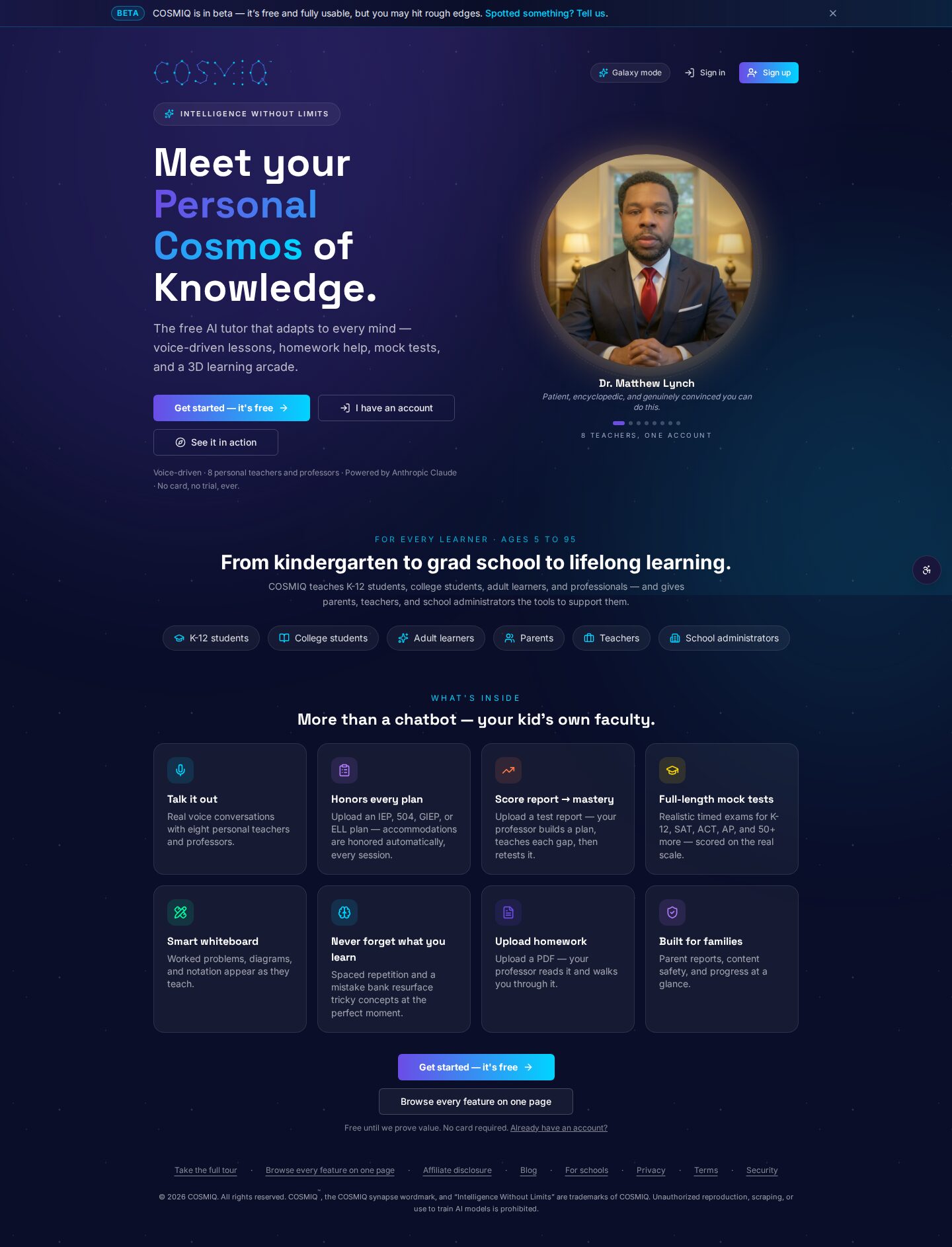
For platforms like COSMIQ, a free voice-driven AI tutor available for every K-12 student, the goal is to provide accessible, personalized learning support that complements classroom instruction. Such tools aim to empower students with on-demand help and provide teachers with resources that can enhance their pedagogical approaches without adding to their workload.
The Student Perspective: Enhancing Learning, Not Replacing It
While the benefits for teachers are clear, the discussion also touched upon the potential for AI to aid student learning directly. The key, according to Education Next, lies in using AI as a tool for enhancement, not as a substitute for critical thinking or genuine effort.
- Access to Instant Support: AI tutors can provide immediate explanations, answer questions, and offer practice opportunities outside of school hours, bridging gaps in understanding as they arise. For instance, students can explore the free practice hub by grade and subject to reinforce classroom learning.
- Developing Digital Literacy: Learning to effectively use and critically evaluate AI tools is becoming an essential skill for students. Integrating AI into the curriculum can help students develop this crucial digital literacy.
- Fostering Independent Learning: When used thoughtfully, AI can encourage students to take more ownership of their learning by providing resources and feedback that support self-directed study.
The conversation underscores that the aim is not to have AI do the thinking for students, but to provide them with intelligent resources that can clarify concepts, offer different perspectives, and help them practice skills in a supportive environment.
Moving Forward: Policy and Practice in 2026-2027
The insights from Education Next's "The Education Exchange" podcast highlight the urgent need for educators, policymakers, and parents to collaborate on developing comprehensive strategies for AI integration. Simply banning these tools may prevent schools from harnessing their potential to address existing challenges in education, such as teacher shortages, diverse learning needs, and the demand for personalized instruction.
As schools look ahead to the 2026-2027 academic year, the discussion emphasizes the importance of:
- Clear Guidelines: Establishing policies that define appropriate AI use for both students and teachers, addressing issues like academic integrity and data privacy.
- Professional Development: Equipping teachers with the knowledge and skills to effectively integrate AI into their teaching practices.
- Ongoing Research and Evaluation: Continuously assessing the impact of AI tools on learning outcomes and adjusting strategies as needed.
- Open Dialogue: Fostering conversations among all stakeholders—students, parents, teachers, and administrators—to ensure that AI implementation aligns with educational goals and values.
Ultimately, the message from Education Next is one of thoughtful engagement. Rather than fearing or rejecting AI, the educational community is encouraged to embrace its potential, mitigate its risks, and shape its role in creating more effective, equitable, and engaging learning experiences for all.
Learn anything, free.
COSMIQ is a free, voice-driven AI tutor for every learner. No credit card, ever.
Start learning free →