Arkansas's Universal School Choice: An Early Look at Comprehensive Education Reform

As of 2026, seventeen states have adopted universal school choice programs, marking a significant shift in the educational landscape across the United States. Among these, Arkansas stands out as an early example, offering a comprehensive look at what happens when such a program is implemented alongside other major reforms. A new book, The State of Education in Arkansas, published by the University of Arkansas Press, delves into these concurrent changes, providing an evidence-based roadmap for understanding their potential impact.
This volume, edited by Dr. Harry Patrinos, an education economist, and Dr. Kristen Scott, an award-winning educator, examines Arkansas's approach, which includes a fast-growing Education Freedom Account program, historic teacher raises, science-of-reading mandates, and new accountability measures. For students, parents, and educators in Arkansas and beyond, this research offers crucial insights into the complexities and potential outcomes of such ambitious educational initiatives.
Arkansas's Integrated Approach to Education Reform
According to the University of Arkansas Press, Arkansas's recent educational journey is characterized by a unique alignment of political leadership, financial investment, and policy coherence. The state has undertaken several major policy initiatives simultaneously, including the LEARNS and ACCESS Acts. These acts encompass not only the expansion of school choice through Education Freedom Accounts but also significant increases in teacher compensation, universal early literacy efforts, and strategies to address learning loss experienced during the pandemic era.
This integrated approach is particularly noteworthy because it attempts to address multiple facets of the education system at once. While school choice programs often garner significant attention, the book highlights how Arkansas has paired this with efforts to strengthen the teaching profession and improve foundational literacy skills. Such a multi-pronged strategy could offer a more holistic path to improving student outcomes, as opposed to isolated reforms.
The Role of Universal School Choice and Education Freedom Accounts
A central component of Arkansas's reforms is its universal school choice program, implemented through Education Freedom Accounts. These accounts allow public funds allocated for a child's education to follow them to the school of their choice, whether public, private, or for other approved educational expenses. For families, this can mean greater flexibility in selecting an educational environment that best suits their child's needs and learning style. The University of Arkansas Press indicates that Arkansas's program has seen rapid growth, suggesting a significant uptake by families.
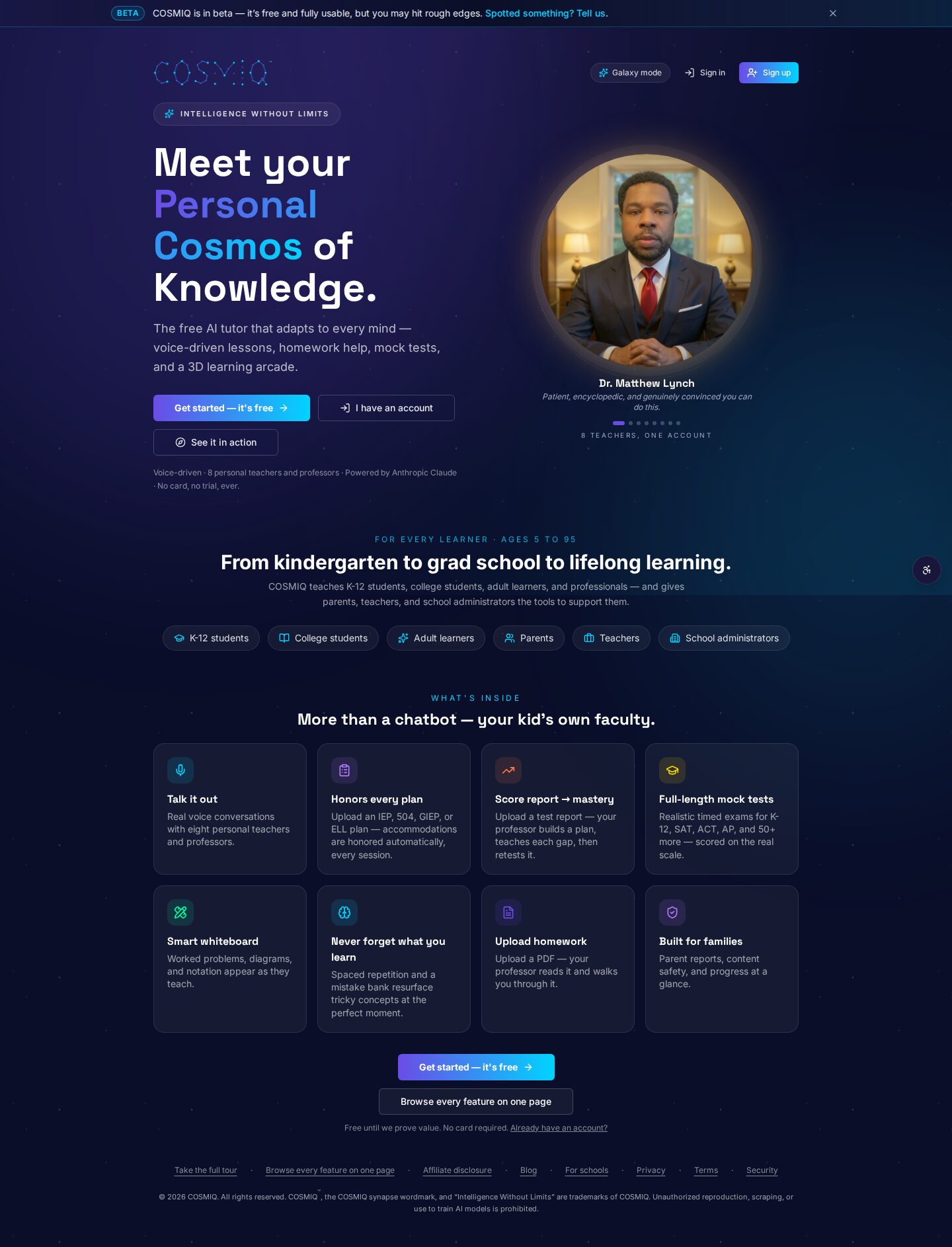
For students, the availability of diverse educational options can be empowering. It can open doors to specialized programs, different pedagogical approaches, or environments that may offer a better fit than their assigned public school. However, understanding how to navigate these choices and access available resources is key. Platforms like COSMIQ offer free, voice-driven AI tutoring for K-12 students, providing supplementary support regardless of a student's chosen school environment, helping to ensure all learners have access to personalized academic assistance.
Supporting Educators: Teacher Compensation and Professional Development
Beyond school choice, Arkansas has also made historic commitments to increasing teacher compensation. The University of Arkansas Press notes that this focus on teacher raises is a critical element of the state's reform package. Attracting and retaining high-quality educators is fundamental to any successful education system, and competitive salaries can play a significant role in achieving this goal.
In addition to financial incentives, the state has also mandated the science of reading, a research-backed approach to literacy instruction. This initiative aims to equip all educators with effective strategies for teaching reading, particularly in early grades, to address long-standing disparities in student literacy outcomes. The book suggests that these efforts, combined with universal early literacy programs, are designed to create a strong foundation for all students, addressing challenges that have persisted despite generations of prior efforts.

Accountability and Long-Term Success
The editors, Dr. Patrinos and Dr. Scott, emphasize that policy changes alone are not sufficient for lasting improvement. According to Dr. Patrinos, the ultimate success of these reforms will depend on effective implementation and a sustained focus on student outcomes. Dr. Scott adds that the volume provides educators, policymakers, researchers, and parents with the evidence to reflect on Arkansas’s educational journey and chart a path toward meeting learning goals.
The book highlights the importance of continuous evaluation and disciplined execution to ensure that all students, regardless of their background or geographic location, benefit from these reform efforts. This focus on accountability and evidence-based decision-making is crucial for understanding whether these comprehensive changes are indeed leading to improved educational outcomes across the state. For parents and teachers, access to data and transparent reporting on the impact of these policies can help them advocate for their students' needs and make informed decisions about educational pathways.
Conclusion
The State of Education in Arkansas offers a timely and comprehensive analysis of a state embracing a broad spectrum of educational reforms, with universal school choice as a prominent feature. By examining the interplay between Education Freedom Accounts, teacher compensation, science-of-reading mandates, and accountability measures, the book provides valuable lessons for other states considering similar transformative changes. The insights gleaned from Arkansas's experience can help inform ongoing conversations about how to best support students, empower families, and strengthen the education system for the future.
Learn anything, free.
COSMIQ is a free, voice-driven AI tutor for every learner. No credit card, ever.
Start learning free →