Unpacking the Future: Oxford Summer School on AI in Education

The landscape of education is continuously evolving, and perhaps no force is poised to reshape it more profoundly than artificial intelligence. This past summer, academics, educators, and innovators converged at the prestigious Oxford Summer School to explore this very topic: the future of AI in education. The discussions were rich and multifaceted, offering valuable insights for anyone invested in the learning journey – from students navigating their studies to parents supporting their children, and teachers dedicated to fostering growth.
Understanding AI's Role in Personalized Learning
One of the central themes at the Oxford Summer School was AI's potential to revolutionize personalized learning. Traditionally, educators strive to meet individual student needs, but the sheer diversity in learning styles, paces, and interests makes this a monumental task. AI offers tools that can analyze student performance, identify knowledge gaps, and even recommend tailored resources and learning pathways.
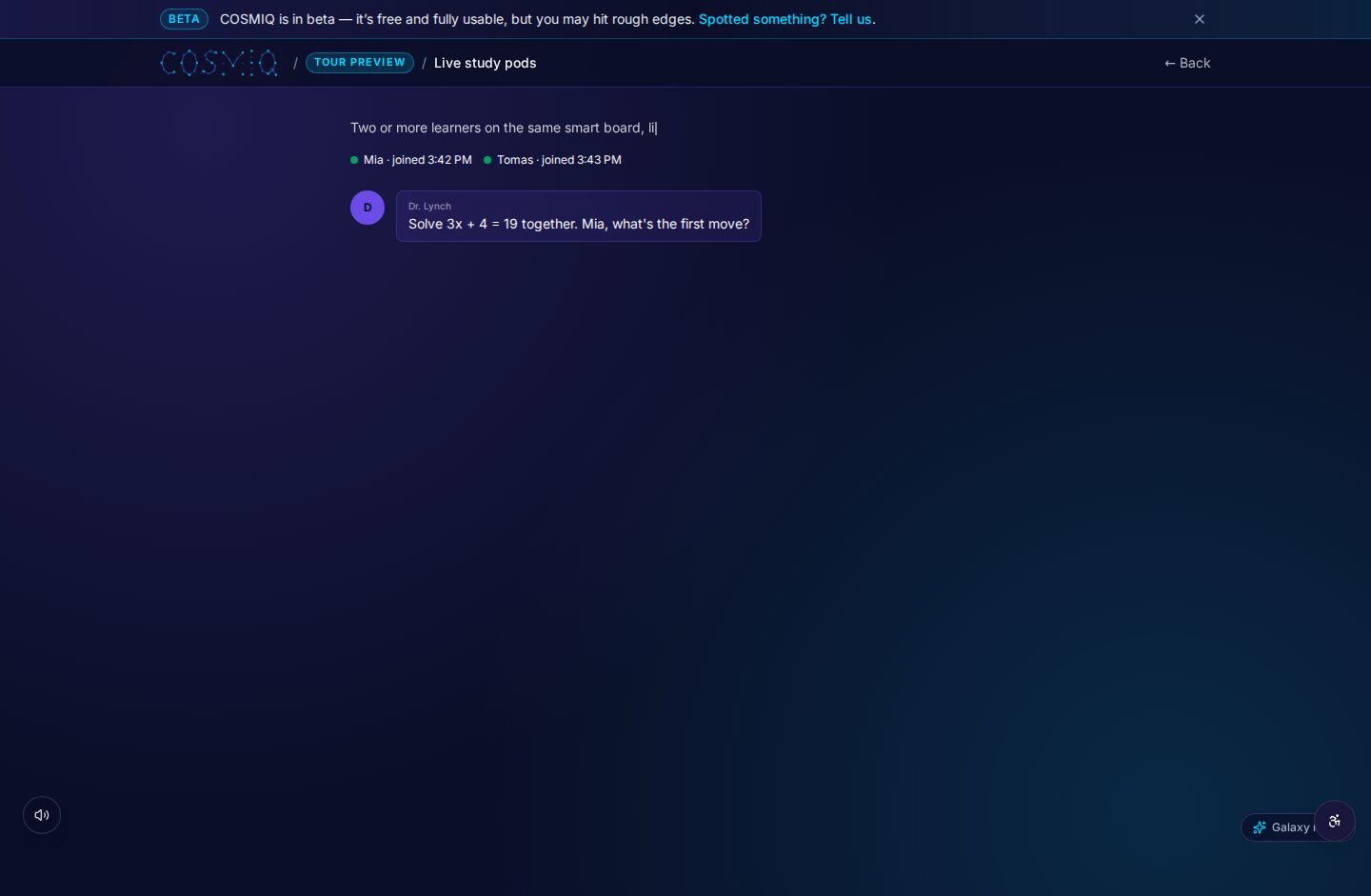
- Adaptive Learning Platforms: Imagine a student struggling with a particular math concept. An AI-powered platform could identify this, provide additional practice problems, and explain the concept in different ways until mastery is achieved, all without direct teacher intervention for every single step.
- Intelligent Tutoring Systems: These systems can act as virtual tutors, offering immediate feedback, answering questions, and guiding students through complex topics. This can be particularly beneficial for students who might be shy to ask questions in a classroom setting or who require extra support outside of school hours.
- Content Curation: AI can help curate vast amounts of educational content, recommending relevant articles, videos, and interactive exercises based on a student's specific learning goals and preferences.
For parents, this means a more targeted and effective learning experience for their children, potentially reducing frustration and increasing engagement. For teachers, it frees up valuable time from administrative tasks and allows them to focus on higher-order teaching strategies, mentorship, and fostering critical thinking skills.
Empowering Educators and Streamlining Administration
Beyond direct student interaction, the Oxford Summer School also highlighted how AI can empower educators and streamline administrative processes, giving teachers more time to teach and less time managing data.
- Automated Grading and Feedback: While creative writing and complex problem-solving still require human nuanced assessment, AI can effectively grade multiple-choice questions, fill-in-the-blank exercises, and even provide basic grammatical feedback on essays. This significantly reduces a teacher's workload.
- Data Analysis and Insights: AI tools can analyze large datasets of student performance, identifying trends, predicting potential difficulties, and offering insights that help teachers adjust their curriculum or intervention strategies proactively.
- Resource Generation: AI can assist teachers in generating lesson plans, quizzes, and even differentiated materials tailored to various student levels within a single classroom.
- Professional Development: AI can also play a role in personalized professional development for teachers, recommending courses or resources based on their teaching style, subject area, and areas for growth.
This shift allows teachers to become facilitators of learning, leveraging AI as a powerful assistant rather than seeing it as a replacement. The focus remains on human connection, empathy, and the unique ability of a teacher to inspire and motivate.
Addressing Challenges and Ethical Considerations
The discussions at Oxford were not solely focused on the optimistic potential of AI; they also grappled with the significant challenges and ethical considerations that accompany its integration into education. Key concerns included:
- Equity and Access: Ensuring that all students, regardless of socioeconomic status or geographical location, have equitable access to AI-powered educational tools is crucial. The digital divide could be exacerbated if not addressed thoughtfully.
- Data Privacy and Security: The collection of student data by AI systems raises important questions about privacy, security, and how this data is used and protected. Robust policies and transparent practices are essential.
- Bias in Algorithms: AI algorithms are trained on existing data, which can sometimes reflect societal biases. Ensuring that educational AI is fair, unbiased, and inclusive is a complex but vital task.
- Maintaining Human Connection: While AI offers incredible tools, the human element in education – the mentorship, emotional support, and social interaction – remains irreplaceable. The goal is to augment, not replace, human teachers.
- Teacher Training: Equipping current and future educators with the skills and understanding to effectively integrate AI into their teaching practices is paramount.
The Oxford Summer School emphasized that the responsible development and deployment of AI in education require ongoing dialogue, collaboration among stakeholders, and a commitment to ethical principles.
The Path Forward for 2026 and Beyond
The insights from the Oxford Summer School paint a compelling picture of a future where AI acts as a powerful partner in the educational journey. For students, it promises more personalized, engaging, and effective learning experiences. For parents, it offers greater insight into their children's progress and access to supportive tools. For teachers, it presents an opportunity to innovate, reduce administrative burdens, and focus on the art of teaching.
As we look towards 2026 and beyond, the integration of AI into education will undoubtedly continue to evolve. The key will be to approach this transformation thoughtfully, prioritizing student well-being, fostering equitable access, and empowering educators to harness these new technologies for the greatest good.
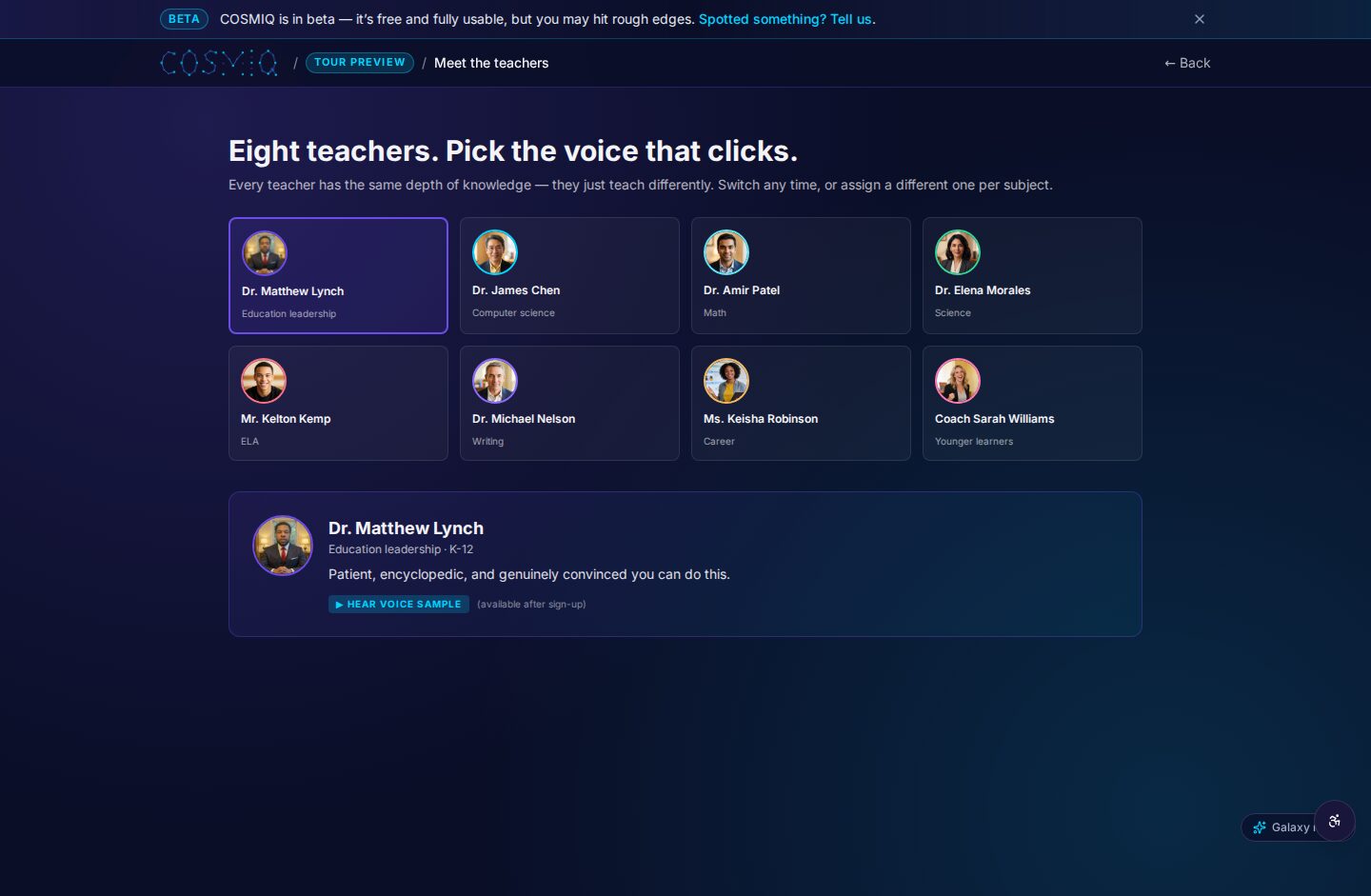
Learn anything, free.
COSMIQ is a free, voice-driven AI tutor for every learner. No credit card, ever.
Start learning free →