Bridging the Gap: How Connecting Assessment and Curriculum Can Transform Learning

In the complex landscape of K-12 education, a persistent challenge for educators, students, and families is the fragmentation that can occur between what is taught, how it is assessed, and the tools used for learning. Balancing curriculum demands, state standards, and the diverse needs of individual students can feel like a constant juggle. Recently, Renaissance, an education technology provider, addressed this very issue, emphasizing the critical need for greater coherence in education to foster more impactful learning experiences.
The Coherence Challenge in Today's Classrooms
Many educators can attest to the feeling of being pulled in multiple directions. A curriculum might dictate specific content, while state standards introduce additional requirements, and then various learning tools and assessments are introduced, sometimes without a clear connection to each other. According to Renaissance, this fragmentation can hinder effective teaching and learning, making it difficult for students to see the relevance of what they are learning and for teachers to gain a holistic view of student progress.
For parents, this can manifest as confusion about how their child's classroom activities, homework, and test scores relate to their overall academic growth. Students, too, can struggle when assessments feel disconnected from their daily lessons, leading to increased anxiety rather than a demonstration of true understanding. The goal, as highlighted by Renaissance, is to create a more unified educational ecosystem where every component works together to support student success.
Strategies for a More Cohesive Learning Environment
Renaissance points to several key areas where greater coherence can be achieved. One primary focus is on reducing the disconnect between assessment, curriculum, and the various learning tools employed in the classroom. When these elements are aligned, assessments become more meaningful, directly reflecting what students have been taught, and learning tools can be strategically used to reinforce specific curriculum objectives.
- Integrating Assessment with Instruction: Instead of viewing assessments solely as end-of-unit tests, a coherent approach integrates them throughout the learning process. This allows teachers to continuously monitor student understanding and adjust instruction in real-time.
- Curriculum-Aligned Learning Tools: Ensuring that digital tools and resources directly support the curriculum helps to reinforce learning objectives rather than introducing additional, disconnected content.
- Leveraging Education Intelligence Systems: Renaissance emphasizes the growing role of Education Intelligence Systems (EIS) in supporting decision-making. These systems, according to the organization, can help leaders and teachers gain deeper insights into student performance by analyzing data across different educational components, fostering a more informed approach to instruction.
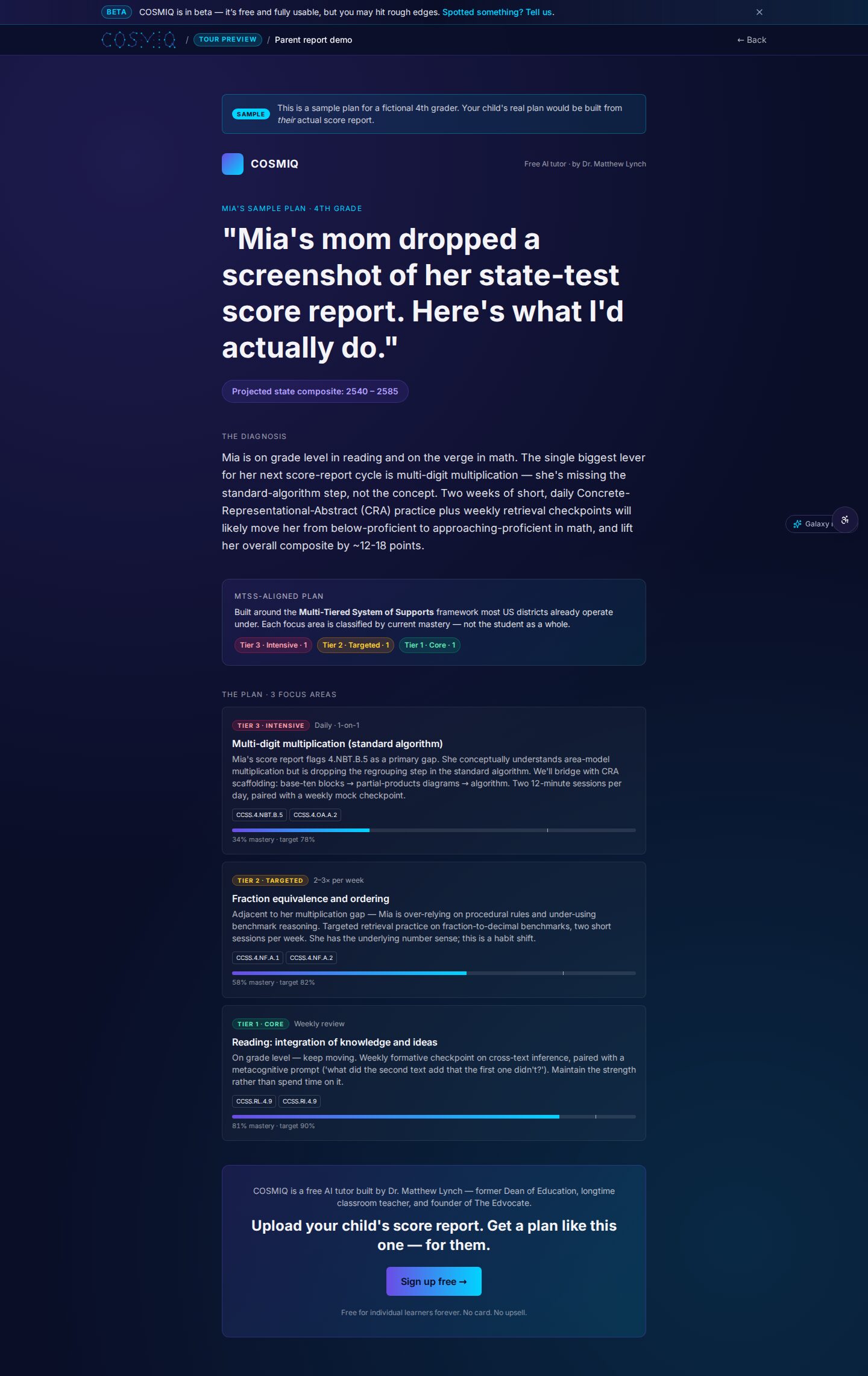
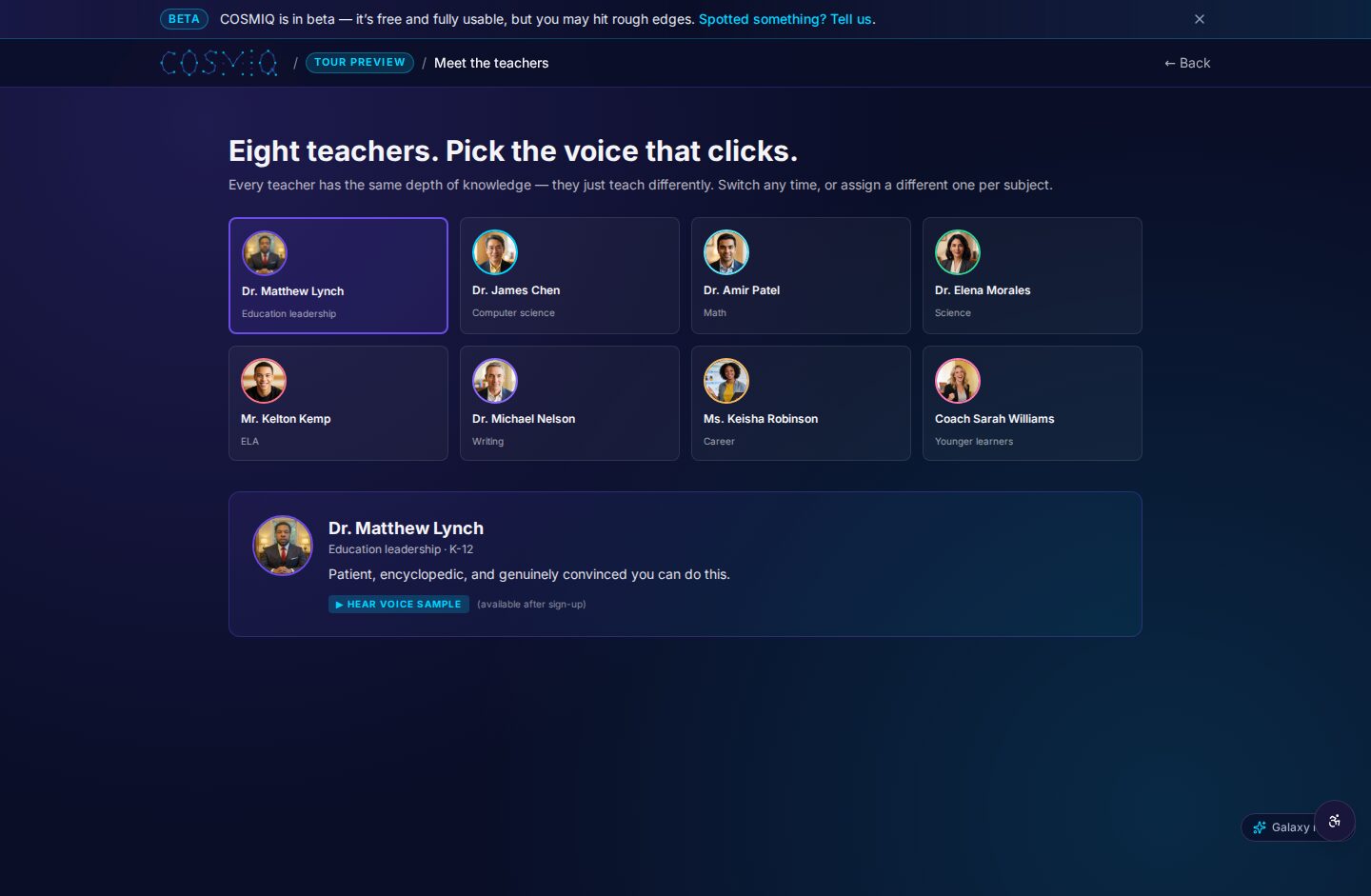
For students navigating various subjects and concepts, having access to free, accessible tools that align with their learning can be incredibly beneficial. Platforms like COSMIQ, a free voice-driven AI tutor, offer K-12 students free, personalized support that can help bridge gaps and reinforce understanding across different curriculum areas, making learning more cohesive and manageable.
The Role of AI Tools and Schoolwide Improvement
The discussion around educational coherence also touches upon the integration of AI tools. While AI offers immense potential, Renaissance suggests that many leaders may overlook a key insight: the most effective AI tools are those that are thoughtfully integrated into a coherent educational strategy, rather than being adopted in isolation. When AI supports the alignment of curriculum and assessment, it can amplify learning outcomes and provide targeted assistance to students and teachers.
Ultimately, according to Renaissance, greater coherence is fundamental to schoolwide improvement. When all stakeholders – teachers, administrators, students, and parents – understand how each piece of the educational puzzle fits together, the entire system becomes more effective. This understanding can lead to:
- Improved student engagement as learning becomes more relevant and connected.
- More efficient use of instructional time and resources.
- Better data for identifying areas of strength and areas needing support for individual students and the school community as a whole.
- Enhanced communication between teachers, students, and families regarding academic progress.
Parents can play a vital role by understanding how their child's school is working to connect these elements and by reinforcing learning at home. Exploring resources like COSMIQ's free practice hub can provide additional, aligned support for students seeking to solidify their understanding of classroom material.
Looking Ahead: A Unified Vision for Education
The insights shared by Renaissance underscore a broader movement within education towards creating more integrated and supportive learning environments. By focusing on the coherence between assessment, curriculum, and the tools that facilitate learning, schools can work towards a more effective and less fragmented experience for everyone involved. This shift promises not only to streamline educational processes but also to foster deeper understanding and greater success for every student in the 2026-2027 school year and beyond.
Learn anything, free.
COSMIQ is a free, voice-driven AI tutor for every learner. No credit card, ever.
Start learning free →