Hupside's Hupmapper: A New Approach to Measuring Original Thinking in the AI Era

The rise of artificial intelligence in education has brought both incredible opportunities and complex challenges. One of the most significant concerns for educators today is how to accurately measure a student's original thinking when AI tools are readily available for assignment support. This isn't just about detecting AI use; it's about understanding and fostering the unique intellectual contribution of each student. Addressing this evolving landscape, Hupside, an organization focused on innovation in education, recently announced the launch of a new tool called Hupmapper.
Hupmapper is designed not to police AI use, but to empower educators with a clearer view of a student's individual input. It represents a noteworthy shift in the conversation surrounding AI in the classroom, moving beyond simple detection to focus on the cultivation and recognition of original thought.
Shifting Focus from Detection to Originality
Traditionally, discussions around AI in student work often centered on detection – identifying whether AI was used and, if so, to what extent. However, as AI tools become more sophisticated and integrated into learning processes, the lines between AI assistance and student creation can blur. According to Hupside, this has led to a situation where educators struggle to discern the true depth of a student's original thought. Furthermore, with many students leveraging similar AI tools, there's a risk of assignments beginning to sound homogeneous, potentially stifling diverse perspectives.
Hupside's Hupmapper tackles this issue from a different angle. Instead of attempting to determine if a student used AI, the tool measures what a person contributed beyond an AI-generated baseline. This approach acknowledges the reality of AI's presence and instead seeks to quantify the human element. For parents, this means a potential move towards assessments that value their child's unique voice and creativity, rather than solely focusing on compliance. For teachers, it offers a metric to celebrate and encourage deeper engagement and critical thinking.
Understanding the 'Originality Intensity' Score
The core output of Hupmapper is an 'Originality Intensity' score. According to Hupside, this score provides educators and admissions leaders with a more nuanced way to identify and evaluate original thinking. It's a metric designed to highlight the unique insights, perspectives, and analytical depth that a student brings to an assignment, even when AI tools might have been part of their research or drafting process.
Jonathan Aberman, CEO of Hupside and Founding Dean of the College of Business, Innovation, Leadership, and Technology at Marymount University, emphasizes the importance of this shift. He suggests that the educational conversation needs to evolve beyond simply detecting AI use to truly understanding what it means for students to think originally in an AI-augmented world. This perspective aligns with the broader goal of preparing students for a future where collaboration with AI will likely be commonplace, making the ability to contribute unique human insight even more valuable.
What This Means for Students, Parents, and Teachers
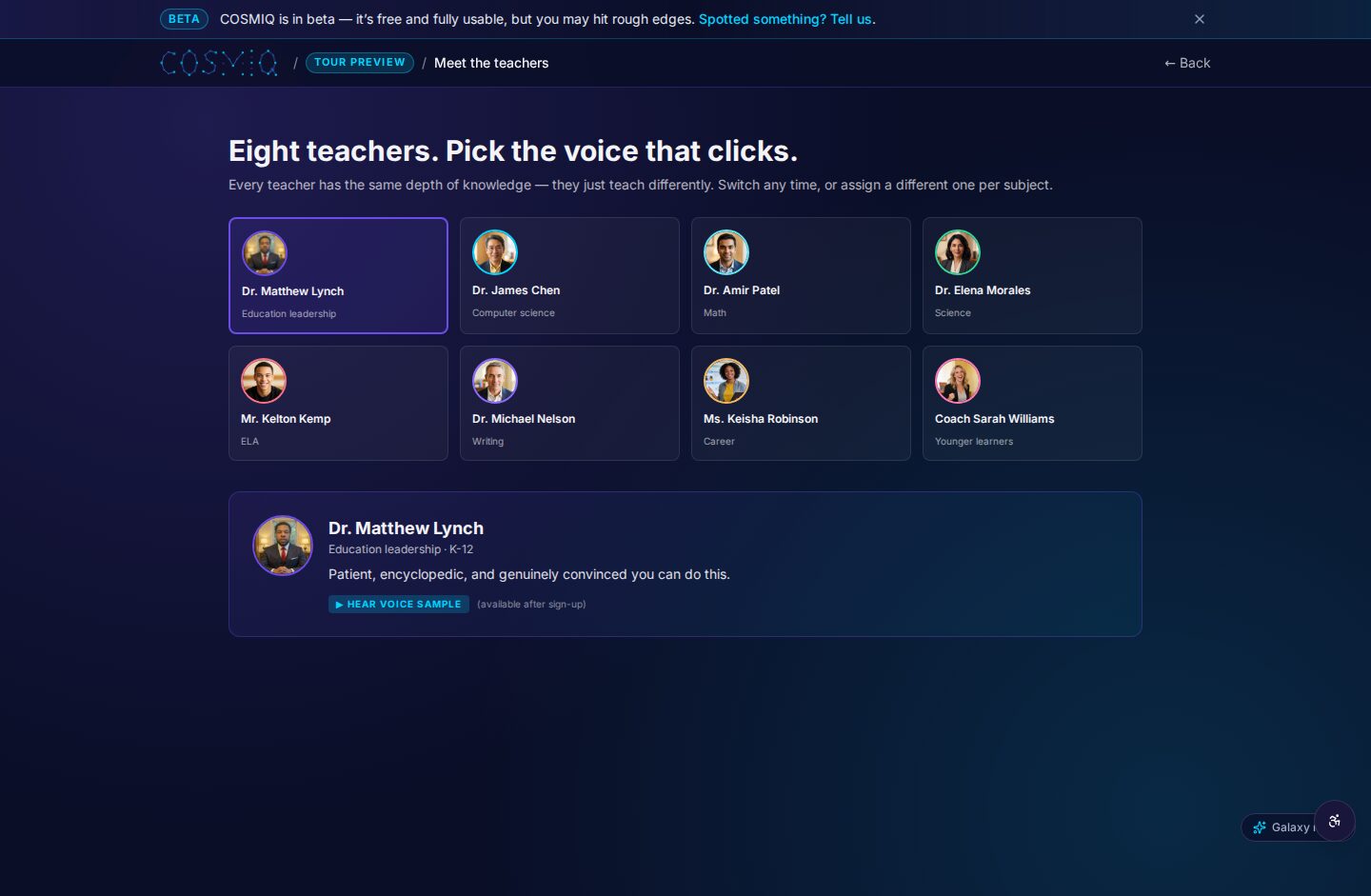
- For Students: Hupmapper could encourage students to focus on developing their unique voice and critical thinking skills, knowing that their original contributions will be specifically recognized. It shifts the emphasis from avoiding AI to using it responsibly as a tool while still demonstrating individual mastery. Tools like COSMIQ, a free voice-driven AI tutor, can also help students develop these skills by providing personalized, interactive support for understanding concepts and practicing problem-solving, fostering independent thought.
- For Parents: This development offers reassurance that assessments can evolve to accurately reflect their child's genuine learning and creativity in an era where AI is ubiquitous. It’s about ensuring that the educational system continues to value and cultivate the distinct intellectual capabilities of each learner.
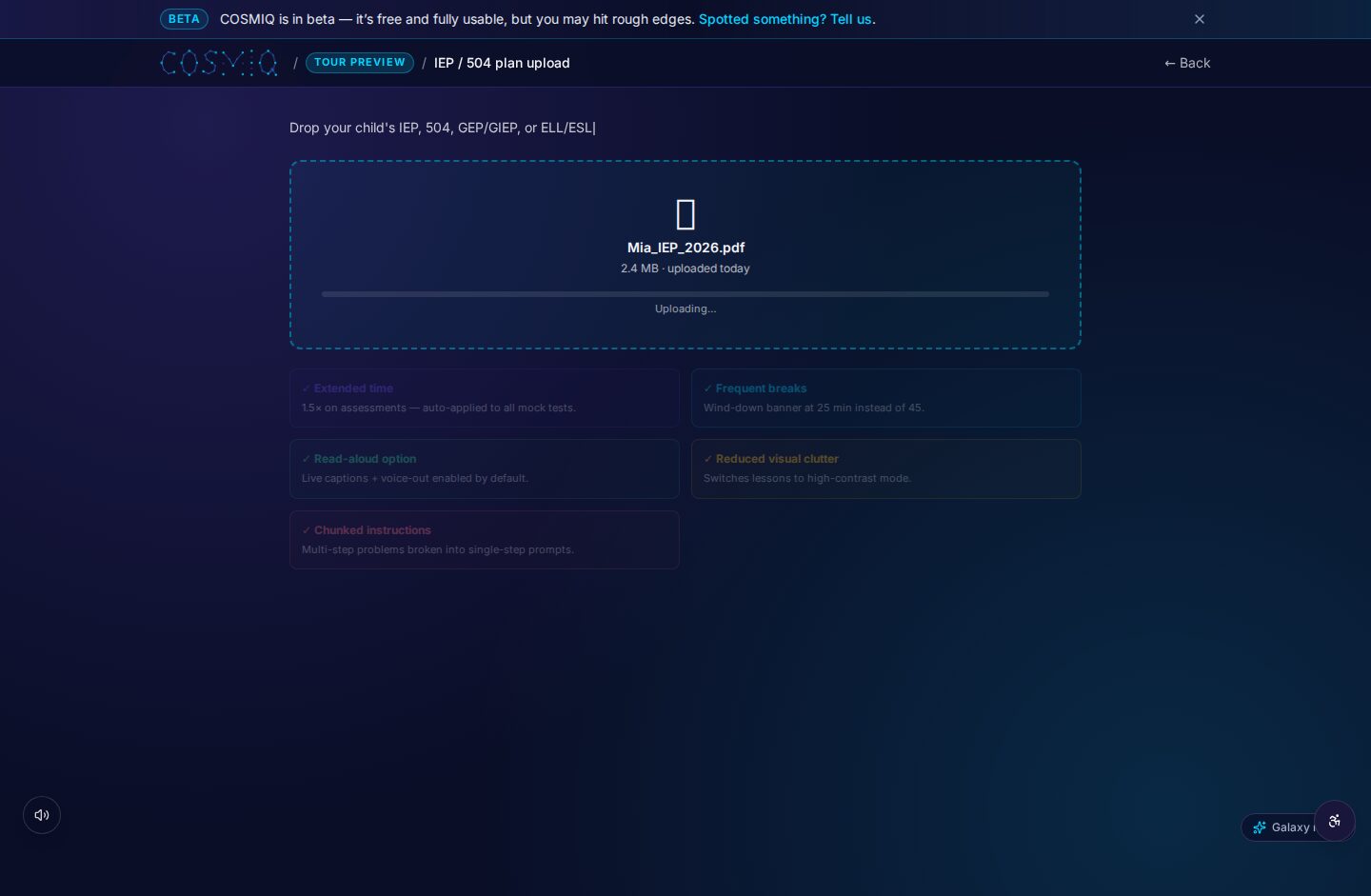
- For Teachers: Hupmapper provides a new lens through which to evaluate student work, offering insights into how well students synthesize information, form original arguments, and express unique ideas. This can inform teaching strategies, helping educators design assignments that explicitly foster and reward deeper, more original engagement. It also moves the focus from the potentially adversarial role of 'AI detector' to a more constructive one of 'originality facilitator.' Teachers might find this particularly useful in subjects requiring strong analytical or creative writing, such as essays or research papers. They can also leverage resources like COSMIQ's free practice hub to help students build foundational knowledge and critical thinking skills before tackling complex assignments.
Looking Ahead: Fostering Originality in 2026-2027 and Beyond
The introduction of Hupmapper by Hupside marks an important moment in the ongoing adaptation of education to the AI era. By offering a tool that measures original thinking rather than just AI presence, Hupside is contributing to a more nuanced and forward-thinking dialogue about academic integrity and student development. It highlights the importance of fostering creativity and critical analysis, skills that will remain paramount regardless of technological advancements.
As we move through the 2026-2027 school year and beyond, tools like Hupmapper could play a crucial role in shaping how educators understand, encourage, and assess the unique intellectual contributions of every student.
Learn anything, free.
COSMIQ is a free, voice-driven AI tutor for every learner. No credit card, ever.
Start learning free →