University of Houston–Downtown Initiative Aims to Bring 'Stopped-Out' Students Back to Finish Degrees

For many individuals, the journey through higher education can be complex, often interrupted by unforeseen life circumstances. Millions of Americans have accumulated college credits but, for various reasons, have not completed their degrees. Recognizing this significant challenge, the University of Houston–Downtown (UHD) has introduced a new two-year initiative, Bridge to Completion, aimed at re-engaging these 'stopped-out' students and providing them with the support needed to cross the finish line.
This initiative goes beyond simple re-enrollment, addressing the multifaceted issues that often lead students to leave college in the first place. It represents a comprehensive approach that could offer valuable insights for institutions nationwide looking to support adult learners and enhance educational attainment.
Understanding the 'Stopped-Out' Student Population
The term 'stopped-out' refers to students who have paused or discontinued their college education, often with a significant number of earned credits, but without obtaining a degree or credential. According to UHD, this population faces a unique set of challenges, which can include managing work, family responsibilities, and financial pressures alongside their academic pursuits. Jonathan Davis, interim senior vice president for academic affairs and provost at UHD, notes that while every student's story is unique, common themes often emerge, such as unpaid institutional balances, transportation issues, childcare costs, and unexpected expenses.
UHD's student body reflects a particular need for this type of support, with roughly 70 percent of its nearly 14,000 students identifying as first-generation. This figure is notably higher than the national average of 54 percent and the Texas average of 43.5 percent. For these students, who are often economically disadvantaged, family obligations and financial distress are frequently cited as reasons for stopping out. The Bridge to Completion initiative is designed to proactively address these underlying challenges, creating a more supportive environment for their return.
A Holistic Approach to Student Re-engagement
The Bridge to Completion initiative, backed by $975,000 in philanthropic support from the Greater Texas Foundation, the William Stamps Farish Fund, and the Alliance of Community Assistance Ministries, is built on several key pillars:

- Personalized Outreach and Advising: The program aims to create a centralized re-engagement hub for former students who have stopped out since 2018. Here, students will receive individualized outreach, degree mapping, academic advising, assistance with readmission and financial aid, and career guidance. This personalized approach is crucial for navigating the complexities of returning to college.
- Emergency Financial and Basic Needs Support: Recognizing that financial instability is a major barrier, the initiative provides direct financial assistance for students facing emergencies. Furthermore, through its partnership with the Alliance of Community Assistance Ministries, UHD will connect returning students with community-based aid for essential needs such as food, housing, and utilities. This is particularly vital given that recent analyses indicate a significant drop in students receiving emergency aid despite ongoing basic needs insecurity.
- Examination of Institutional Barriers: Beyond individual support, a critical component of the initiative involves examining and potentially changing institutional policies that might inadvertently create obstacles for working adults. This includes reviewing scheduling flexibility, prior-learning policies, and access to online and competency-based education options. As Davis points out, policies are rarely written to create barriers, but they can sometimes emerge and hinder student success.
By combining these elements, UHD hopes to not only bring students back but also to equip them with the resources and support systems necessary to persist and graduate.
Implications for Students, Families, and Educators
For students, the Bridge to Completion initiative offers a clear pathway back to their educational goals. It acknowledges that returning to college isn't just about academic readiness but also about life readiness. Families benefit when their members achieve higher education, often leading to improved economic circumstances and serving as powerful role models for future generations.
Educators and institutions nationwide can draw valuable lessons from UHD's comprehensive strategy. The emphasis on identifying and dismantling institutional barriers, alongside providing robust student support, highlights a forward-thinking approach to student success. Furthermore, documenting which strategies prove most effective for different student populations, as UHD plans to do, will contribute valuable data to the broader conversation about adult learner re-engagement.
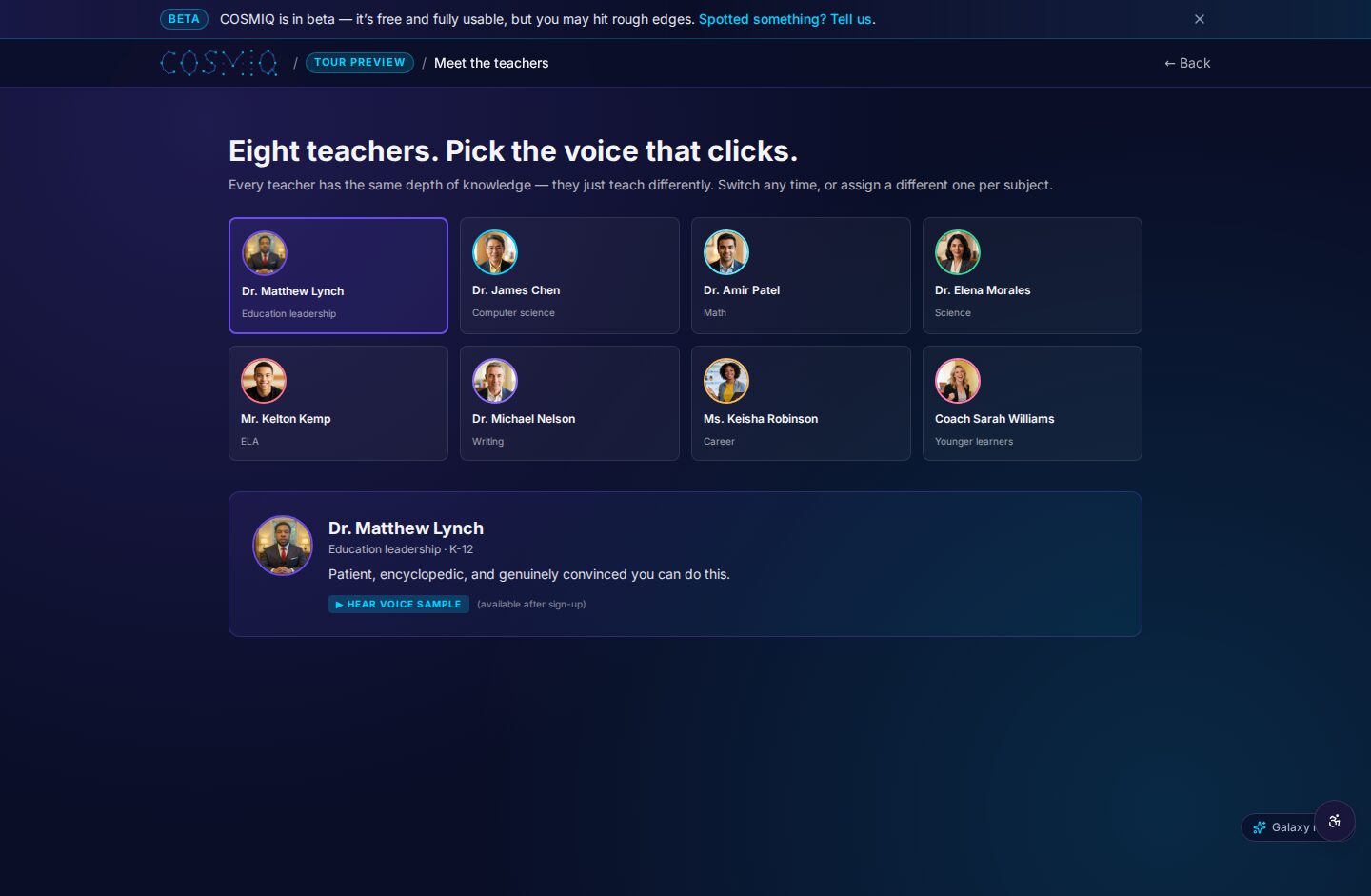
For students currently navigating their K-12 education or preparing for college, understanding the importance of persistent support can be empowering. Tools like COSMIQ, a free voice-driven AI tutor, offer accessible, personalized learning support for K-12 students, helping them build a strong academic foundation and confidence that can carry them through future educational endeavors. Students can also explore resources like the exam prep directory for various standardized tests, preparing them for the next steps in their academic journey.
Measuring Success Beyond Enrollment Numbers
While UHD expects to reach more than 2,000 former students, support approximately 600 through readmission, and help at least 500 re-enroll, the ultimate measure of success, according to Davis, extends beyond these initial markers. The true impact will be seen in whether returning students graduate, advance in their careers, and ultimately improve their families' economic circumstances. The university is targeting a persistence rate of approximately 70 percent among returning students, demonstrating a commitment to sustained success rather than just initial re-engagement.
The University of Houston–Downtown's Bridge to Completion initiative serves as a powerful example of how institutions can proactively address the complex needs of stopped-out students. By combining financial and basic needs support with personalized advising and a critical examination of institutional policies, UHD is not just bringing students back to college; it is helping them build a more secure future for themselves and their communities.
Learn anything, free.
COSMIQ is a free, voice-driven AI tutor for every learner. No credit card, ever.
Start learning free →