Understanding Social Withdrawal in Teen Boys: A Call for Closer Attention

When a teenager begins to pull away, spending more time alone and less with friends or family, it's natural for parents to wonder if it's just a phase. However, a recent announcement from Braveminds Academy, a residential mental health treatment center for adolescent boys, encourages a more discerning look at these behavioral shifts. The academy emphasizes that social withdrawal in teen boys can be a significant sign of underlying anxiety, depression, or other emotional challenges, urging parents and educators to pay closer attention.
This message is particularly vital because, as Braveminds Academy points out, emotional distress in adolescent boys may not always manifest in easily recognizable ways like overt sadness. Instead, it can appear as irritability, anger, a loss of motivation, or even physical complaints. Understanding these nuances can make a crucial difference in providing timely support.
Recognizing the Signs: Beyond "Just Being a Teenager"
Braveminds Academy, which offers mental health treatment for boys aged 11-17, highlights that while a desire for more privacy is a normal part of adolescence, a significant or persistent change in a teen's relationships, activities, school participation, or daily functioning warrants closer attention. According to the academy, parents might observe a teen boy who once enjoyed sports or family activities gradually retreating to his bedroom, ceasing communication, abandoning hobbies, struggling academically, or resisting school.
These changes, while sometimes mistaken for typical teenage behavior, can be red flags. Braveminds Academy suggests looking for warning signs such as:
- Spending increasing amounts of time alone
- Withdrawing from friends and family
- Losing interest in hobbies or sports previously enjoyed
- Declining grades or school refusal
- Increased irritability or anger
- Changes in sleep patterns or hygiene
- Unexplained physical complaints like headaches or stomachaches
It's important to remember, as Braveminds Academy clarifies, that no single behavior automatically indicates a mental health disorder. Instead, parents should consider the duration, severity, pattern, and the overall impact these changes have on their son's everyday functioning.
Depression and Anxiety: Different Faces in Boys
One of the challenges for families, as explained by Braveminds Academy, is that emotional distress in adolescent boys often presents differently than expected. For instance, a teen struggling with depression might exhibit irritability, anger, or a loss of motivation rather than overt sadness. Similarly, anxiety can manifest as avoidance behaviors, where teens experiencing social anxiety, bullying, academic pressure, or fear of failure might begin to avoid situations that cause them emotional discomfort.
Dr. Nate Upshaw of Braveminds Academy notes that by the time a parent is dealing with a child who won’t get out the door for school, it's often a sign of anxiety, depression, or a social problem that has developed over weeks or months. This insight emphasizes the importance of understanding the underlying causes of school avoidance rather than just focusing on the surface-level conflict.
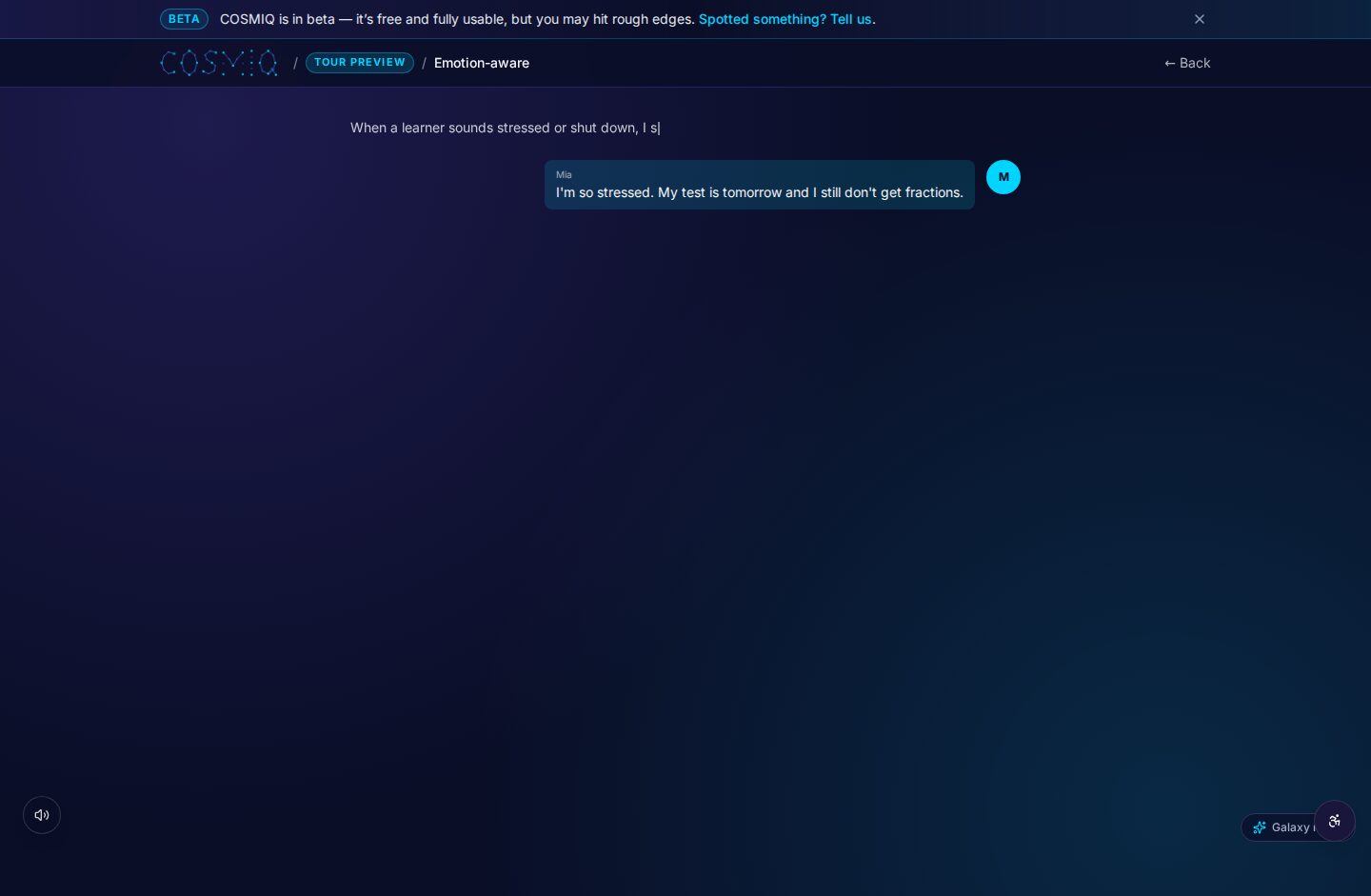
For students grappling with academic pressure or seeking to improve their understanding of subjects, free resources like COSMIQ, a voice-driven AI tutor, can offer personalized support. Students can explore the free practice hub to build confidence and address learning gaps that might contribute to school-related stress.
When to Seek Professional Help
Braveminds Academy strongly encourages parents to consider a professional mental health evaluation if social withdrawal persists, worsens, or significantly interferes with a teenager's ability to function socially, academically, or at home. Greater concern is warranted when isolation is accompanied by:
- Significant deterioration in hygiene or sleep
- Loss of interest in previously meaningful activities
- Major academic decline
- Expressions of hopelessness
- Self-harming behaviors
- Suicidal thoughts or statements
In situations involving an immediate safety concern or potential mental health emergency, families should seek emergency assistance without delay. Braveminds Academy stresses that earlier recognition provides families with the opportunity to open communication, ask questions, and seek an appropriate professional assessment when necessary. For some adolescents, outpatient therapy and family support may be sufficient, while others facing more persistent or significant challenges may require a higher level of care, such as the residential treatment provided by Braveminds Academy.

Braveminds Academy, a program licensed by the Florida Agency for Health Care Administration, is committed to providing high-quality residential treatment for adolescent boys aged 11-17 facing mental health and dual diagnosis challenges. Their intimate setting, with 16 beds, ensures personalized care, combining therapeutic services and academic integration. The organization emphasizes family involvement, offering mandatory weekly therapy sessions and daily progress updates, fostering a non-punitive, nurturing environment for healing.
A Path Forward for Families
The core message from Braveminds Academy is clear: while not every quiet teenager is struggling with a mental health condition, meaningful behavioral changes should not be automatically dismissed. By understanding the potential links between social withdrawal and underlying issues like anxiety and depression, parents and caregivers can be better equipped to support their teen boys. This proactive approach can help ensure that young men receive the care and understanding they need to navigate their emotional landscapes and thrive.
For more information on supporting students' academic journeys, including free tools that can help reduce stress, explore resources like COSMIQ's free voice AI tutoring, which is available for every K-12 student.
Learn anything, free.
COSMIQ is a free, voice-driven AI tutor for every learner. No credit card, ever.
Start learning free →