7 Sites Like Khan Academy (and the One That Adds a Voice Tutor)

Khan Academy has been a go-to resource for learners around the globe. With its vast library of lessons and exercises, it’s become synonymous with free online education. But what if you’re looking for a different vibe or a specific feature that Khan Academy lacks? Maybe you want a platform where you can get personalized help, or you might prefer a different teaching style altogether. Here are seven great alternatives, including one that adds a unique voice tutor feature that could transform your learning experience.
1. Coursera: University-Level Courses at Your Fingertips
If you're seeking a more structured approach to online learning, Coursera could be your best bet. You’ll find courses from top universities around the world, covering everything from data science to creative writing. Each course typically includes video lectures, reading materials, and quizzes. What sets Coursera apart is its focus on higher education. You can earn certificates and even degrees, which can be a significant boost to your resume. Plus, many courses offer free access to materials, allowing you to learn without committing financially.
However, keep in mind that while some courses are free, access to graded assignments and certificates usually requires payment. But if you're serious about learning a new skill or deepening your knowledge in a specific field, this investment can be worthwhile. For instance, the Google Data Analytics Certificate can be completed in about six months and has been known to lead directly to job placements in this booming industry.
Not only does Coursera provide a structured learning path, but it also offers a range of formats such as guided projects, specializations, and professional certificates. Guided projects allow you to build skills in a hands-on manner. Have you ever wanted to work on a real-world project while learning? This feature lets you do just that, making it an appealing option for those who thrive on practical application.
2. edX: Another University Powerhouse
Similar to Coursera, edX partners with prestigious universities to offer a wide range of courses. You can dive into subjects like computer science, humanities, or even engineering. edX also offers MicroMasters programs, which can be a stepping stone to a full master’s degree. One of the cool things about edX is the ability to audit most courses for free. This means you can access the vast majority of the course content without spending a dime, making it a solid Khan Academy alternative for self-learners.
But be prepared for a more rigorous academic experience. If you’re looking for a casual learning environment, you might find edX's structure a bit intimidating. For example, the MITx MicroMasters in Statistics and Data Science is a comprehensive series of graduate-level courses that require a commitment and a serious investment of time.
What makes edX stand out is its commitment to maintaining high standards. Courses are developed by university professors who are often experts in their fields. This means you’re not just getting access to any old online course—you’re learning from some of the best minds out there. If you’re looking to deepen your understanding rigorously, edX could be the right choice.
3. Duolingo: For Language Learners
If your goal is to learn a new language, Duolingo is unbeatable. With its engaging interface and game-like feel, it makes language learning fun and accessible. You can choose from dozens of languages, and the platform uses spaced repetition to help you retain what you learn. Unlike Khan Academy, which focuses primarily on academic subjects, Duolingo hones in on conversational skills. You’ll practice speaking, listening, reading, and writing through interactive exercises that adapt to your skill level.
This app is particularly effective for beginners. Plus, you can use it for free, although a premium version is available that removes ads and offers additional features. If you’re looking for a bite-sized way to integrate language learning into your daily routine, Duolingo is hard to beat. Imagine completing a few lessons while waiting for your coffee—it’s that convenient! On top of that, Duolingo offers a unique feature called Duolingo Stories, which allows you to practice your reading and comprehension skills through engaging narratives. This adds another layer of learning that you won’t find in many other resources.
4. Udacity: For Tech-Savvy Learners
Udacity takes a slightly different approach by focusing on tech skills and careers. If you’re interested in coding, data analysis, or artificial intelligence, this is the platform for you. Udacity’s 'Nanodegree' programs are designed in collaboration with industry leaders like Google and Amazon. They offer in-depth training in specific areas that can lead to job opportunities.
While it’s not a free Khan Academy alternative—most programs come with a hefty price tag—the investment can pay off significantly. Many learners find that completing a Nanodegree leads directly to job offers. For example, those who have finished the Data Engineer Nanodegree report a high rate of job placement within months of completion.
Udacity’s unique selling point is its focus on real-world projects. You don’t just learn theory; you apply it immediately. The projects are often reviewed by industry professionals, providing valuable feedback that can help you refine your skills. This practical approach can set you apart in the job market, making it a compelling option if you’re serious about a tech career.
5. Alison: Free Courses for Everyone
Alison stands out as a free Khan Academy alternative by offering a broad selection of courses across various disciplines, including business, health, and technology. The platform provides a straightforward user experience where you can browse, enroll, and start learning immediately. What’s unique about Alison is that it's geared toward adult learners who want to upskill or reskill without monetary barriers. You’ll find courses that lead to diplomas and certificates, which can be beneficial for career progression.
While the quality can vary since courses are user-generated, many users have found valuable learning experiences here. If you’re looking for accessible education without the financial commitment, Alison is a solid choice. For example, the Diploma in Project Management can equip you with essential skills that employers are actively looking for.
One of the best things about Alison is its community aspect. You can connect with other learners, share insights, and even ask questions. This collaborative environment can enhance your learning experience, making it feel less isolating than some other platforms.
6. Skillshare: Learn from Experts
Skillshare is about creativity and practical skills. Whether you want to learn graphic design, photography, or marketing, you’ll find thousands of classes taught by industry professionals. Unlike Khan Academy, which focuses on academic subjects, Skillshare emphasizes hands-on learning through project-based lessons. You’ll get to create real projects as you learn, making it perfect for those who thrive on practical application. Plus, the community aspect is strong; you can share your work and get feedback from peers.
However, Skillshare operates on a subscription model, meaning that while you can access a ton of content, you will need to pay for a membership. If you’re serious about honing a creative skill, this could be a worthwhile investment. Consider the fact that a single class in photography could help you land a freelance gig, thus justifying the cost.
One of the standout features of Skillshare is its ability to foster a sense of community. You can share your projects, get constructive feedback, and even collaborate with fellow learners. The platform encourages interaction, making learning feel less like a solo journey and more like a collective experience.
7. Voice Tutor: A Unique Learning Experience
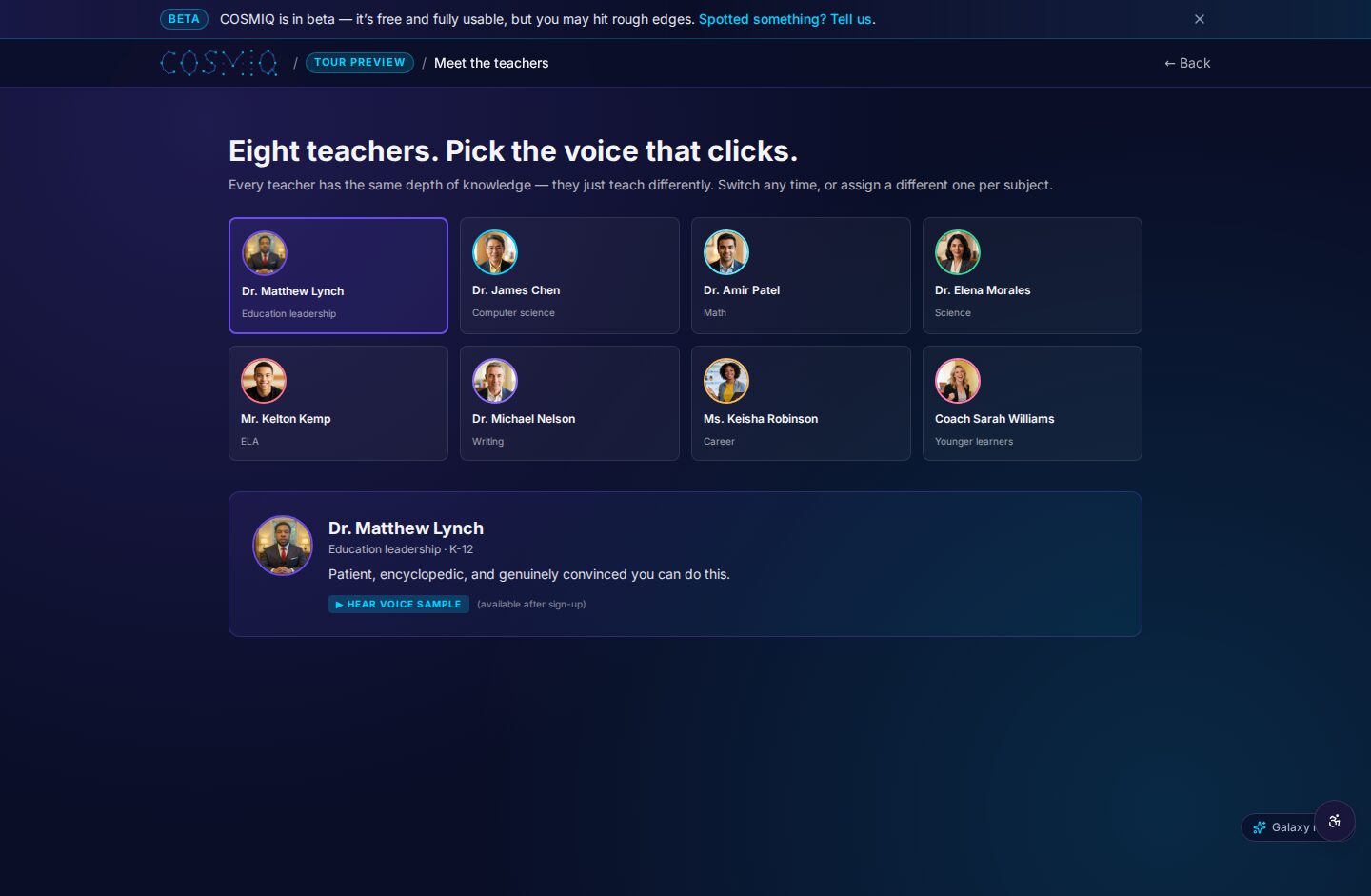
Now, let’s talk about a site that takes a different approach: Voice Tutor. This platform adds a dynamic layer to learning by incorporating voice interaction. With Voice Tutor, you can engage in real-time conversations, ask questions, and get immediate feedback—something Khan Academy doesn’t offer. Imagine practicing a language or understanding complex concepts while actually talking to a tutor through your device. It’s like having a personal teacher right in your pocket. The platform uses AI to understand your questions and respond accordingly, making the learning process feel more interactive and engaging.
Although it’s still relatively new, many users have reported that this voice interaction significantly enhances their learning experience. If you’re the type of learner who benefits from dialogue and interaction, exploring Voice Tutor could be a game-changer. For example, if you’re learning Spanish, you can practice speaking with an AI that corrects your pronunciation in real-time.
As more and more people turn to technology for learning, platforms like Voice Tutor are paving the way for a new learning paradigm. They break down barriers and make education more accessible. So, if you want to feel less isolated in your studies and more engaged, give this innovative tool a try.
Choosing the Right Platform for You
With so many options available, it can feel overwhelming to choose the right one for your learning style and goals. The platforms mentioned here all have unique strengths. If you prefer structured learning with a potential for accreditation, Coursera or edX might be the way to go. For practical skills, Skillshare shines. If you're focused on language acquisition, Duolingo is hard to top. The key is to identify your learning objectives. Do you want to upskill for a job? Are you a hobbyist looking to learn something new? Or maybe you’re a student trying to supplement your education? Each platform serves different needs, so spend some time exploring them before settling in.
Remember, online learning is flexible. You can mix and match resources from different sites to create a personalized learning experience. That’s the beauty of the internet—there's an abundance of knowledge at your fingertips. So why not leverage that to your advantage? Take a course on Coursera to boost your resume, then pick up a practical skill on Skillshare. This flexibility can enrich your learning journey.
New Trends in Online Learning
The landscape of online education is rapidly evolving. More platforms are incorporating features that make learning not just easier but also more enjoyable. One trend that’s gaining traction is gamification. Platforms like Duolingo have excelled in this area, turning language learning into a game where you earn points and rewards. Such features encourage persistence and make the learning process feel less chore-like.
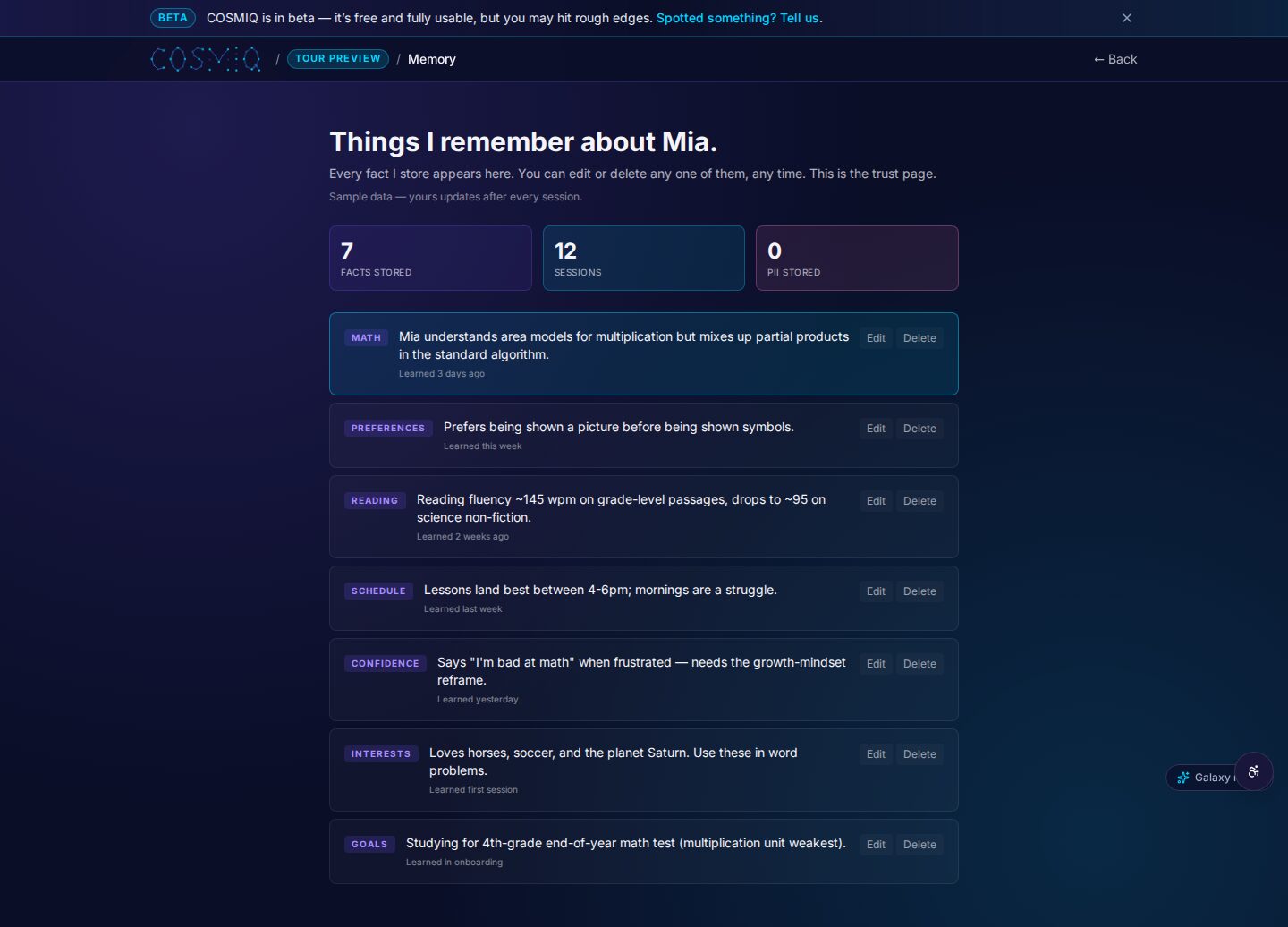
Furthermore, the rise of artificial intelligence in platforms like Voice Tutor is revolutionizing how we learn. Tailored experiences that adapt to your learning speed and style are becoming increasingly common. Imagine a learning environment where the curriculum adjusts in real-time based on your performance. This is not just a futuristic idea; it’s happening now.
In addition, many platforms are beginning to emphasize social learning. Community features that allow learners to interact, collaborate, and support each other are becoming more prevalent. This not only enhances the learning experience but also provides a sense of belonging.
How to Maximize Online Learning
To truly benefit from these online platforms, it’s crucial to adopt effective learning strategies. First, set clear, achievable goals. Are you aiming to complete a specific course within a month? Or maybe you just want to learn a new skill by the end of the year? Having a clear objective will keep you motivated.
Second, create a dedicated study space. This doesn’t have to be a fancy home office; it can be a simple corner of your living room. The idea is to minimize distractions and signal to your brain that it’s time to focus. Consider using tools like the Pomodoro Technique, where you study for 25 minutes and take a 5-minute break. This method helps maintain focus and prevents burnout.
Finally, interact with the content. Don’t just passively consume videos or reading materials; take notes, ask questions, and engage in discussions. Some platforms offer forums or community boards—take advantage of these! Engaging with other learners can provide new insights and deepen your understanding.
Final Thoughts on Learning Online
The world of online education is rich and varied. While Khan Academy remains a trusted resource, plenty of other sites offer unique features and approaches to learning. By exploring these alternatives, you can find the platform that best suits your style and needs. From interactive voice tutoring to courses from top universities, the options are out there. So why wait? Dive into the world of online learning and discover what you can achieve!
Related resources: Khan Academy alternative · sites like Khan Academy · sites like Khan Academy
Learn anything, free.
COSMIQ is a free, voice-driven AI tutor for every learner. No credit card, ever.
Start learning free →