AI and Genetics: A New Lens for Understanding Personality and Individual Needs

Imagine a future where understanding a student's unique learning style or emotional needs could be informed by a deeper, more personalized insight into their very biology. While still in its early stages, the intersection of artificial intelligence and genetic analysis is beginning to hint at such possibilities, offering a fascinating new lens through which to view human individuality.
A recent meta-analysis, involving over a million individuals, has shed new light on the complex relationship between genetics and personality. This extensive research identified more than 1,000 genetic variants associated with the “Big Five” personality traits: extraversion, agreeableness, conscientiousness, neuroticism, and openness. While it's crucial to remember that environment, upbringing, and lived experience remain profoundly influential, these findings, as highlighted by Bystro AI, suggest a fascinating new frontier for AI's role in understanding human health and well-being.
AI's Role in Decoding Complex Genetic Signals
According to Alex Kotlar, Ph.D., CEO and co-founder of Boston-based Bystro AI, this discovery of over a thousand personality-associated genetic variants is precisely the kind of intricate data set that AI is uniquely suited to help humans interpret. Traditional methods often struggle with the sheer volume and complexity of genomic information. AI, however, can process these vast datasets, identifying patterns and correlations that might otherwise remain hidden.
Bystro AI's mission, as described by Dr. Kotlar, is to democratize genomic analysis. They aim to make sophisticated genetic interpretation accessible to a broader range of researchers by building an AI interface that allows for natural language queries, removing the need for years of specialized computational training. This approach could significantly accelerate discoveries in the field.
Genetics: Probability, Not Destiny
It's important to underscore that genetic findings are about probabilities, not predetermined outcomes. As Dr. Kotlar emphasizes, there isn't a single 'neuroticism gene' that dictates personality. Instead, genetics contribute to predispositions, which then interact with a myriad of environmental and experiential factors to shape who we become. AI tools, in this context, are being developed to account for these variables, including ancestry and environment, to provide a more nuanced understanding.

For parents and educators, this distinction is vital. Understanding a potential genetic predisposition, if such information were ever to become widely available and ethically managed, would not be about labeling a child. Instead, it could potentially offer insights into how best to support them, perhaps by identifying environments or interventions that might be particularly beneficial for their unique profile.
The Mental Health Opportunity: Personalizing Support
One of the most compelling aspects of this research lies in its potential implications for mental health. Bystro AI suggests that combining genetic insights with other clinical information could someday help researchers better understand why conditions like anxiety, depression, or ADHD manifest so differently from person to person. This deeper understanding could pave the way for more personalized interventions and support strategies.
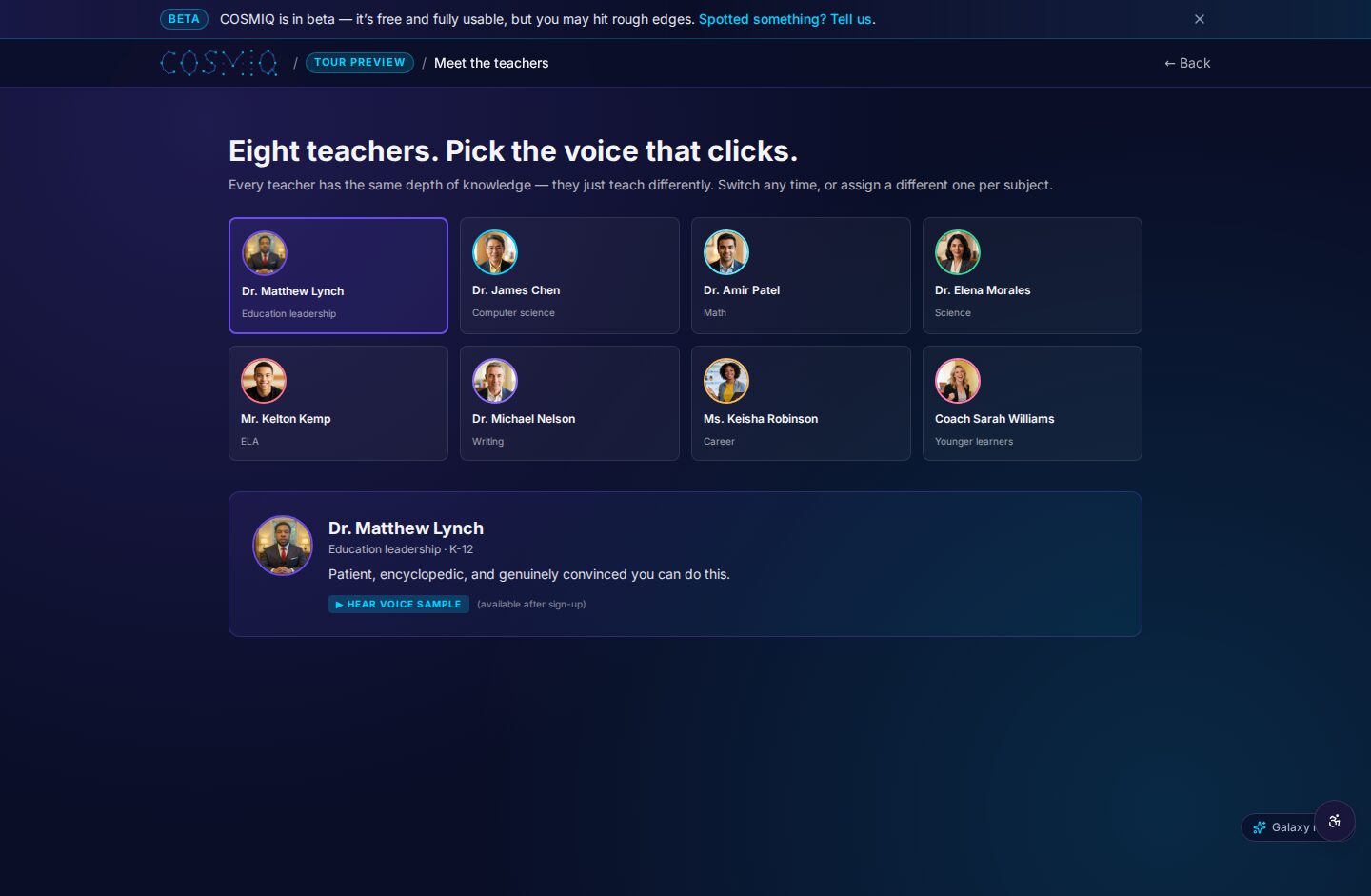
Imagine a scenario where, through a comprehensive understanding of a student's profile—including genetic predispositions, environmental factors, and individual experiences—educators and mental health professionals could tailor support more effectively. This could lead to more targeted academic strategies, emotional regulation techniques, or even recommendations for particular learning environments that foster success and well-being. For students navigating complex subjects or preparing for exams, understanding their unique learning strengths and challenges is invaluable. Tools like COSMIQ, a free voice-driven AI tutor, already provide personalized, on-demand learning support, adapting to individual student needs and helping to build confidence across all K-12 subjects and exam preparation.
From Diagnosis to Personalized Interventions
The ultimate goal, according to Bystro AI, is to move beyond mere diagnosis to highly personalized interventions. By integrating genetic and AI insights, researchers hope to determine which specific environments, therapeutic approaches, or educational strategies are most likely to benefit particular individuals. This shift could transform how we approach learning, development, and support systems.
Consider how this might impact education. If a student shows a particular genetic predisposition that, when combined with other factors, suggests they thrive in highly structured environments, or conversely, excel with more open-ended, creative tasks, educators could potentially adapt their teaching methods. Similarly, understanding individual responses to stress or different types of feedback could help teachers create more supportive and effective classroom dynamics. For those preparing for significant academic milestones, exploring resources like COSMIQ's exam prep directory can offer tailored practice and guidance, complementing any personalized insights that future research might provide.
Navigating the Ethical Landscape
As with any powerful new technology, the ethical considerations are paramount. Bystro AI acknowledges the crucial difference between using genetic information to help individuals understand themselves better and using it for labeling, ranking, or discrimination. The emphasis is on empowerment and support, ensuring that these advancements serve to enhance human potential responsibly and equitably.
For parents and teachers, this ethical framework means that any future applications in education or personal development would need robust safeguards to protect privacy, prevent misuse, and ensure that all individuals are treated with respect and dignity, regardless of their genetic profile. The conversation around ethical AI and genetic research will undoubtedly continue to evolve as the science progresses.
A Future of Deeper Understanding
The work of organizations like Bystro AI represents a significant step towards a future where AI and genetics converge to offer a more profound understanding of human individuality. While the science is still developing, the potential to personalize education, mental health support, and overall well-being based on a richer, more integrated view of each person is a truly exciting prospect. It suggests a future where AI helps us not only understand what can go wrong but also celebrates and supports the remarkable differences that make each human being unique.
Learn anything, free.
COSMIQ is a free, voice-driven AI tutor for every learner. No credit card, ever.
Start learning free →